Capital’s public toilet crisis remains unresolved
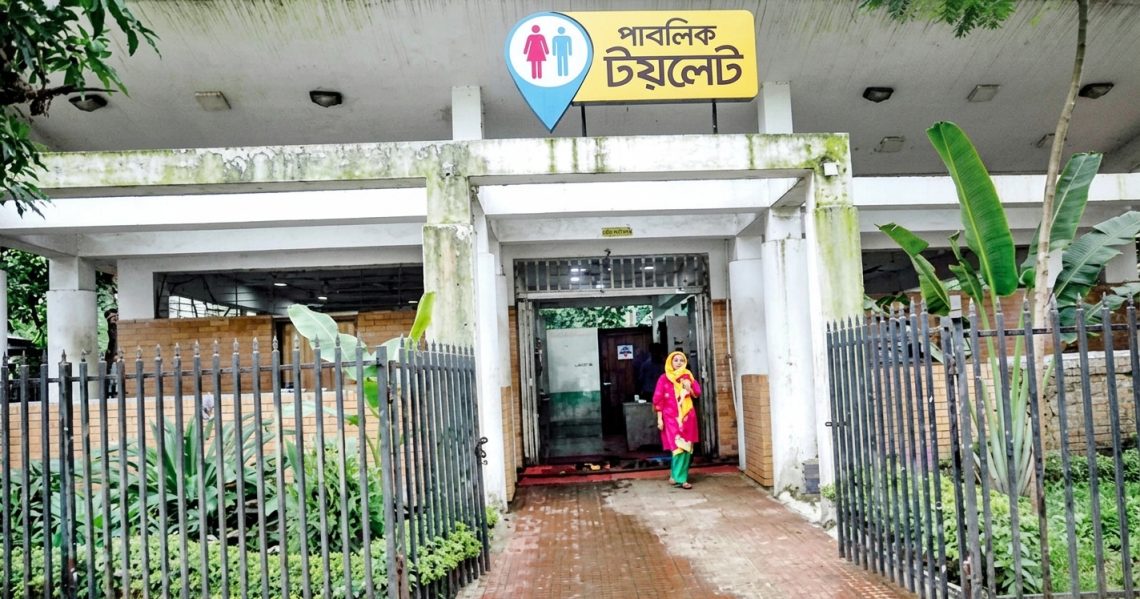
Days go by, months go by, and years pass. Governments change, and the people who run the city administration change too. Many structures rise in the capital, Dhaka. But one very basic daily need of city people is ignored, and that is safe and clean toilets. Many people in the capital face an embarrassing situation whenever they leave home for a few hours. In some places there is no public toilet. In other places a toilet exists but it is closed, dirty or unfit for use.
Project Director of the Department of Public Health Engineering (DPHE), Mr. Md. Golam Moktadir, said Bangladesh has made notable progress in sanitation. But he said reaching the Sustainable Development Goals (SDGs) is still a big challenge. He said about 109 million people in the country are still without safe sanitation.
Lakhs of people move every day on the roads, footpaths, markets, bus stands, railway stations, hospitals, schools and business areas of the capital. They include office workers, laborers, day laborers, rickshaw pullers, bus drivers, hawkers, students, patients’ relatives, passersby and tourists. These people stay outside for long hours, but they have no toilet facility. Women suffer most from this problem. Women need toilets more than men, and they need more safety, privacy and cleanliness. But in many areas of the capital there is no separate, safe and clean toilet for women.
In some places a toilet for women exists, but it is dirty and has little water. Some have broken door latches or no one to look after them. So working women, students, domestic workers, garment workers, small traders and women who come for treatment face trouble every day.
People move on the roads of Dhaka from morning to night. Some go to the office, some return from work, some take children to school and some come to hospital for treatment. Others roam the streets from morning to night to earn a living. Many spend a large part of the day outside. When they suddenly need a toilet, they start to worry about where to go. They often depend on toilets in mosques, hospitals, markets and various institutions.
Low income people are the most helpless. Rickshaw pullers, van drivers and small footpath traders must pay money each time they use a toilet. Many have no choice and relieve themselves beside the road, behind trees or in dirty places. The two city corporations of Dhaka have 212 working toilets. The 2025 United Nations urbanization data puts Dhaka’s population at 36.6 million. By this count, there is one public toilet for every 172,641 people.
Bus terminals also have a shortage of public toilets and poor management. Thousands of people come to Dhaka every day from different districts. After a long journey to the bus terminal, one of their first needs is a toilet. But passengers suffer greatly when there are not enough clean toilets.
Rickshaw puller Mr. Khairul said he drives a rickshaw on different roads in Dhaka every day. He said rickshaw pullers have no toilet at all. He said they stay on the road from morning to night. They carry passengers from one area to another and get stuck in traffic jams for hours. He said they are in trouble because they have no toilet to use.
Chief Waste Management Officer of the Dhaka North City Corporation (DNCC), Captain Mr. Ikhtiar Uddin Ahmed Chowdhury, said the city needs more toilets that are safe, clean and fit for everyone. He said this is needed to ensure better sanitation for all.
Administrator of the Dhaka South City Corporation, Freedom Fighter Mr. Abdus Salam, said the authorities are finding places to build new toilets. He said they are also taking steps to tighten supervision of cleaning, repair and maintenance work.