Record Number of Tanker Attacks in the Strait of Hormuz
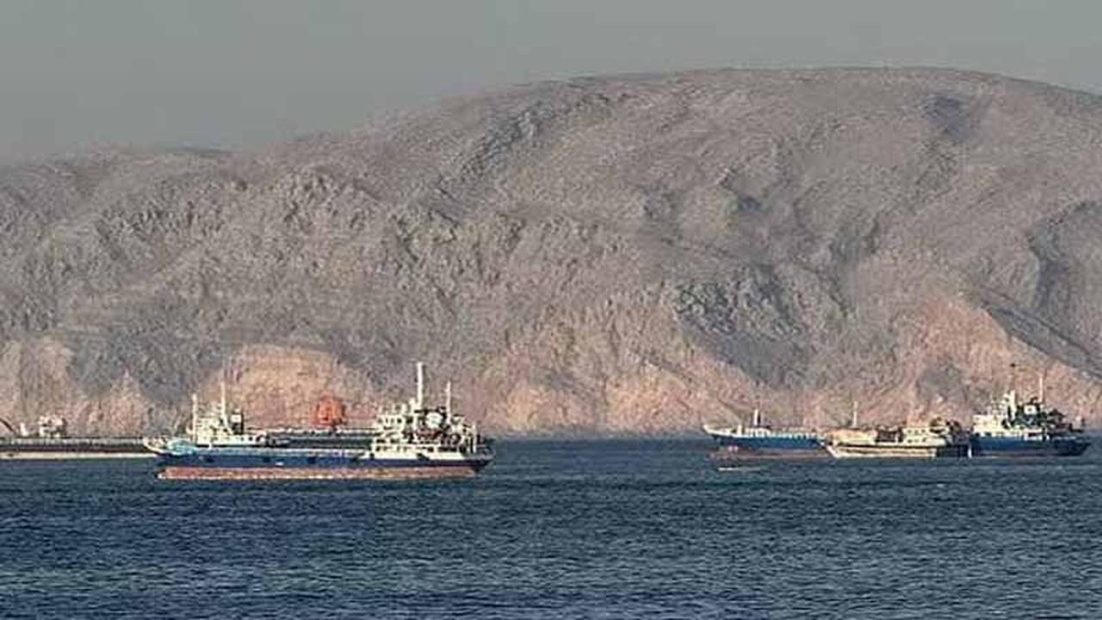
The number of attacks on ships in and around the strategically important Strait of Hormuz has reached its highest level since the war around Iran began. The number of attacks in October and November has been higher than in any previous month. A number of oil tankers have come under attack, raising concerns about global fuel supplies and maritime security.
According to a 21 November report by the US-based ABC News, data from the United Kingdom Maritime Trade Operations (UKMTO) showed that 31 attacks took place in and around the Strait of Hormuz in October. About 19 more attacks were reported up to November 18.
The report said that UKMTO recorded 53 incidents in the area from March to September after the war began. During that period, an average of 10 to 15 incidents were reported each month in the Strait of Hormuz and nearby Gulf areas. The recent rise in attacks has made the situation more worrying.
The number of attacks has also increased according to the International Maritime Organization (IMO), a United Nations agency. According to its data, 34 attacks were confirmed in and around the Strait of Hormuz during October and November. Since the war began, the agency has recorded a total of 138 attacks on ships across the Middle East.
An analysis of UKMTO data showed that most of the tankers under attack were targeted while sailing in the southern part of the Strait of Hormuz, near the coast of Oman.
A large amount of crude oil and fuel is transported through this waterway. As a result, any worsening of security in the area could affect the global energy market.
Meanwhile, the UK Joint Maritime Information Centre (JMIC) classified the security risk in the Strait of Hormuz as “severe” in its 19 November report.
The centre said that four attacks took place in the Strait between November 15 and 18. There had been no confirmed reports of attacks during the previous 96 hours. It also warned that further attacks could take place.
Analysts told ABC News that the increase in attacks may be part of an effort to make it difficult for the United States to keep oil and fuel shipments moving.
They said such attacks could increase the cost and risks of shipping. They could also make the global fuel supply system more uncertain.
The Strait of Hormuz is one of the world’s most important routes for transporting energy. If tensions continue in the area, the effects could be felt not only in the Middle East but also across the global economy.
In particular, any disruption to oil transportation could put new pressure on global fuel prices and supplies.