
Electric Rickshaws could ease Dhaka’s traffic woes
Eklas Haque
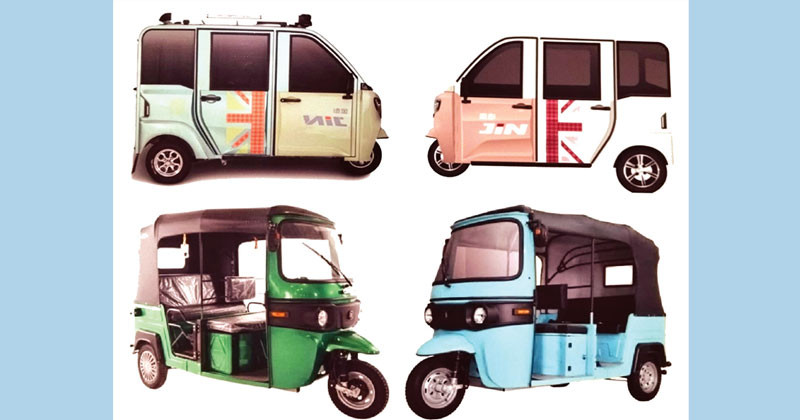
Electric auto-rickshaws could help bring discipline to Dhaka’s chaotic public transport system, according to transport experts. They say modern lithium-ion battery-powered electric three-wheelers could provide a safe, environment-friendly and regulated last-mile transport network connecting metro stations, bus terminals and residential areas with passengers’ final destinations.
Although major projects such as the metro rail and expressways have improved connectivity, millions still depend on small vehicles for the final leg of their journeys. The widespread use of unregistered battery-powered rickshaws, however, has contributed to traffic congestion and disorder. Many lack BRTA registration, fitness certificates, technical safety checks and passenger insurance. Experts argue that the problem is not the existence of three-wheelers but the absence of effective regulation and oversight. Repeated drives against illegal battery rickshaws have failed to provide a lasting solution.
Most existing battery rickshaws use lead-acid batteries, which are heavy, less efficient and can pose environmental and health risks if improperly disposed of. Researchers have also raised concerns about lead and acid contamination from informal battery recycling. BRTA-approved electric three-wheelers, alongside mandatory registration, regular fitness tests, driver training, passenger insurance and monitoring, could improve road safety.