Coastal Residents Flee Homesteads for Cities
Ab Hena Mukti
Natural disasters, river erosion, severe salinity and an acute employment crisis are forcing coastal residents to leave agriculture and traditional occupations and seek shelter in slums in Khulna, Dhaka and other major cities.
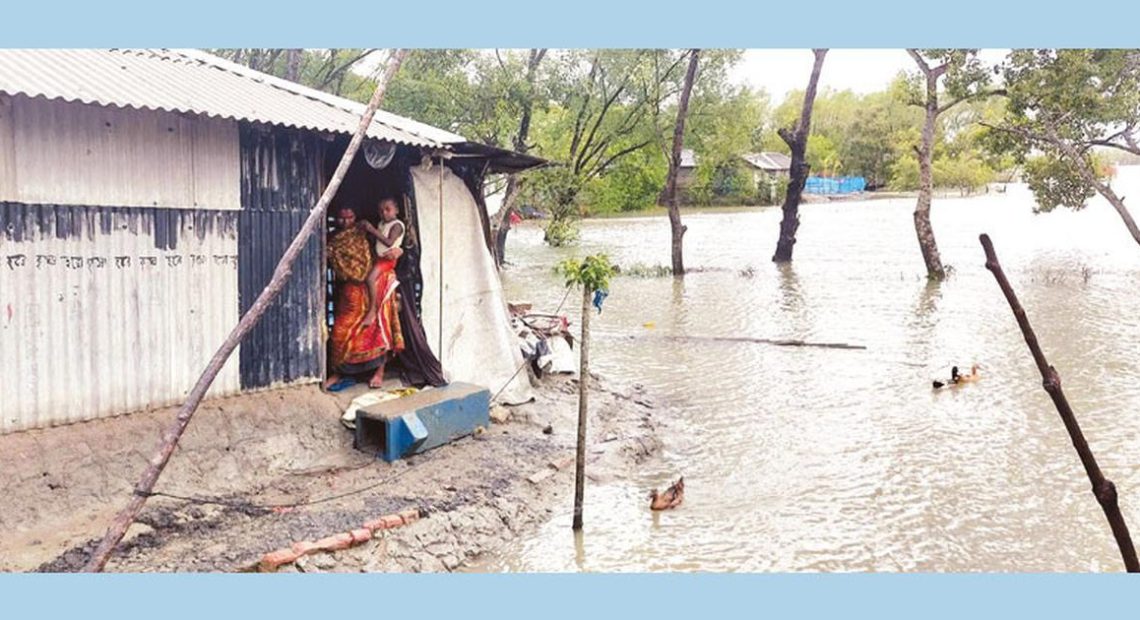
People in the coastal areas of southwestern Bangladesh are increasingly being forced to leave their ancestral homes due to natural disasters, river erosion, severe salinity and a serious shortage of employment. Thousands of families have lost their agricultural land and traditional livelihoods due to the adverse impacts of climate change and are taking shelter in slums in Khulna, Dhaka and other major cities.
According to a survey, at least 30,000 families have left the coastal areas of Khulna, Satkhira and Bagerhat and taken shelter in slums over the past 10 years. Frequent cyclones, tidal surges and the lack of sustainable embankments are destroying homes and croplands. Rising salinity in soil and groundwater has made traditional farming impossible in many areas. With no safe drinking water available for miles, many people are being forced to leave their homes. As dependence on agriculture and the Sundarbans declines, employment opportunities are also shrinking.
However, the lives of these climate-displaced people do not improve significantly after moving to cities. They face a lack of safe housing, sanitation and healthcare, while many survive on low-paid work without adequate social protection. Experts say sustainable embankments, safe drinking water and alternative local employment opportunities are urgently needed to help them remain in their communities.
Around three crore people in 19 coastal districts of Bangladesh are suffering from a severe shortage of safe drinking water. Climate change, rising sea levels and increasing salinity in rivers and groundwater have damaged water sources, forcing many people to leave their homes. Irregular rainfall and declining groundwater levels have also increased the hardship of women, who often have to travel long distances to collect water. The lack of safe drinking water is contributing to the spread of waterborne diseases.
Over the past decade, cyclones including Sidr, Aila, Bulbul, Yaas and Amphan have severely affected large parts of the southwestern region. River erosion and salinity have destroyed numerous homesteads across the coastal areas of Khulna, Satkhira and Bagerhat. Agricultural land has become uncultivable, while opportunities for fish farming and livestock rearing have declined.
A large number of climate-displaced people now live in more than 100 slums in Khulna city. Some work as day labourers, rickshaw pullers or domestic workers, while others run small businesses. Many are excluded from government social safety-net programmes because they do not have permanent city identification documents. Unhealthy living conditions, uncertain incomes and a lack of basic civic facilities have made their lives more vulnerable.
According to organisations working with displaced people, around 70 percent of the residents of Khulna’s slums are climate migrants from the southwestern coastal region. At least 30,000 families from the coastal areas of Khulna, Satkhira and Bagerhat have moved to these slums in the past decade. Coastal residents say high salinity in river water has severely affected rice and other crop production. Although fish enclosures have increased, they provide employment for only a small number of people. Many depend on collecting shrimp fry, catching fish and crabs, often spending the entire day waist-deep in water.
Albino Nath, regional director of CARITAS Khulna, said the number of climate-displaced people is increasing every year. He said they were losing not only their homes but also access to basic rights such as education, healthcare, employment and social security. He again said the issue should be brought under state planning and legal protection rather than being limited to humanitarian assistance. He also stressed the need to create sustainable livelihood opportunities in coastal areas.