India Tied to Hasina’s Historic Massacres
17 Killings Await Trial
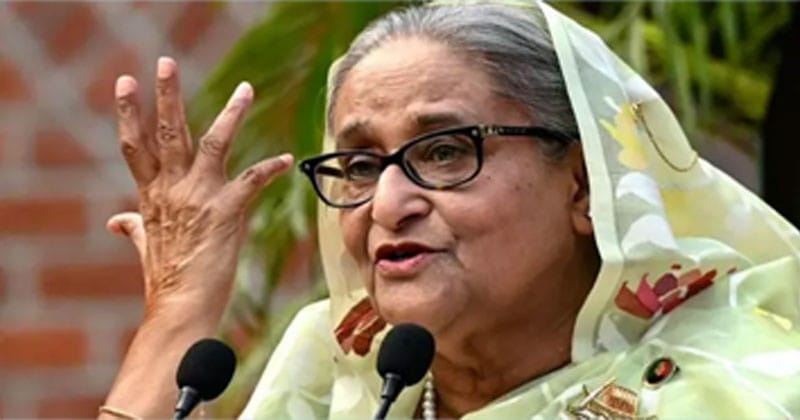
Public scrutiny of India’s alleged historical involvement in Bangladesh’s internal affairs, particularly during the fall of former Prime Minister Sheikh Hasina, has been reactivated by recent high-profile visits and intense diplomatic activity surrounding Indian intelligence and diplomatic officials. To satisfy New Delhi, critics and investigators claim that Hasina’s administration regularly repressed domestic criticism and weakened national defence, resulting in severe human rights abuses and widespread casualties over the course of the last fifteen years.
The BDR Pilkhana rebellion in February 2009, which claimed the deaths of 57 army officers, is a key turning point in this story. The Hasina regime was accused in a national independent inquiry commission report published in late 2025, which also claimed direct Indian participation and suggested the attack was intended to undermine Bangladesh’s defence infrastructure. Along with hundreds of border deaths by India’s BSF, like the 2011 murder of young Felani Khatun, the regime’s rule was characterised by systematic crackdowns on religious scholars, madrasa students, and political opposition under the pretence of battling terrorism.
Controversial international and internal policies, like the building of upstream reservoirs and the repression of anti-government activities, greatly increased public outrage. Both the March 2021 protests against Indian Prime Minister Narendra Modi’s visit to Dhaka and the May 2013 Shapla Chattar attack on Hefazat-e-Islam protestors calling for anti-blasphemy laws saw police forces open fire, killing dozens of people. Since then, victims’ families and human rights activists have formally complained to the International Crimes Tribunal (ICT) in an attempt to bring these violent repression campaigns to justice.
The ICT’s ongoing investigations into the casualties of the 2021 anti-Modi demonstration have resulted in high-level contact with religious leadership in the present political scene. Hefazat-e-Islam Amir Allama Shah Muhibbullah Babunagarong and Prime Minister Tarique Rahman recently met, during which a nine-point charter of demands was delivered. Enacting strict anti-blasphemy laws and guaranteeing fair, impartial trials for those accountable for the 2013 Shapla Chattar and 2021 anti-Modi movement atrocities are among these requests.
In response to the delegation, the Prime Minister reassured religious leaders of his dedication to constitutional principles and Islamic values, stressing that no laws that go against the Quran and Sunnah would be passed during his administration. For the families of the victims and the general Bangladeshi people, the pursuit of responsibility for previous state-sponsored atrocities continues to be a top priority as court cases and tribunal investigations progress.