No Alternative to Solar Power
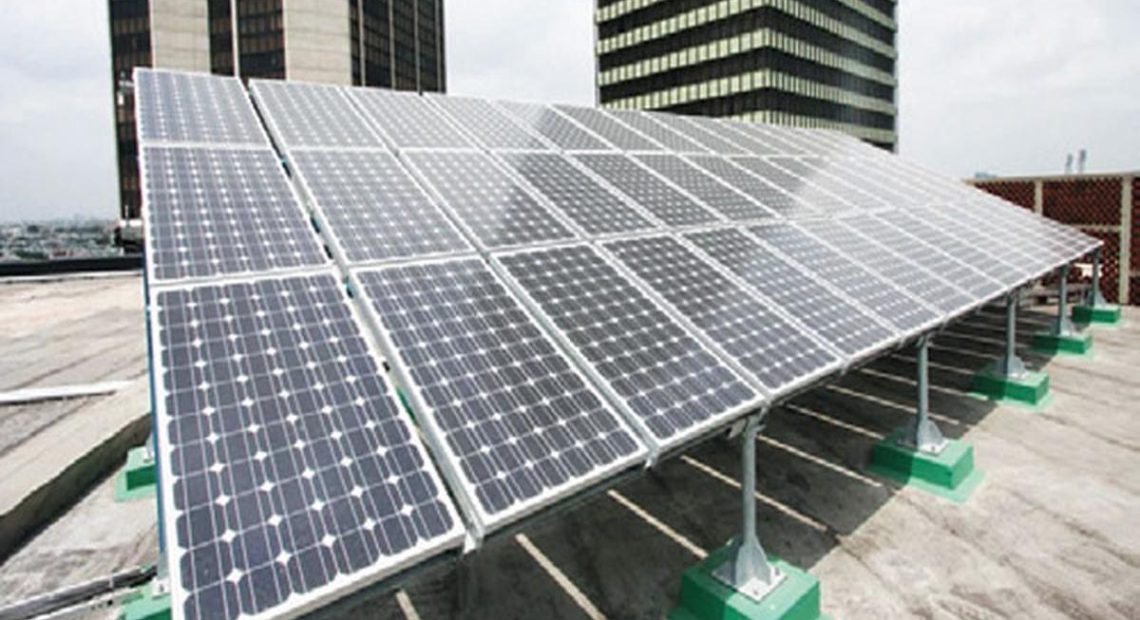
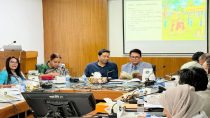
The scorching heat in Bhadra has intensified people’s suffering as power generation falls short of demand, resulting in severe load-shedding. Experts believe there is no alternative to solar power to address the crisis and meet growing demand in the future. At a seminar titled “Addressing Bangladesh’s Energy Crisis: Immediate Priorities and a Roadmap for a Sustainable Energy Future,” the Centre for Policy Dialogue (CPD) yesterday emphasised solar power as a sustainable solution. It also called for greater efficiency in LNG import management, accelerated domestic gas exploration and increased use of renewable energy.
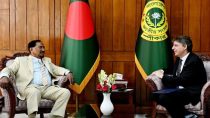
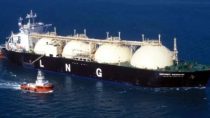
Power is the key to development and production. Resolving the long-term power crisis requires tough action from the Prime Minister. Questions have been raised over the appointment of Fouzul Kabir Khan, a relatively unknown figure, as adviser in charge of the Power, Energy and Mineral Resources Ministry. His decisions have been described as shortsighted and damaging to the sector. The cancellation of an agreement to establish the floating LNG terminal FSRU-3 has been particularly criticised. Bangladesh currently has two LNG terminals. Had the third terminal not been cancelled on the grounds that the agreement had been signed by the Awami League government, the country would have had three terminals. At the same time, Fouzul Kabir Khan cancelled the LOIs of 31 solar companies, allegedly without following due procedures, although the companies had completed their agreements in accordance with international rules. Had the decision not been taken, the companies could by now have begun supplying solar power to the national grid, benefiting consumers and helping ease the load-shedding crisis.
If the companies had proceeded with the projects, around 5,700MW of solar power could by now have been added to the national grid. The current level of load-shedding could therefore have been significantly lower. Soon after the interim government assumed office, Fouzul Kabir Khan was appointed adviser in charge of the power and energy ministry. China has invested in several major projects in Bangladesh, including the Padma Bridge, Karnaphuli Tunnel, Dhaka-Ashulia Elevated Expressway and power-grid expansion. Angered by the cancellation of the solar LOIs, Chinese investors reportedly stopped making new investments in Bangladesh. The Chinese government also did not view the decision of the previous interim government favourably.
There is, however, some hope. After the BNP came to power, the companies that had received LOIs under the previous government applied for reinstatement. The Power Ministry formed a review committee two months ago to examine their applications. However, the committee is headed by the current chairman of the Bangladesh Power Development Board, who was appointed by Fouzul Kabir Khan. The committee has reportedly been delaying agreements with the 31 local and foreign companies that had prepared to invest in solar power. The companies are reportedly preparing to take the matter to international courts. If foreign investors file lawsuits, Bangladesh could face financial losses, while investors in other sectors could also become discouraged from investing in the country.
At this critical juncture, the government should issue work orders to the 31 local and foreign companies that had received LOIs and were prepared to invest in solar power. At the same time, officials whose decisions have contributed to the current situation should be removed from key positions. At yesterday’s CPD seminar, power and energy experts recommended reassessing existing policies on LNG terminal construction and private investment in the power and energy sectors. The Prime Minister should consider the experts’ recommendations and take necessary steps to increase power generation. In the present crisis, greater emphasis on solar power, along with improved LNG management, domestic gas exploration and renewable energy development, can help address Bangladesh’s immediate and long-term electricity needs.