India Opens All Farakka Gates, Triggering Widespread Flooding and Riverbank Erosion in Bangladesh
Md. Haider Ali from Godagari (Rajshahi)
As India opened all the gates of Farakka, the water of the Padma and Mahananda rivers is rising rapidly in Godagari. With the increase in flood water coming from upstream, river erosion has started in various areas of Godagari, Chapainawabganj Sadar Upazila of Rajshahi. More than 100 bighas of land have been submerged in the riverbed due to the river erosion of about 1 kilometer in Yahia Mia Kup of Kuthipara Mahalla of Ward No. 4 of Godagari Municipality of Rajshahi.
Several roads in Char Ashariadah Union of the upazila have been submerged in flood water. The places where geo bags were dumped are in a very risky condition due to the flow of water. Flood water is flowing over the geo bags. Locals have said that the geo bags can disappear into the river bed at any time due to severe erosion. In addition, more than two hundred bighas of land including the road in Diyar Manikchak of the upazila have gone into the river bed due to erosion. These lands had paddy, jute, corn, banana, bitter gourd, potal, karmi, and dhaincha crops. Farmers have suffered extensive damage as they have not been able to take any of their crops home.
Md. Babul Akhtar of the area said that hundreds of bighas of cropland, bamboo and mango orchards have been submerged in the riverbed due to the extensive erosion of the Mahananda River in front of Alia Madrasa in Patu Market, Ward No. 5 of Debinagar Union, Sadar Upazila of Chapainawabganj district.
Hundreds of people are risking their lives as the road from Char Debinagar to Nazipur is submerged in floodwaters. Hundreds of acres of cropland, bamboo and mango orchards have been submerged in the riverbed due to the widespread erosion of the Mahananda River.
Last year, due to the rise in the Padma water, Chapainawabganj 1,559 hectares of vegetable crops including Maskalai, Ropa Aush and vegetables have been submerged in water in Kodalkati, Alatuli, Clubghat areas of Sadar Upazila, Panka, Ujirpur, Durlavpur of Shibganj Upazila and Narayanpur, Alatuli, Shahajahanpur, Charbaghdanga Unions of Sadar Upazila. The submerged Maskalai includes 1,250 hectares in Shibganj Upazila and 212 hectares in Sadar Upazila. He further said that Maskalai, Aush, paddy, summer onion, Chinese and sugarcane crops of about 5,315 farmers in the two Upazilas have been damaged. India is diverting water by constructing Farakka Barrage without paying attention to the rules and regulations. Although there have been two agreements with Bangladesh on sharing the Ganges water, Bangladesh has not received water as per the agreement.
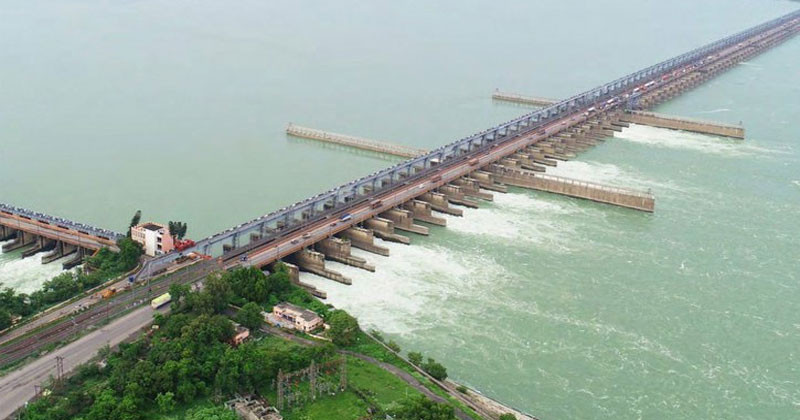
India had experimentally commissioned the Farakka Dam in 1975. Farakka is a village in Sarserganj police station of Murshidabad district of West Bengal. The dam with 119 lock gates built on the Ganges River is the Farakka Dam. The Ganges becomes the Padma at the paved point of Chapainawabganj, 18 kilometers downstream from Farakka. We are not getting the share of water that we are supposed to get as per the Ganges Water Sharing Agreement signed in 1996. Last year, the flow of water at Hardinge Bridge Point decreased by 15,000 cusecs.
The ongoing 30-year agreement has not given any guarantee of fair water access to Bangladesh. Whatever assurance there was in the previous agreement, this agreement does not have either. As a result, water deprivation has increased further. India’s West Bengal’s statement is frank. In the dry season, the flow of Teesta water decreases so much that it does not meet the needs of West Bengal, how will we provide water to Bangladesh? And during the rainy season, India is opening all the gates of the Farakka Dam and drowning it in water. Every year during floods, river erosion starts over a 20-kilometer area. This time it has started.