17 Banks to Provide Tk 41,000 Crore to Reopen Closed Factories
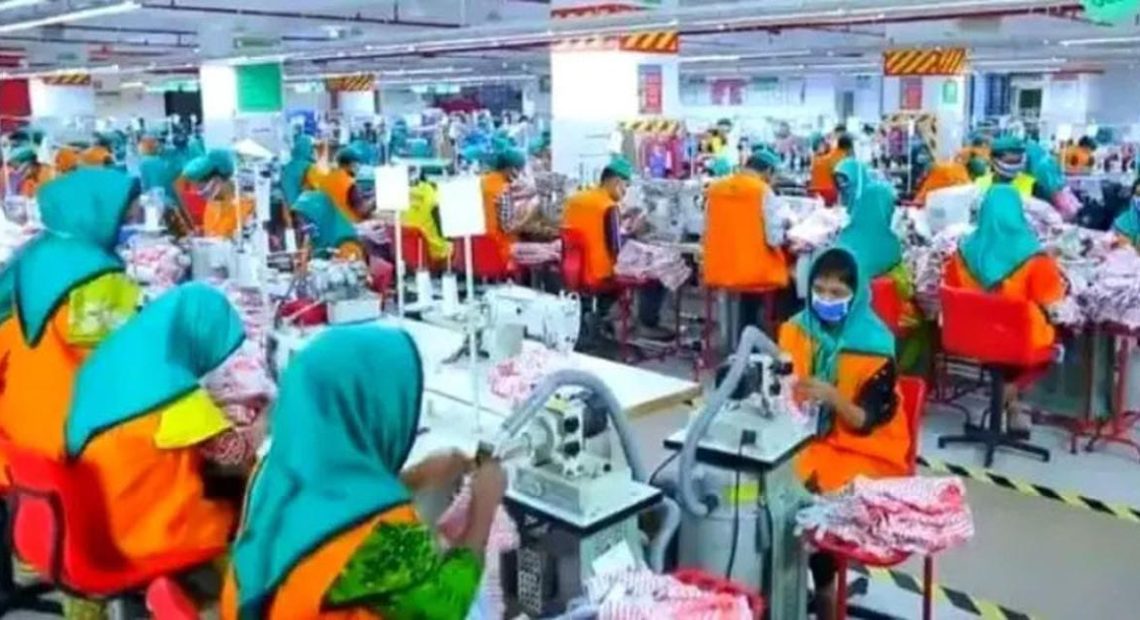
Industrial production is being disrupted by gas and electricity shortages, while many factories are shutting down. The situation has also put pressure on employment and the export sector. Against this backdrop, Bangladesh Bank has announced a Tk 60,000 crore incentive package to reopen long-closed industrial establishments and revive economic activity. Seventeen banks have initially agreed to provide Tk 41,000 crore to the fund. Bangladesh Bank is expected to sign agreements with these banks this week.
Meanwhile, 37 banks have already signed agreements with Bangladesh Bank to disburse loans from the incentive fund. However, industrial entrepreneurs have questioned how effective financing closed factories will be without resolving the ongoing energy crisis. They said operating factories are already struggling to maintain production because of shortages of gas and electricity. Therefore, restarting factories that have remained closed for years and maintaining their production could prove difficult.
Entrepreneurs said the authorities should first provide support to businesses that remain operational but are currently struggling because of the crisis. Otherwise, new loan defaults and risks to the banking sector could increase. The number of active member companies of the Bangladesh Knitwear Manufacturers and Exporters Association (BKMEA) has fallen from around 2,000 to approximately 800. Industry insiders also said they have been unable to reopen a factory called Green Sweater, which has remained closed for a long time, even during the past year.
Economists believe that providing low-interest loans to revive closed industrial establishments could have a positive impact on the economy. However, they stressed that authorities must properly assess businesses before approving loans and ensure proper use and strict monitoring of the funds. At the same time, they said uninterrupted gas and electricity supplies to industries must receive equal priority.
The 17 banks that have agreed to contribute to the incentive package are Sonali Bank, Agrani Bank, Rupali Bank, BRAC Bank, City Bank, Jamuna Bank, Dutch-Bangla Bank, Mutual Trust Bank, Uttara Bank, Prime Bank, Bank Asia, NCC Bank, Pubali Bank, Eastern Bank, Mercantile Bank, Trust Bank and Southeast Bank.
Among them, Sonali Bank has agreed to provide Tk 20,000 crore, while Agrani Bank and Rupali Bank have each agreed to provide Tk 2,000 crore. However, several banks have reportedly shown reluctance to contribute to the fund because of the ongoing economic challenges. Bank officials have also alleged that Bangladesh Bank has pressured them to provide funds. Bank officials said investment requires reliable access to gas, law and order, and political stability. They stressed that factories cannot operate even with low-interest loans if they do not receive adequate gas supplies.
On May 23, Bangladesh Bank announced the Tk 60,000 crore package to reopen closed factories and revive the stagnant economy. Commercial banks will provide Tk 41,000 crore of the package, while Tk 19,000 crore will come from the central bank’s refinancing fund.
Of the total package, Bangladesh Bank has allocated Tk 20,000 crore specifically to reopen closed factories. Under the scheme, private-sector businesses will receive loans at an average interest rate of 7.5 percent.
The initiative aims to restore production at closed industrial units, protect employment and support economic recovery. However, entrepreneurs and economists have stressed that financing alone will not be enough. They believe the government must simultaneously address the gas and electricity shortages, improve the investment environment and strengthen monitoring to ensure that the funds actually reach viable businesses and contribute to sustainable industrial recovery.