Urgent steps needed to resolve gas, power and energy crisis

The BNP government is already facing major socioeconomic challenges due to the alleged looting and destructive activities of the previous government. The gas, power supply and energy crisis has intensified those challenges. Unprecedented power outages, load shedding and disruptions in residential and commercial gas supplies have brought kitchens and factories to a standstill, increasing public suffering and frustration.
The Middle East war has undoubtedly created a global energy crisis. However, even as the impact of the war has eased somewhat, Bangladesh’s power and energy situation has become more complicated since the current government took office. Despite supply disruptions caused by the Ukraine and Middle East wars, gas and power supply shortages had not become this severe in the region. Although Bangladesh has sought to address the shortfall by importing energy from India, which depends on supplies from the Middle East and Russia, no effective long-term initiative has yet been seen to use strategic partnerships with countries such as China and stable Middle Eastern nations.
At a time of uncertainty in energy supplies due to the Middle East conflict and the crisis around the Strait of Hormuz, Bangladesh should have increased and maintained supplies from domestic sources. Instead, local gas supplies have suddenly fallen sharply. A report published in Bonik Barta yesterday said domestic gas supply had dropped 18 per cent below normal. Production at Bibiyana, one of the country’s largest gas fields, has reportedly fallen by nearly 50 per cent, which is alarming.
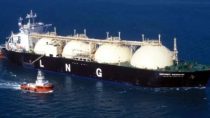
Meanwhile, LNG supplies have been disrupted by technical problems, fires and repeated mechanical failures at the two floating LNG terminals in Maheshkhali, worsening the power and energy crisis. One terminal is operated by US multinational Excelerate Energy, while the other is operated by Summit Group in partnership with Japan’s Mitsubishi Corporation.
The government must examine whether the worsening energy crisis is being deliberately aggravated for political purposes aimed at putting pressure on the BNP government under the new geopolitical circumstances following the July uprising. The inadequate responses from responsible officials are raising questions about their sincerity and competence. At the same time, a campaign has reportedly begun portraying the crisis as a government failure to create public dissatisfaction.
The gas and power shortages are creating serious socioeconomic problems. Rising energy prices are increasing transport fares and inflation. Power shortages are putting potatoes, onions, fruits and other perishable goods stored in cold-storage facilities at risk. Gas shortages are disrupting power supply and fertiliser production, threatening agriculture and food security. The crisis is also affecting almost every sector of industry, including export-oriented businesses.
The simultaneous disruption at Excelerate’s floating LNG terminal, confusion over LNG tankers and the unusual decline in domestic gas production require urgent investigation. Statements from some ministers and senior officials are also increasing public frustration. Instead of explaining the causes and presenting immediate solutions, officials are talking about two-year and 10-year timelines for resolving the energy crisis.
The government’s plan to increase energy reserves from the current one and a half months to six months is certainly encouraging. However, people want to see rapid and visible progress in power generation, LNG imports and domestic gas production and distribution. Hours of daily load shedding are increasing public anger.
The government must act quickly to prevent the energy crisis from becoming a political and economic liability. It should increase production at existing gas fields, add additional output from new fields including Bhola to the national grid and urgently restore Excelerate Energy’s LNG terminal to operation.
At the same time, effective measures must be taken to increase domestic gas and coal production and expand renewable energy. Rapid and practical action to resolve the crisis can help reduce public suffering, contain inflation and address the growing economic and political risks.