Bangladesh’s Economy Can Be Transformed in Just Five Years

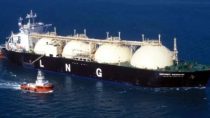
The International Monetary Fund (IMF) has projected that Bangladesh’s economy could reach $677 billion by 2030. During this period, the country’s GDP could surpass those of Malaysia, Vietnam and Thailand, according to a report titled The $150 Trillion Global Economy in 2030, published by Canadian media outlet Visual Capitalist. The projection offers hope amid Bangladesh’s current economic challenges. However, achieving such growth will require sound economic planning, effective policies and proper implementation. Energy and transport infrastructure will be critical to this effort. Bangladesh is currently facing serious shortages of gas, electricity and fuel, disrupting industrial production and affecting public life. The ready-made garment sector, the country’s leading export industry, has been particularly affected. According to recent reports, 95 factories have closed in the past eight months due to inadequate gas and electricity supplies, resulting in around 62,000 job losses. Many other factories have temporarily suspended production and could face permanent closure if the situation does not improve.
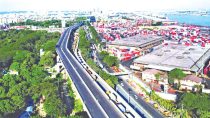
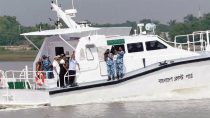
The transport sector also faces major challenges. Weak and poorly coordinated road, rail and waterway networks disrupt the movement of people and goods and affect import-export activities. Better integration among these three modes of transport is essential for improving efficiency and supporting economic growth. Investment and production are also being affected by the energy crisis. Investors are unlikely to commit funds when factories cannot operate reliably because of fuel and electricity shortages. Poor transport infrastructure also makes it difficult to move and export goods on time. The country has also struggled to properly implement development projects. The World Bank recently cancelled $335 million from a loan allocated to the first phase of the Western Economic Corridor and Regional Enhancement Project because of slow implementation. Such setbacks raise concerns about Bangladesh’s ability to use development financing effectively. Bureaucratic complications, weak institutional capacity and corruption remain as additional barriers to investment and development. Ensuring efficient project management and timely implementation will therefore be essential.
Surpassing Malaysia, Vietnam and Thailand in economic size within the next five years is not impossible. However, Bangladesh will need an effective economic strategy and strong implementation. The government must create a business-friendly investment environment, ensure reliable energy supplies and develop an integrated road, rail and water transport system. Efforts should also be made to reopen viable closed factories, establish new industries and create employment. Economists, business leaders and experts should work together to identify practical ways to accelerate economic recovery and address current challenges.The IMF projection highlights the potential of Bangladesh’s economy. Turning that potential into reality will require reliable infrastructure, adequate energy supplies, efficient administration, reduced bureaucratic barriers and zero tolerance for corruption.