Massive Industrialisation, Investment Drive Underway to Spur Economic Prosperity
A key question facing Bangladesh’s economy is whether the country will remain focused on growth figures or become an upper-middle-income, industrialised, technology-driven and globally competitive economy. Prime Minister Tarique Rahman has set an ambitious target of turning Bangladesh into a trillion-dollar economy by 2034. With the economy currently estimated at nearly $500 billion, achieving the target would require almost doubling its size within eighdiplomacy
Experts say high growth alone will not be enough. Bangladesh will need higher productivity, faster industrialisation, diversified exports, a technology-driven economy and a stronger investment environment. The target, however, comes at a difficult time. The country is facing gas and electricity shortages, high production costs, financing problems, foreign debt pressure, uncertainty over purchase orders, weak investment, high inflation, revenue shortages and problems in the banking sector. Still, the International Monetary Fund (IMF) has projected that Bangladesh’s economy could reach $677 billion by 2030. Its forecast also suggests that Bangladesh could overtake Malaysia, whose GDP is projected to reach $672.5 billion that year, as well as Vietnam and Thailand.
Chattogram at the centre of investment plans
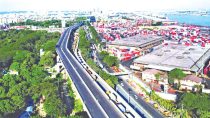
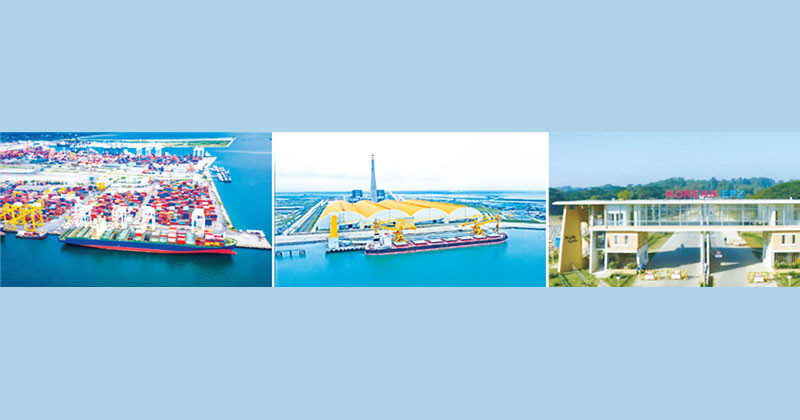
Large infrastructure and industrial projects around Chattogram could play a major role in achieving the economic target. The Chinese Economic and Industrial Zone in Anwara, Korean EPZ, Matarbari deep-sea port, energy hub, Laldia Terminal, Bay Terminal and Mirsarai Industrial City are expected to strengthen Chattogram’s position as a regional trade and logistics hub. The Chinese Economic and Industrial Zone is under construction, with an expected investment of around $1.5 billion. Hundreds of factories are expected to create significant employment.
Investment is also expanding in the Korean EPZ. According to an official of the EPZ, around $1 billion in foreign investment is already present, while Korean investors have shown interest in further investment.
Infrastructure development is also progressing in Mirsarai. Bangladeshi company Ecolet (Private) Limited recently signed an agreement with BEPZA to invest $16 million in an LED manufacturing facility.
Meanwhile, APM Terminals is investing around $750 million in the Laldia Container Terminal project at Chattogram Port. The investment is expected to strengthen the port’s capacity and improve Bangladesh’s image as an investment destination. The Bay Terminal is another major project. Once completed, it is expected to more than double the port’s capacity. Work is also progressing on a deep-sea port at Matarbari in Maheshkhali.
Energy crisis remains a major concern
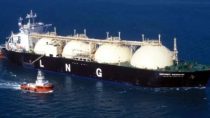
Reliable energy supply is essential for attracting and retaining investment. However, gas and electricity shortages are disrupting industrial production. Business leaders have called for increased domestic gas exploration, new wells and greater use of LNG to ensure a stable supply. The government has ordered the drilling and re-drilling of 150 wells, with a target of producing 1,700 million cubic feet of gas per day from domestic sources.
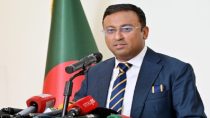
Information Adviser Zahed Ur Rahman said the government is working to address the crisis. He said, “We sympathize with the people’s crisis, but at the same time I want to say this – this crisis is a problem accumulated over many years. At the same time, there are some inefficiency problems in the thick of it. Basically, the war is the cause of this crisis.” Despite the crisis, electricity generation has increased. Recent production stood at 14,283 MW against demand of slightly more than 17,000 MW. The country’s total generation capacity is around 33,092 MW, including captive and renewable sources. Energy analysts, however, say the current power shortage is caused by both fuel supply problems and weaknesses in government management.
Transport and development spending face challenges
Transport infrastructure remains another major obstacle. Severe congestion on the Dhaka-Chattogram highway has recently caused long delays, affecting passengers, businesses and emergency services. The government’s Annual Development Programme (ADP) implementation rate was also less than 1 percent in July, the first month of the 2026-27 fiscal year. Ministries and departments spent Tk 2,121.18 crore, or 0.69 percent of the total allocation. Ten ministries and departments recorded zero expenditure during the month, according to the Implementation Monitoring and Evaluation Division (IMED). Business leaders say better road infrastructure and stronger connectivity between Chattogram, Dhaka, Sylhet, Mymensingh and other regions are essential to support investment and industrial growth.
Foreign investment and diplomacy
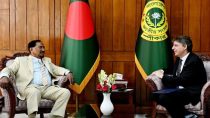
Bangladesh’s improved political stability could create opportunities to attract more foreign investment, particularly from China, Japan, South Korea, Türkiye, Saudi Arabia and other Middle Eastern countries. Investment experts say stronger economic and diplomatic ties with these countries could increase foreign investment, manpower exports and remittance earnings. The government is also expected to explore opportunities to expand exports and labour markets in Europe, the United States, the United Kingdom and the Middle East. However, investors are seeking improvements in Bangladesh’s business environment. Bureaucratic delays, infrastructure limitations and inconsistent policies need to be addressed to attract larger investments.
Turning the target into reality
The trillion-dollar target will depend on how effectively the government addresses these structural problems. Investment must be supported by reliable energy, efficient transport, strong infrastructure and timely project implementation. The government also needs to reduce bureaucratic barriers, strengthen institutions and ensure accountability in development projects. Experts say corruption and weak implementation capacity could undermine the country’s economic ambitions. Chattogram has significant potential to become a regional industrial and logistics hub. Chattogram Chamber President Mohammad Amirul Haque said the city’s strategic location could help realise the Prime Minister’s trillion-dollar economic vision.
He also stressed the need to improve Chattogram Port, develop Shah Amanat International Airport with modern facilities including a cargo village, and strengthen major road links. With major projects underway across Chattogram and other parts of the country, Bangladesh has opportunities to expand industrialisation, employment, tourism and trade. But achieving a trillion-dollar economy by 2034 will require coordinated action, stable energy supplies, higher investment, better infrastructure and effective implementation of economic policies.