
‘Mecca Defense Pact’ Could Be Activated After Houthi Attacks in Saudi Arabia
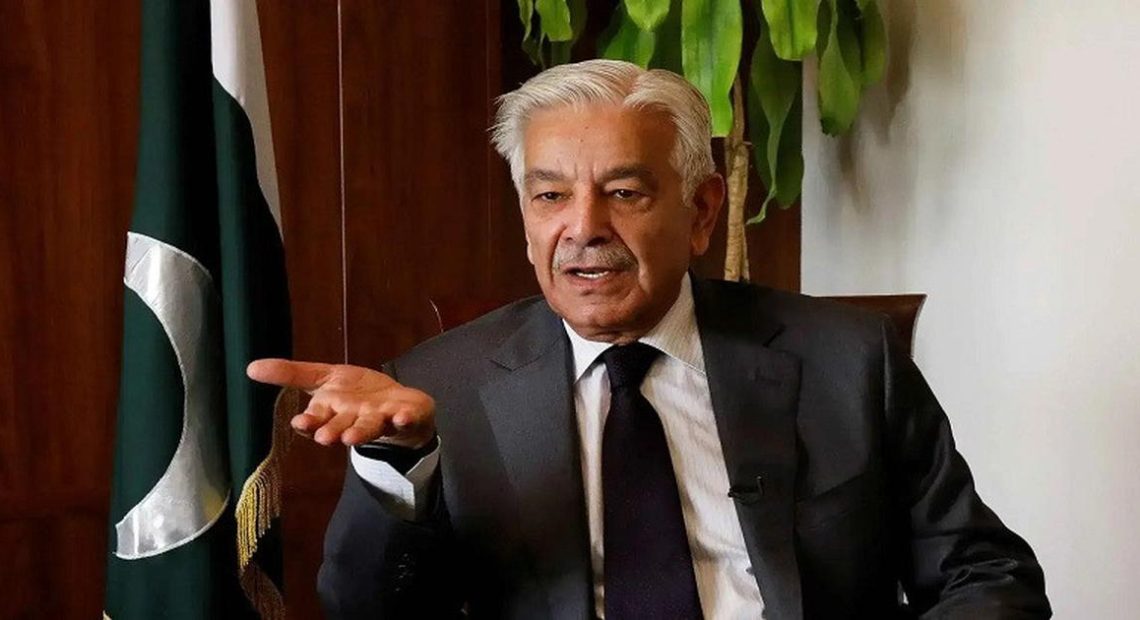
Pakistan’s Defence Minister Khawaja Muhammad Asif has warned that the trilateral ‘Mecca Defense Pact’ signed by Pakistan, Saudi Arabia and Turkey could be activated following recent missile attacks by Yemen’s Houthi rebels in Saudi Arabia. He said the pact would automatically come into effect if the Yemen conflict spills over into Riyadh.
On Tuesday, Houthi rebels launched missile attacks on several oil facilities in Saudi Arabia, injuring at least 73 people. The geopolitical tension came to the fore immediately afterward. Signed on August 7, 2025, the joint defence pact stipulates that an attack on any one of the three member states will be treated as an attack on all three, prompting a joint response.
In an interview on Geo News’ programme ‘Aaj Shahzeb Khanzada Kay Saath’ on Tuesday night, the defence minister was asked whether the strategic pact would be activated following the attacks. Asif said there was no ambiguity on the matter. “This is a joint defence pact. If the effects of the Yemen conflict spill over into Saudi Arabia unnecessarily, the pact will certainly come into effect, there is no doubt about it. Under the terms of the pact, we are obliged to stand by Saudi Arabia in this danger,” he said.
Regarding Pakistan’s response to the attacks, the defence minister said Pakistan and Saudi Arabia were committed to cooperating with each other in the face of any aggression. However, he expressed hope that the Houthis, a non-state actor in Yemen, would understand the situation and that it would not escalate further.
Regarding the ongoing Middle East crisis involving the United States and Iran, Asif said all avenues for peace had not yet been closed. However, accusing Israel of being behind the tensions across the region, he said the people of Gaza, the West Bank and Lebanon were paying a heavy price for Israeli Prime Minister Benjamin Netanyahu’s lust for power. He also said global public opinion was gradually becoming vocal against what he called Zionist aggression.
On Tuesday, the Houthi rebels launched dozens of ballistic missile attacks on four Saudi cities—Abha, Khamis Mushait, Jazan and Najran. The attacks damaged Abha International Airport, King Khalid Air Base and several facilities of state-owned oil giant Aramco. In response, Saudi Arabia carried out retaliatory airstrikes in Yemen’s Taiz, Marib and Sana’a regions.
Following the incident, Pakistani Prime Minister Shehbaz Sharif and the country’s Foreign Ministry issued separate statements strongly condemning the Houthi attacks and reaffirming Pakistan’s full support for protecting Saudi Arabia’s sovereignty and territorial integrity.