Government Survival Hinges on Economic Stability

After the controversial election held on January 5, 2024, under Sheikh Hasina, widely called a “dummy election”, some people I knew quietly said that the Awami League-led government would not last more than six months. I did not believe them at the time. The Hasina government had turned the entire state machinery into a tool of its party. Anyone who dared to speak against it faced severe repression.
The BNP-led alliance also faced serious persecution during its movement against Hasina. Hundreds of thousands of leaders and activists had to flee to save their lives. Many slept in forests and fields, faced hundreds of cases, went to jail and became victims of enforced disappearance and murder.
The government also sentenced BNP Chairperson Begum Khaleda Zia in false cases and kept her in jail for years. The people of Bangladesh and the world know how the government used every possible form of repression to remove the BNP from politics. Awami League General Secretary Obaidul Quader often said that the BNP would become another Muslim League.
Two
The anti-quota movement began on a small scale in the first week of June 2024, with students holding small gatherings at Shahbagh. No one imagined that it would turn into a mass uprising and bring down Hasina.
When Hasina realised the danger, her party members and loyal state forces attacked students and ordinary people to crush the movement. According to the United Nations, 1,400 people were killed by gunfire, while some estimates put the number above 2,000. More than 30,000 people were injured, permanently disabled or blinded. Unable to withstand the people’s resistance, Hasina and most of her party leaders and activists fled the country.
In the February 12 election this year, the BNP, which had led the anti-fascist movement for 18 years, came to power with a two-thirds majority.
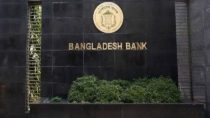
The new government began its journey with a severely damaged economy. The Hasina government had emptied banks through looting and money laundering, leaving the country in a terrible economic condition. The BNP government had to start with this burden.
After the election, some people again said that the government would not last more than six months. However, the situations are different. Hasina ruled through powerful fascist forces, while the BNP began governing a country with a weak economy and widespread disorder. Many believe that if the BNP cannot quickly improve the situation, it may struggle to remain in power.
The Iran war has made the situation even worse. It has caused an energy crisis and badly affected imports, exports and business activities in Bangladesh. The weakness of law enforcement agencies has also contributed to a worsening law and order situation.
Rebuilding a country with an almost destroyed economy and widespread disorder is a major challenge for any new government. Moreover, after a mass uprising against fascism, a government must act carefully to avoid having its decisions compared with those of the previous regime.
Following his election promises, Prime Minister Tarique Rahman has started work on introducing Family Cards and Farmer Cards, cancelling agricultural loans of up to Tk 10,000, including interest, launching a canal excavation programme and providing monthly allowances to imams, muezzins and religious leaders of other faiths.
However, the global economic slowdown caused by the Iran war has dealt a heavy blow to Bangladesh. Inflation, unemployment, shortages of gas, electricity and fuel, factory closures and a slowdown in import and export trade have made life difficult. Falling incomes have added to people’s hardship.
The government is trying to manage the situation, but ordinary people are still struggling. Meanwhile, opposition parties are holding rallies and long marches over demands such as the implementation of the July Charter.
Rising prices of essential goods and the energy crisis have further increased public hardship. Allegations of extortion and illegal land occupation by some BNP leaders and activists have also put the government in an uncomfortable position.
The government’s biggest concern should be the rising cost of living. When people cannot afford their daily needs, political and social stability, as well as law and order, can deteriorate. Such instability is already visible because of the economic crisis.
Three
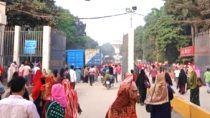
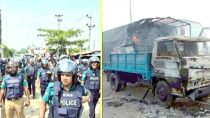
Garment workers have recently blocked roads and staged protests demanding a minimum monthly wage of Tk 30,000. Their protests have included vandalism, arson and attacks on police. Even after the government formed a wage board, the unrest has continued.
Reports published in Inqilab and other newspapers say that leaders and activists of the fallen and banned Awami League are encouraging these activities. They have reportedly entered workers’ groups and taken part in attacks and vandalism. Government intelligence reports have also pointed to such involvement.
Awami League leaders and activists still in the country have become more active since Hasina announced that she would return in December. They have held frequent sudden rallies in Dhaka and other parts of the country.
Hasina’s loyalists still inside the administration and police are also waiting for an opportunity. Some are allegedly failing to perform their duties properly, while officials loyal to the former government are slowing down development projects.
There are also complaints that some ministers are taking the situation too casually and lack the ability to manage the crisis. Observers say Prime Minister Tarique Rahman is working day and night to rebuild the country, but many ministers and lawmakers cannot keep pace with him.
The Finance Minister, in particular, is facing criticism for failing to bring the fragile economy to a stable position and make life easier for ordinary people. A lack of proper action among senior police officials has also raised concerns about law and order.
Meanwhile, opposition leaders are threatening to bring down the government. The ruling and opposition parties are also blaming each other over giving shelter and support to Awami League leaders and activists.
This blame game, which began before the election, is growing. Observers believe the Awami League is taking advantage of the political conflict. Disputes have also emerged over attempts to attract Awami League voters to candidates supported by the government and opposition in the upcoming local government elections.
As a result, Awami League leaders and activists at the grassroots level are moving towards whichever side they believe will serve their interests. This political conflict is helping them become active again. If it continues, neither the ruling party nor the opposition, nor the country, will benefit. Bangladesh could face serious danger, and its independence and sovereignty could be threatened.
Four
The government’s main priority should now be to make life easier for ordinary people and maintain political stability. It must develop a master plan to control the prices of essential goods, address the immediate crisis and provide relief to struggling families.
The government has taken long-term steps to rebuild the fragile economy, but these plans will take time to produce results. If people’s living conditions continue to worsen while they wait for those benefits, they may turn against the government. The political situation could then become tense, giving the fallen and banned Awami League an opportunity to become active again.
Government policymakers must understand that public well-being is the foundation of stability. When ordinary people are satisfied with the government’s performance and can live comfortably, they are less likely to respond to opposition protests. This will also help the government remain in power for longer.
Above all, the government must take every necessary step to strengthen the economy. Economic stability is the key to government stability.