
Food Engineering Is Transforming Bangladesh’s Food Industry
The packaged milk we drink every day, the bottled fruit juice we buy, the biscuits we eat, the sauces we use, and the frozen fish, meat and vegetables we cook all reach us through a vast process involving science and engineering. The modern food industry is no longer limited to producing or preserving food.
It has become a highly technology-driven industry through the integration of science, engineering, automation, information technology, packaging, food safety and artificial intelligence. At the centre of this transformation is food engineering.
Bangladesh’s food industry has undergone significant changes over the past two decades. In the past, most processed food in the country was produced on a small scale using relatively labour-intensive methods. Today, rice, flour, edible oil, milk, biscuits, noodles, beverages, fruit juice, sauces, spices, frozen foods, fish and meat, among many other products, are being produced on a large scale in modern factories. At the same time, consumer expectations have also changed. Food producers now have to ensure food safety, longer shelf life, better taste, nutritional value, convenient packaging and affordable prices at the same time.
The importance of food engineering is therefore growing rapidly in achieving these goals. Although food science and food engineering are closely related, they are not the same. Food science mainly deals with the chemical composition, nutritional value, microorganisms, taste, colour, texture and preservation of food. Food engineering, on the other hand, applies this scientific knowledge at the industrial level.
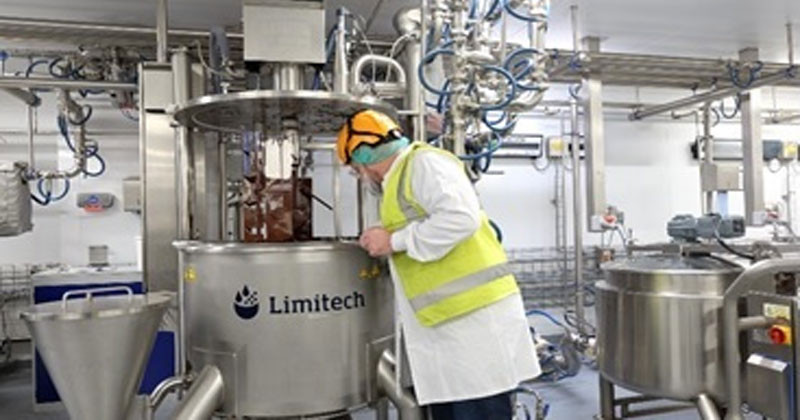
Producing one litre of milk or one kilogram of sauce in a laboratory is relatively easy. But producing thousands or hundreds of thousands of litres of the same product every day requires tanks, pumps, pipelines, mixers, heat exchangers, homogenisers, refrigeration systems, filling machines and automated control systems. Determining the capacity of each machine, controlling temperature, pressure and liquid flow, and increasing production while maintaining safety are all part of food engineering.
A familiar example in Bangladesh can be seen in rice processing. In modern rice mills, engineering technology is used at every stage, from cleaning paddy and removing stones and other impurities to moisture control, drying, husking, polishing, separating broken rice, colour-based sorting and packaging.
Optical colour sorters can quickly inspect large quantities of rice and separate defective grains. Proper drying and moisture control can reduce rice breakage and losses during storage. Similarly, modern flour mills use engineering controls at every stage, from wheat cleaning, conditioning and roller milling to sieving and packaging.
The dairy industry is another important area of food engineering. Raw milk can spoil quickly and may contain disease-causing microorganisms. Therefore, pasteurisation, homogenisation, ultra-high-temperature (UHT) processing, rapid cooling and hygienic packaging are used.
Modern heat exchangers allow milk to be heated and cooled in a controlled manner. Clean-in-place (CIP) technology also allows tanks and pipelines to be cleaned and sanitised without dismantling them. This makes it easier to produce safe dairy products with consistent quality on a large scale.
Food engineering is also essential in the production of fruit juice, soft drinks and other beverages. Water purification, ingredient mixing, dissolving, controlling acidity and soluble solids, homogenisation, pasteurisation and bottling must all be carefully controlled. Changes in temperature, time, pressure or flow rate can affect the taste, colour and stability of a product. Therefore, the use of sensors and automated control systems is increasing in modern beverage factories.
Engineering is also highly important in biscuits, cakes, bread and other bakery products. Every stage, from dough mixing to sheeting, cutting, baking, cooling and packaging, is related to heat and mass transfer. Oven temperature, baking time and the rate at which water leaves the food determine the colour, taste, moisture, crispness and shelf life of the product.
Similarly, in the production of sauces, pickles, jams and jellies, it is essential to maintain the right balance between pH, soluble solids, viscosity, heat treatment and packaging. The edible oil industry also uses engineering processes such as degumming, neutralisation, bleaching, deodorisation and filtration.
One of the biggest opportunities for food engineering in Bangladesh is reducing fruit and vegetable waste. The country produces large quantities of seasonal agricultural products such as mangoes, jackfruit, pineapples, bananas, guavas and tomatoes. However, a portion of these products is wasted due to limitations in proper storage, transportation and processing.
These products can be given added value through cold storage, temperature-controlled transportation, drying, pulping, canning, freezing and aseptic processing. Instead of selling a mango only as a fresh fruit, it can be processed into pulp, puree, juice, nectar or dried mango. This would make it possible to market the product throughout the year and could also help farmers receive better prices.
Bangladesh also has significant potential in the frozen food industry. In the case of fish, shrimp, meat and vegetables, rapid freezing and Individual Quick Freezing (IQF) technology help preserve product quality. However, simply freezing products at the factory is not enough. The required temperature must be maintained from production through transportation, storage, marketing and retail sales. This continuous system is known as the cold chain.
A strong cold-chain infrastructure is extremely important for reducing agricultural losses in Bangladesh and increasing exports of fish, shrimp, fruits and vegetables. Engineering also plays a major role in food safety. Modern factories can detect various problems during production through metal detectors, X-ray inspection, temperature sensors, automatic weight control and online monitoring. Proper engineering systems are also required for safe water, steam, refrigeration, sanitation and wastewater treatment.
Safe food cannot be produced simply by following a good recipe. The entire factory must be designed and operated in a way that minimises the risk of contamination from the receipt of raw materials to the packaging of finished products.
The global food industry is now entering a new era of automation, robotics and artificial intelligence. Automated control systems such as programmable logic controllers (PLCs) and supervisory control and data acquisition (SCADA) systems can centrally control temperature, pressure, flow, mixing ratios and production speed in factories.
Artificial intelligence and machine vision can be used to identify defective fruits or food products, classify products according to quality and predict potential equipment problems before machines break down. The use of these technologies is also expected to increase in Bangladesh’s food factories in the coming days.
Another important issue for Bangladesh is making food engineering technology accessible to small and medium-sized food-processing businesses. Many small entrepreneurs across the country produce pickles, spices, bakery products, fruit juices, dairy foods, dried fruits and various local foods.
However, many of these businesses lack proper process design, temperature control, hygienic factory design, shelf-life assessment and modern packaging technology. If affordable technologies can be delivered to these entrepreneurs through cooperation among universities, research institutions, government agencies and large food companies, opportunities for adding value to agricultural products, creating employment and developing new entrepreneurs could increase at the village and district levels.
Bangladesh’s food industry is now at an important turning point where simply increasing production is no longer enough. Urbanisation, changes in people’s incomes and lifestyles, and growing demand for safe and convenient food are creating new responsibilities for the food industry.
To compete in international markets, the industry must ensure food safety, nutritional value, consistent quality, traceability, shelf life, production efficiency, efficient use of energy and water, and environmental responsibility at the same time. The ability to quickly identify where raw materials came from, in which batch they were processed and how they reached consumers is also becoming an essential part of the modern food industry.
Simply installing modern machinery in a factory does not make it a modern food-processing facility. Proper factory design, the flow of raw materials and finished products, separation of clean and unclean areas, temperature and humidity control, water and steam management, effective cleaning and sanitisation, and continuous monitoring of critical production stages are equally important.
Food engineering brings all these elements together into an integrated system. This makes it possible to achieve higher production, lower waste and better quality while using the same amount of raw materials and energy. For this reason, special emphasis must be placed on research and development. There are huge opportunities to develop technologies based on Bangladesh’s own agricultural products and food habits. More value-added foods can be produced from mangoes, jackfruit, pineapples, guavas, bananas, potatoes, tomatoes, rice, pulses, fish, milk and various local spices.
However, developing new recipes alone will not be enough. Research must also focus on appropriate processing, heat treatment, drying, freezing, concentration, packaging and shelf life. If technologies suited to Bangladesh’s climate, raw materials and market realities can be developed, dependence on foreign technologies will decrease and the domestic food industry will become more competitive.
Author: Food Scientist, based in Birmingham, United Kingdom