Thai Muslim Separatists Vow to Fight Until an Independent Islamic State Is Formed
Southern Thailand has faced decades of bloody conflict that has killed thousands of people. A top leader of the region’s main Malay Muslim separatist group vowed this week that the fight will continue until their goal is achieved.
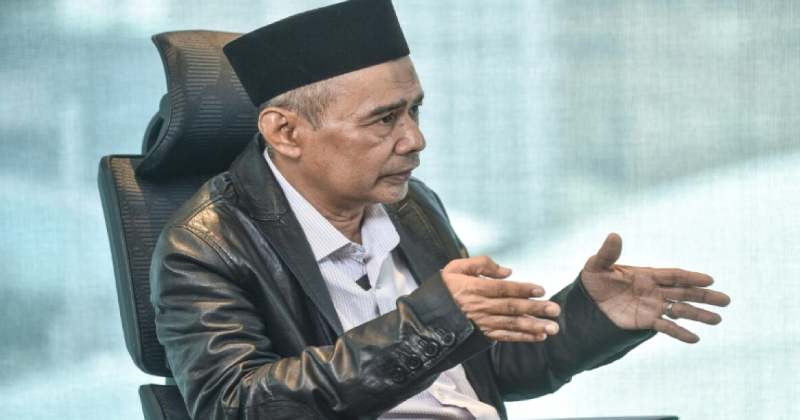
Mr. Nikmatullah Sereh, spokesman for the Barisan Revolusi Nasional (BRN) peace negotiation team, spoke to AFP in a rare interview. He said the struggle will continue until the last day, and they will keep fighting until their goal is achieved.
BRN’s armed fighters have sought an independent Islamic state in Thailand’s Muslim majority south since the 1960s. The current wave of conflict began again in 2004.
Malaysia has mediated talks between the Thai government and BRN since 2013. The last high level talks took place in December of last year.
However, the talks have stalled many times. Bangkok suspended all dialogue after an attack in July killed five Thai soldiers.
Speaking at a hotel in Kuala Lumpur, Mr. Nikmatullah said their goal remains the same, and that goal is independence.
Southern Thailand once formed part of the historic Malay Muslim Pattani Sultanate. Buddhist majority Thailand, then called Siam, absorbed the region in the early 1900s.
According to the conflict monitoring group Deep South Watch, more than 7,000 people have died in the fighting since 2004. The dead include fighters, Thai security forces, and civilians.
Mr. Nikmatullah did not directly confirm or deny BRN’s role in recent violence. But he stressed that his group remains the main driving force behind the fight.
He said his group has proposed a power sharing arrangement with Bangkok. He suggested that BRN would take power in the region without any election.
He said they want political power, meaning BRN would govern the region made up of four Thai provinces near the Malaysian border.
He said the area would be run through sharia police and courts that follow Islamic law, but this would apply only to Muslims.
He added that there would be a transition period of five or ten years during which they would govern. After that, they would hand power to the people through democratic elections.
Checkpoints and curfews
Mr. Nikmatullah claimed that ethnic Malay Muslims face clear discrimination over their language and culture, and that they have never felt safe. The Thai government has always denied this claim.
Thailand’s chief negotiator, Mr. Thanut Suvannanon, told local media in August that separation was never discussed at the negotiating table.
Mr. Thanut, appointed in April, said the government is considering declaring ceasefire zones and easing security measures such as checkpoints that disrupt daily life.
The region has operated under special security law since 2005. This law lets Thai authorities detain suspects without trial and impose curfews, a practice that human rights groups have strongly criticized.
Mr. Nikmatullah said BRN’s armed wing has lost 1,000 fighters over the past two decades. He stressed that war was their last resort.
This Thai born leader, who joined BRN at age 18, said they never target the weak or the innocent, and that their main target remains the government.
Last month, coordinated night attacks in several locations injured a few people and damaged government and private property.
Thai authorities say five Thai soldiers were killed and six civilians were injured in a shooting and bombing at a checkpoint in July.
Mr. Nikmatullah gave no clear answer on whether BRN was involved in that attack. Instead, he said they are not a colonial intelligence agency.
However, Thailand’s Foreign Ministry confirmed to AFP that talks were suspended right after the soldiers’ deaths. The ministry made clear that it remains committed to the peace process.
In a statement, the Foreign Ministry said it is focusing mainly on three areas: socioeconomic development, maintaining security, and peace talks.
Informal or back channel talks
Mr. Nikmatullah, wearing a black leather jacket and the traditional black cap known as the songkok, gave no clear answer about where he currently lives. He claimed that BRN has support from local people and that the group runs on donations from its members.
On the question of weapons, he said they take arms from their enemies. He said they take them for free because these forces come and create chaos on their land.
Mr. Nikmatullah noted that the absence of a Malaysian mediator has disrupted the peace talks. He said informal or back channel talks with Thailand could begin in October.
In a statement to AFP, Malaysia’s Defense Minister, Mr. Mohamad Khaled Nordin, said the appointment of a new mediator remains under consideration. He said Kuala Lumpur’s top priority is a peaceful resolution.
He said Malaysia respects Thailand’s sovereignty and recognizes that matters related to its citizens fall under Thailand’s own internal jurisdiction.
Without directly blaming any side for the violence, he said Malaysia will not allow itself to become a safe haven for any party that resorts to violence or rejects the peace process.
Pointing to a long road ahead, Mr. Nikmatullah said this is not a short struggle, and that it will take a long time.