
Widespread Criticism Over Overseas Tour of 34 Jamaat MPs
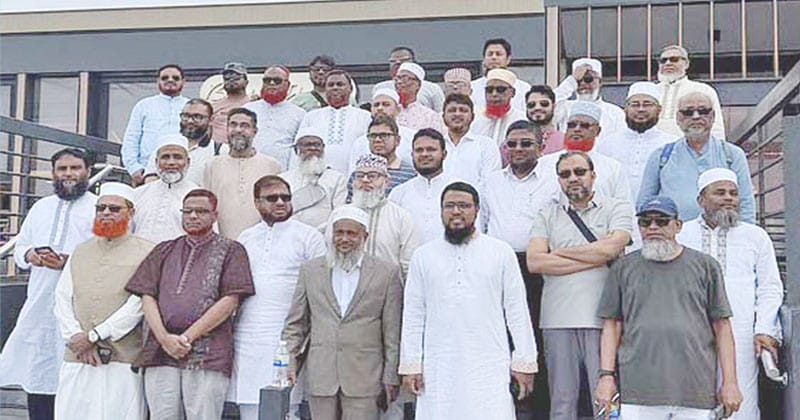
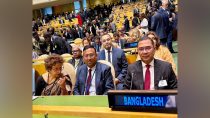
A 34-member delegation of Members of Parliament from Bangladesh Jamaat-e-Islami is currently on a 17-day tour across Malaysia, Singapore, and the Philippines, triggering political debate as it coincides with an ongoing Long March organized by an 11-party alliance led by Jamaat. Protesting gas and power shortages alongside eight core demands, the opposition movement has drawn widespread attention, leading critics to question the timing of the trip. With at least 26 MPs accompanied by family members, the total delegation size stands at 71 people, including Central Majlis-e-Shura member Mohammad Salim Uddin, former MP Major (Retd.) Mohammad Akhtaruzzaman, and writer Mr. Ziaul Haq.
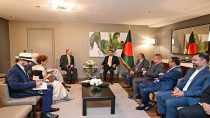
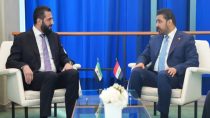
Having arrived in Malaysia in two batches on September 13 and 14, the delegation visited prominent landmarks such as the Kuala Lumpur City Centre and the International Islamic University Malaysia. On September 17, they met with Mr. Maszlee Malik, former Malaysian Education Minister and head of the International Affairs Bureau of Parti Keadilan Rakyat. Sharing his reflections on Facebook, Mr. Maszlee Malik noted that he offered insights on the challenges facing reformist political parties globally, referencing Mr. Ziauddin Sardar’s concept of Post-Normal Times while emphasizing the critical values of transparency, integrity, honesty, accountability, and listening attentively to the public as public representatives.
Transitioning to Singapore on September 17, the MPs visited Nanyang Technological University, a top-ranked institution in Artificial Intelligence, where they participated in a symposium focusing on Singapore’s developmental context. The delegation subsequently arrived in the Philippines on September 19 to visit key sites and engage with local political figures. According to their scheduled itinerary, the group will depart for Saudi Arabia on September 24 to perform Umrah, incorporating a brief layover in Bahrain to explore nearby areas before completing their religious pilgrimage and returning to Bangladesh on September 30.
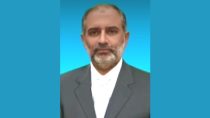
Addressing public scrutiny, Mr. Syed Zainul Abedin, a member of Jamaat’s Central Majlis-e-Shura and MP for Dhaka-4, clarified that the tour was approved by the Jamaat Ameer and formally communicated to the Speaker of the National Parliament. Defending the journey’s intent, Mr. Syed Zainul Abedin explained that many participating lawmakers had never previously traveled abroad, emphasizing that the tour aims to help them understand the historical context, current state, pathways to becoming developed nations, and the economic landscapes of advanced countries, while learning parliamentary etiquette and governance frameworks.
Jamaat sources maintained that the overseas visit aligns with a strategic framework to prepare the party for potential governance duties by broadening the exposure of its leadership. Mr. Ehsanul Mahboob Zubair, Secretary of Jamaat-e-Islami’s Publicity and Media Cell, reinforced this position by stating that as part of Jamaat’s organizational plans, many party members have traveled abroad previously. This trip is a continuation of those efforts, though this specific iteration was designed and tailored for the party’s MPs. Moving forward, the party plans similar study trips to Europe and America.
Despite Jamaat’s assertions that the trip was pre-planned to foster international relations and policy knowledge, political analysts observe that leaving the country during a high-profile national demonstration raises questions regarding the party’s priorities. Critics question whether the long march represents a substantial political effort or merely a symbolic gesture given the absence of nearly half the party’s parliamentary representation. Nevertheless, Jamaat leaders insist that diplomatic outreach and domestic political programs remain distinct, complementary components of their long-term organizational agenda aimed at institutional development.