
Eroding Confidence and Poor Management Hinder Insurance Sector
Insurance companies collect premiums by promising financial protection in times of crisis. But when customers have to wait years to receive legitimate claims, confidence in the sector suffers. In Bangladesh, around Tk 7,000 crore in life and non-life insurance claims remain unsettled.
Despite an economy approaching $450 billion, the insurance market accounts for only 0.33 percent of GDP, according to an analysis by the private research organisation Centre for Strategic and Economic Research (CSER).
The organisation attributes the sector’s limited growth to inadequate products, weak distribution networks and a lack of public awareness. However, the crisis of customer confidence remains a major concern.
Finance and Planning Minister Amir Khosru Mahmud Chowdhury has said legitimate claims must be settled within a specified timeframe. If a company lacks sufficient cash, he said, it should sell land or other assets if necessary to pay policyholders. He also said companies should not retain assets or make new investments while leaving claims unpaid.
The minister said irregularities, disorder and corruption have become deeply rooted in the sector. The government has meanwhile initiated moves to amend the Insurance Act 2010 and establish a crisis resolution framework.
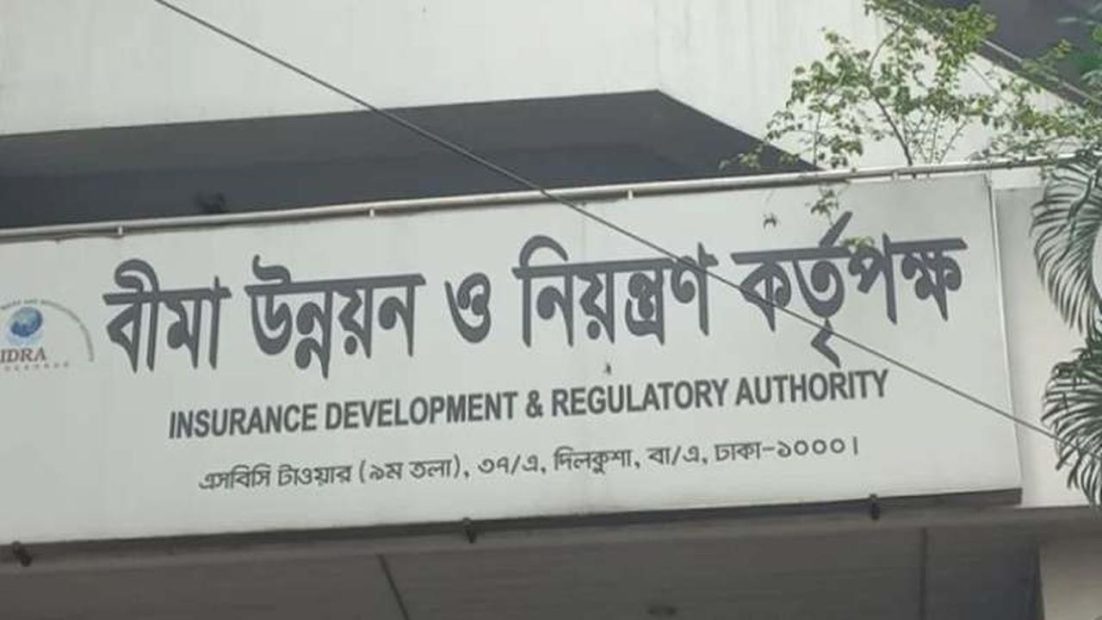
At the same time, allegations have emerged concerning the appointment and activities of Insurance Development and Regulatory Authority (IDRA) Chairman Mir Nadia Nivin. Questions have been raised about her experience and eligibility for the position, as well as alleged violations of insurance laws and regulations in appointments to various posts. The use of the controversial “walk-in interview” process has also drawn criticism.
Nadia Nivin was reportedly backed by Hafiz Ahmed Majumder, a former Awami League lawmaker from Sylhet-5 and chairman of Delta Life Insurance during the previous Awami League government. She served as an independent director of Delta Life Insurance during that period.
There are allegations that since joining IDRA, she has favoured a particular group and disregarded government decisions. She has also allegedly taken official files to her residence.
Dissatisfaction has reportedly grown among IDRA officials over her leadership. Some employees have alleged that they have been threatened with dismissal, while several senior officials have resigned amid complaints about the working environment.
IDRA Member (Law) Tanzina Ismail submitted her resignation to the Financial Institutions Division on Tuesday. A former senior district and sessions judge, she was appointed to the post for three years on December 2, 2024, with her tenure scheduled to end on December 1, 2027.
Four IDRA members were appointed for three years in December 2024. Tanzina Ismail was appointed member (Law), Apel Mahmud member (Life), Mohammad Abu Bakar Siddique member (Non-Life), and Md Fazlul Haque member (Administration). Fazlul Haque has also recently resigned.
On September 6, the authority cancelled the contractual appointment of its media and communication consultant without citing a reason, according to allegations. There are also allegations that officials have faced harassment and threats of dismissal in connection with IDRA Executive Director (Non-Life) Eidtajul Islam.
Eidtajul Islam previously served as a first secretary at the National Board of Revenue during the Awami League government. He and former NBR chairman Abu Hena Md Rahmatul Muneem have faced allegations of irregularities and corruption.
Meanwhile, a court on Tuesday ordered the freezing of 25 bank accounts belonging to the two men in connection with an Anti-Corruption Commission investigation.
Acting Judge Md Alamgir of the Dhaka Metropolitan Senior Special Judge’s Court passed the order following an ACC petition, ACC counsel Tarikul Islam said. ACC Deputy Director Saiduzzaman filed the petition.
According to the petition, the ACC is investigating allegations of illegal wealth acquisition through irregularities and corruption. It said the accounts contained suspicious and unusual transactions and that the individuals could transfer or dispose of the assets, potentially hampering the investigation.
CSER Chairman and Labaid Hospital Group Managing Director Sakif Shamim identified several structural weaknesses in the insurance sector. He said the market has many companies but remains shallow, while high commissions, operating costs and a sales-driven business model are limiting its development.
He said insurance products should focus more on areas such as health, agriculture, property and climate-related risks instead of relying mainly on new policy sales.
Health insurance, in particular, has significant potential as households bear a large share of medical expenses themselves. Mr Shamim suggested common billing systems between hospitals and insurers, electronic claim settlement and cashless treatment to reduce disputes. He also recommended online policy services, digital premium payments, electronic claims, automated verification and artificial intelligence to detect fraudulent claims. Banks, mobile financial services and digital platforms could further expand coverage among rural communities, farmers, small entrepreneurs and informal-sector workers.
Mr Shamim said restoring public confidence should be the sector’s immediate priority.