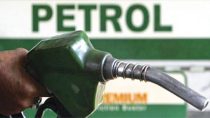
Fuel Price Hike a “Double Blow”; “If I Were an Activist, I Would Protest the Decision”: Dr Jahed Ur Rahman Instead of Pointing Fingers at the Neighbouring Country, Weaknesses in Our Own Energy Policy Must Be Addressed: Dr Khandaker Golam Moazzem Fuel Price Hike Sends Negative Shockwaves Through Stock Market, Triggering Decline
Extreme Public Discontent
The decision to increase fuel oil prices by Tk20 per litre has caused severe hardship for ordinary people across the country. The impact has been felt in transport, agriculture, fisheries, industry and the market for essential commodities. Farmers are worried about rising irrigation costs, while middle- and low-income people are facing greater pressure as their purchasing power declines. BNP Acting Secretary General Ruhul Kabir Rizvi said yesterday that despite the price hike, the government is providing substantial subsidies to the fuel sector. Meanwhile, transport fares were increased following the fuel price hike, adding to the burden on passengers.
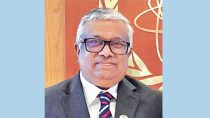
Prime Minister’s Information Affairs Adviser Dr Jahed Ur Rahman made a notable remark in this situation. Responding to a journalist’s question at a briefing at the Secretariat yesterday, Tuesday, on the progress of government activities, he said that if he were not part of the government and were an activist, he would protest the decision. He added that if it were during Hasina’s time, he would have demanded not only a protest but also her resignation.
The fuel price hike has become a major topic of discussion across the country. People are questioning the government’s decision to suddenly increase fuel prices. The negative impact of the pay rise for government employees has already been felt in the market, and the fuel price hike has come as a “double blow.” Jamaat-e-Islami, the National Citizen Party and various other political parties have staged protests and announced fresh programmes against the increase.
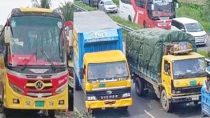
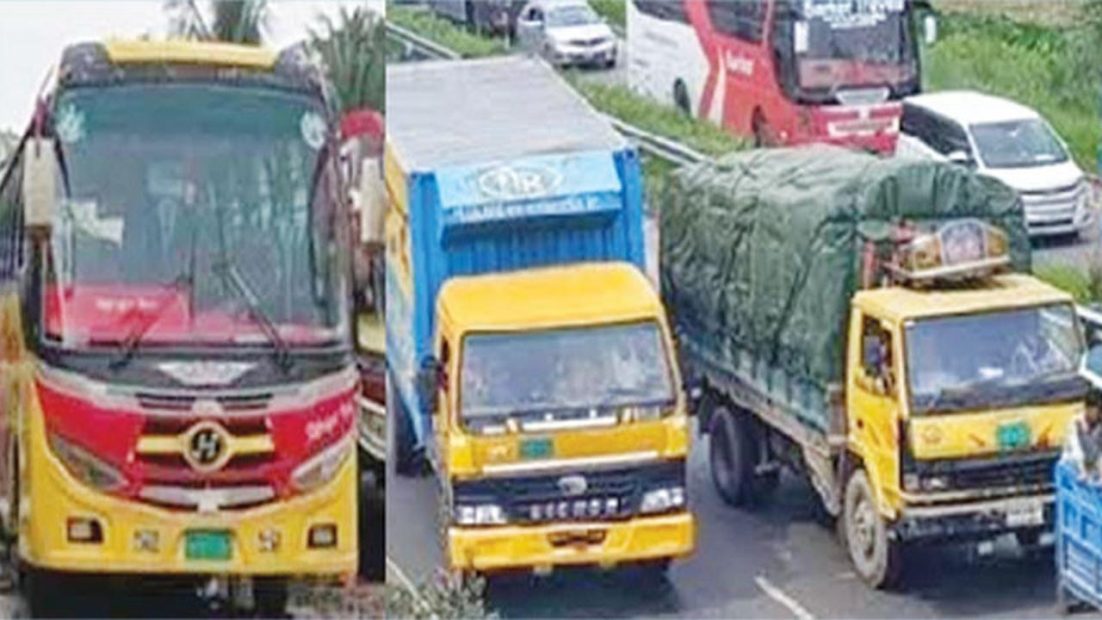
The impact has been most immediate in the transport sector. Buses, Laguna vehicles and CNG-powered auto-rickshaws are charging fares above government-fixed rates. Heated arguments between drivers, assistants and passengers have become common. Many drivers have stopped operating because they cannot cover fuel costs, leaving thousands of passengers waiting at stands during office and school hours. On long-distance routes, fares for trucks, covered vans and container carriers have increased by Tk3,000 to Tk10,000 per trip. Berth operators at Chattogram Port have also sought revisions to their existing contract rates. Transport owners say lower import and export volumes are causing vehicles to return empty while fuel costs have increased, and they fear fares may rise further.
The price hike has severely affected agriculture and fisheries. Bogura farmer Karim Mia said diesel is needed to operate shallow machines for irrigation and that the Tk20-per-litre increase would significantly raise irrigation costs. With fertiliser and pesticide prices already high, he expressed concern that farmers may not recover their costs after selling their crops.
Fisherman Sukh Ranjan Das from a coastal area said deep-sea fishing requires several hundred litres of diesel for a trawler, but they lack sufficient capital to operate at the new prices. Sultan, a trawler operator from Patuakhali, said hilsa has been scarce since the beginning of the year and they are already burdened with debt. He described the sudden fuel price increase as a “double blow” and said operating trawlers at the higher cost is no longer possible.
The price hike has also directly affected fresh markets in the capital. The cost of transporting vegetables, rice and lentils to Dhaka from northern Bangladesh and other parts of the country has increased by 20% to 30%. Prices of rice, lentils, potatoes, onions, eggs and chicken have risen significantly. Schoolteacher Rabeya Khatun said the household budget has been disrupted and that she can no longer afford fish or meat, managing instead with eggs and lentils. Wholesale vegetable trader Saidur Rahman said the transport cost for one shipment from Manikganj had risen from Tk2,600 to Tk3,500. He said the additional cost would have to be passed on to consumers and estimated that some vegetable prices could rise by around Tk10 per kilogram.
The decision also had an immediate impact on the stock market. The day after the price hike, the Dhaka Stock Exchange’s benchmark DSEX index fell by around 41.7 points, or 0.74%, to 5,550 points, while the blue-chip DSE30 index dropped 15 points. Of the 395 companies traded, shares of 252 declined, 99 rose and 44 remained unchanged. The textile sector fell 2%, paper declined 1.9%, and travel-related shares also dropped. Declines in major companies such as Walton, BRAC Bank, Beximco Pharma and City Bank pulled the market lower.
BICDA Secretary General Ruhul Amin Sikder said the Tk20-per-litre fuel price increase had raised diesel prices by 17.4%, from Tk115 to Tk135. He said container-handling charges at different stages had also been increased by an average of 9.85%. Commerce Minister Khandaker Abdul Muktadir said the government would strictly monitor the market to prevent abnormal price increases. However, traders said vegetable prices had already risen by Tk5 to Tk10 per kilogram within a day, with no visible government monitoring.
Energy expert M Shamsul Alam expressed concern about the impact of the price hike, saying a decline in purchasing power could affect the revenue or subsidy-related benefits the government expects from the fuel sector. Economists said the impact would extend beyond commodity markets, as rising transport, agricultural, production and supply costs would increase household expenses, particularly for low-income families.
Political and social figures have also reacted strongly. At a protest, Jamaat Secretary General Golam Parwar told Prime Minister Tarique Rahman that fuel prices had been increased three times in seven months and questioned how the government would remain in power for five years if prices continued to rise. Islami Andolan Bangladesh Ameer Mufti Syed Muhammad Rezaul Karim said the sudden increase had put ordinary people in extreme difficulty.
AB Party General Secretary Asaduzzaman Fuad criticised the decision, saying the government should have assessed its social and economic impact beforehand. Professor Dr Mohammad Lutfur Rahman of Jahangirnagar University said the decision would increase production costs across almost every sector and directly push up food prices. He said daily wage earners and private-sector workers would be among the hardest hit amid high inflation and declining purchasing power.
State Minister Anindya Islam Amit said the price was also increased because of the risk of fuel smuggling to a neighbouring country. CPD researcher Dr Khandaker Golam Moazzem told Inqilab that the smuggling risk was not unfounded but was not the main reason for the hike. He said Bangladesh should address weaknesses in its own energy policy instead of pointing fingers at neighbouring countries.
Bangladesh Chamber of Industries President Anwar-ul Alam Chowdhury said the increase would affect people, businesses and industries by raising inflation, production and transport costs, potentially forcing businesses to scale down operations or lay off workers. Revolutionary Communist League General Secretary Iqbal Kabir Zahid alleged that the government was implementing prescriptions from the World Bank and IMF under the pretext of international market conditions or war and shifting the burden onto ordinary people.
Economic analyst and business representative Parvez Ahmed expressed concern that commodity prices could become uncontrollable and that job losses and business closures could follow, making it difficult for the government to fulfil its employment-creation promise.
Protests have been held in Dhaka, Chattogram, Sylhet, Khulna, Mymensingh, Rangpur, Cumilla and Barishal. Protesters warned of tougher and broader movements if the increased prices were not withdrawn immediately.
Dr Khandaker Golam Moazzem recommended restoring a market-based automatic fuel pricing mechanism and strengthening monitoring to prevent overcharging of fares. Otherwise, high inflation, declining purchasing power and social discontent could deepen further.