
US Waives 100% Tariff on Specialised Medicines from Bangladesh and 19 Other Countries
The United States has granted a 100% tariff exemption on certain specialised medicines and related products imported from Bangladesh and 19 other countries and jurisdictions. As a result, these products will be allowed to enter the US market without the additional 100% import tariff if they meet the specified conditions. The exemption took effect on Tuesday, September 29, the same day the United States’ new pharmaceutical tariff regime came into force.
The US Department of Commerce’s Bureau of Industry and Security (BIS), in a notice published in the Federal Register, listed the countries and products eligible for the tariff exemption. The list includes Bangladesh, India, Argentina, Cambodia, Ecuador, El Salvador, the European Union, Guatemala, Indonesia, Japan, Jordan, Malaysia, North Macedonia, South Korea, Switzerland and Liechtenstein, Taiwan, Thailand, the United Kingdom and Vietnam.
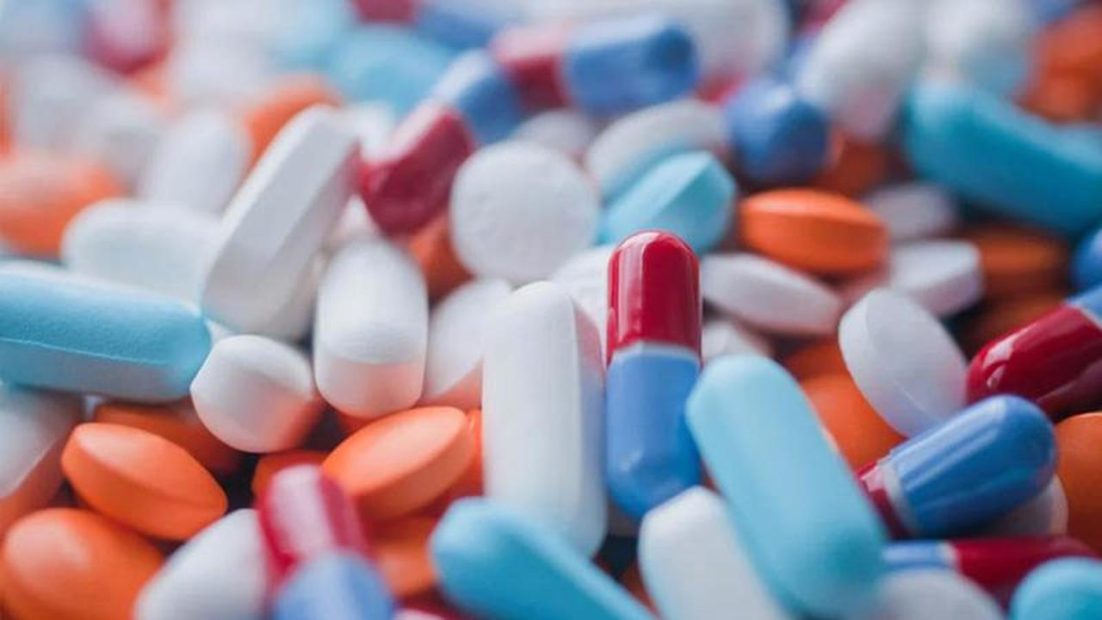
However, the exemption does not apply to all medicines exported to the United States. Products covered by the tariff exemption include medicines used to treat rare diseases, nuclear medicines, plasma-derived medical products, fertility medicines, cell therapies, gene therapies, antibody-drug conjugates, and certain medical products used to address chemical, biological, radiological and nuclear threats. Certain medicines and related products used in veterinary treatment are also covered.
Earlier, on April 2, President Donald Trump announced a decision to impose a 100% “Ad valorem” tariff on imports of certain patented pharmaceutical products and related products. The US administration argued that the large-scale import of medicines from abroad was harming US national security and domestic production capacity. It therefore moved to use import tariffs as a means of bringing pharmaceutical production back to the United States.
Under the new provisions, the 100% tariff primarily applies to certain patented medicines and related products. Generic medicines and related products are not currently subject to the 100% tariff. Therefore, the impact of the new tariff regime on Bangladesh’s pharmaceutical exports will depend on whether a particular product is patented or generic.
The US Department of Commerce said the tariff exemption system is primarily intended for countries with existing or future trade and security framework agreements with the United States. At the same time, certain specialised medicines that meet urgent US healthcare needs may also be separately approved for tariff exemption. For this, the relevant companies will have to submit the necessary information and justification to the US Department of Commerce.
The effective date of the new tariff regime also varies by company. According to the US announcement, the 100% tariff took effect for certain companies as early as July 31. For other companies, it took effect on September 29. As a result, from Tuesday, the new tariff rate has applied to other relevant patented pharmaceutical products apart from the specialised products listed for exemption.
The decision is significant for Bangladesh’s pharmaceutical export sector. The country has long been expanding its capacity to manufacture and export generic medicines, while the United States is one of its important potential markets. The tariff exemption for specialised medicines and related products could reduce the additional tariff burden for Bangladeshi exporters seeking access to the US market. However, which Bangladeshi products will qualify for the exemption will depend on the type of product, its origin and US tariff classification.
The main objective of the new US policy is not merely to collect tariffs but also to encourage foreign pharmaceutical manufacturers to establish production facilities in the United States. Trump’s announcement outlined plans to reduce imports of patented pharmaceuticals and related products while increasing domestic production in the United States. Separate tariff incentives have also been provided for companies that meet specific conditions and plan to establish production facilities in the United States.
As a result, from September 29, the United States has imposed a 100% tariff on certain patented pharmaceutical products while exempting a portion of specialised medicines from Bangladesh and 19 other selected countries and jurisdictions. This could create new opportunities for Bangladesh’s pharmaceutical industry to export specialised products, while the impact of the current tariff policy on generic medicines is expected to remain relatively limited.