War in the Gulf
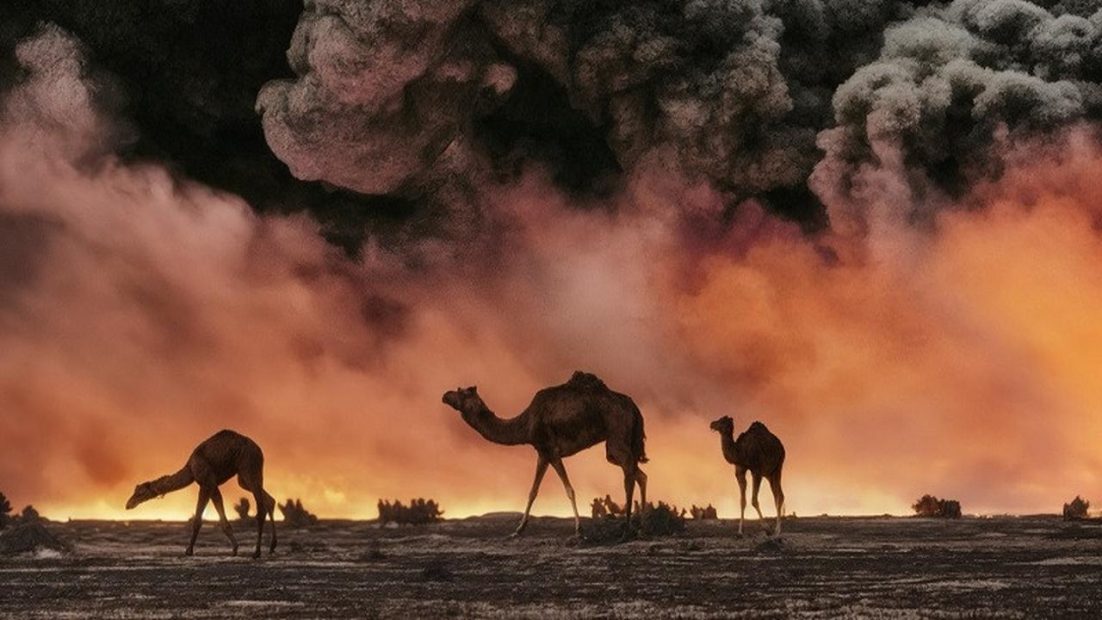
The war imposed on Iran by the United States and Israel this year has failed to achieve its desired objectives. Its stated aim was to prevent Iran from developing nuclear weapons, although Iran had already kept its civilian nuclear programme under the supervision of the International Atomic Energy Agency (IAEA) and agreed to a nuclear deal in 2015.
In 2018, US President Donald Trump withdrew the United States from the deal and subsequently pursued a policy of “maximum pressure” against Iran. According to experts, the attack on Iran under the pretext of its nuclear programme was essentially an excuse for regime change, with roots extending much deeper.
In June 2025, while negotiations for an agreement were underway, Israel attacked Iran, triggering a 12-day war. Then, on February 28 this year, the United States and Israel launched a joint attack on Iran, killing members of its top leadership and carrying out airstrikes on various facilities for 40 consecutive days. Iran has maintained its status as a member of the Treaty on the Non-Proliferation of Nuclear Weapons (NPT) and has claimed that it is not developing a nuclear bomb.
By 2020, many Arab countries had joined the Abraham Accords, or peace agreements. Following Hamas’s attack on Israel in October 2023, Tel Aviv began bombing Gaza. After weakening Hamas and Hezbollah, Israel moved forward with the goal of establishing a “Greater Israel” and identified Iran as its main obstacle. After failing to overthrow the Iranian government, Israeli Prime Minister Benjamin Netanyahu persuaded Trump to launch the February war.
After the abduction of Venezuelan President Nicolas Maduro in January and the subsequent fall of his government, as well as the stoking of protests over inflation in Iran, Trump became confident. US and Israeli leaders believed that Iran’s regime could be eliminated within days. However, they failed to destroy Iran’s long-range missile programme, although they did weaken the country’s resistance capabilities to some extent.
Gradually, the conflict has also proved disastrous for the United States. Iran has survived the intense assault, while cracks have emerged in US-Israel relations. Gulf countries have become disillusioned with America’s security guarantees, US bases in the region have effectively been destroyed, and the perception of US military invincibility has been shattered.
Meanwhile, the dispute over the Strait of Hormuz continues. Iraqi insurgents have targeted Saudi Arabia’s East-West oil pipeline, while Yemen’s Houthis have attacked Saudi cities and oil facilities. The Bab al-Mandab Strait now also faces the risk of being closed. Rising oil prices have shaken Gulf economies. Pakistan, Saudi Arabia and Türkiye have entered into a joint defence arrangement for collective security.
Israel’s parliamentary election is scheduled for October 27, while the US midterm congressional election will be held on November 3. Against this backdrop, Washington is considering returning to the June memorandum of understanding brokered by Pakistan or launching another military attack. Given the outcomes of previous military attacks, another conflict is unlikely to produce a different result.
A solution to the Iran war lies in diplomacy. Pakistan and Qatar must continue their peace efforts, while China should play a mediating role. After mediating the normalisation of relations between Iran and Saudi Arabia in 2023, China should put pressure on Washington over the futility of military aggression against Iran.