

Gulf Oil Exports Recover Through Alternative Routes Bypassing Hormuz
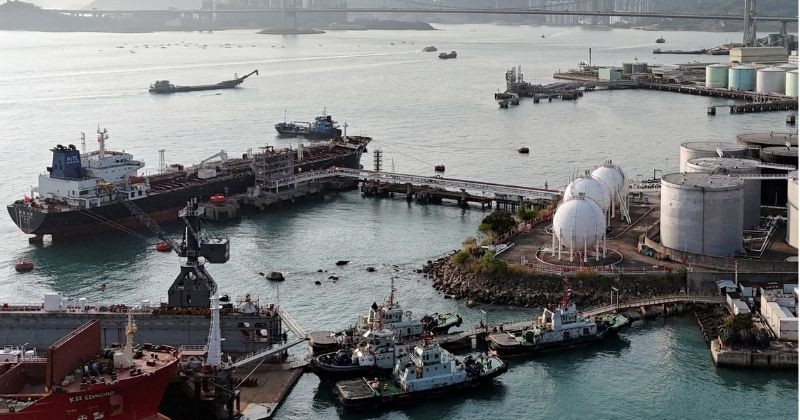
Seven months after the Strait of Hormuz was effectively blocked, crude oil exports from the Gulf countries in the Middle East, excluding Iran, have returned to pre-conflict levels. The trend was highlighted in a recent report by data analytics firm Kpler. According to Kpler, the region’s daily oil exports reached at least 16.5 million barrels in September, matching pre-war levels. However, while overall export volumes have recovered, the supply system and export routes have undergone major changes.
In a statement on social media, Kpler said the conflict had forced major changes in regional oil transport routes. Before the conflict, only 17 percent of crude oil was shipped through routes that bypassed the Strait of Hormuz. Now, nearly 40 percent of the oil reaches global markets without passing through the strait, as Saudi Arabia and the United Arab Emirates have increased their use of domestic and alternative pipeline networks.
Meanwhile, ships that continue to use the Strait of Hormuz are also following different methods. According to Kpler, more than 70 percent of the crude oil that passed through the strait in August was transferred from one tanker to another offshore. Kpler analysts said, “Although the volume of oil exports in the Gulf region has returned to previous levels, it is being handled through a completely different and new export structure.”