Arab Parties Win 19 Knesset Seats, but Can They Oust Netanyahu?
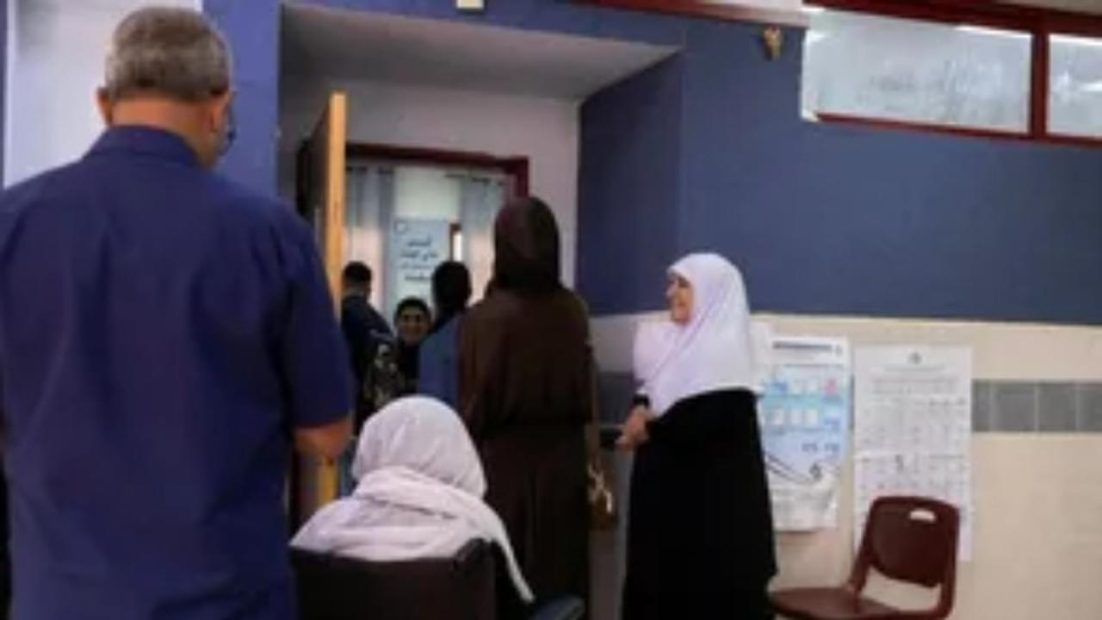
Despite projections that Arab parties will win an unprecedented 19 seats in Israel’s parliament, the Knesset, Palestinian and Arab citizens of the country remain deeply sceptical. Arab voters turned out in record numbers to oust the government of far-right Prime Minister Benjamin Netanyahu. However, questions remain over whether those seats will be enough to end his rule amid Israel’s complex political landscape.
Preliminary vote counts show Netanyahu’s right-wing coalition falling short of the 61 seats needed for a parliamentary majority. Meanwhile, the opposition bloc led by Gadi Eisenkot and the Arab parties have a combined total of around 67 seats, enough to form a government. Against this backdrop, the Arab parties have emerged as key players in determining who forms the next government.
However, several factors have fuelled doubts among Arab voters and political circles.
Hesitation among Jewish opposition parties: Mainstream opposition leaders, including Eisenkot, pledged during the election campaign not to form a formal government with Arab parties. They fear a backlash from right-wing Jewish voters if they accept direct support from the Arab parties.
Netanyahu’s hardline campaign: Netanyahu has portrayed any attempt to form a government with Arab parties as tantamount to treason, putting intense pressure on Jewish opposition parties.
Internal divisions among Arab parties: While the Joint List has proposed working with Eisenkot to oust Netanyahu, Mansour Abbas’s Ra’am party has kept its options open.
Although the Arab parties’ 19 seats have made Netanyahu’s path to power more difficult, Israel’s political future will depend on whether opposition parties openly form an alliance with them or the country once again faces political deadlock and another election.
Source: Haaretz