Bangladesh doubles power transmission capacity on existing lines: reports US
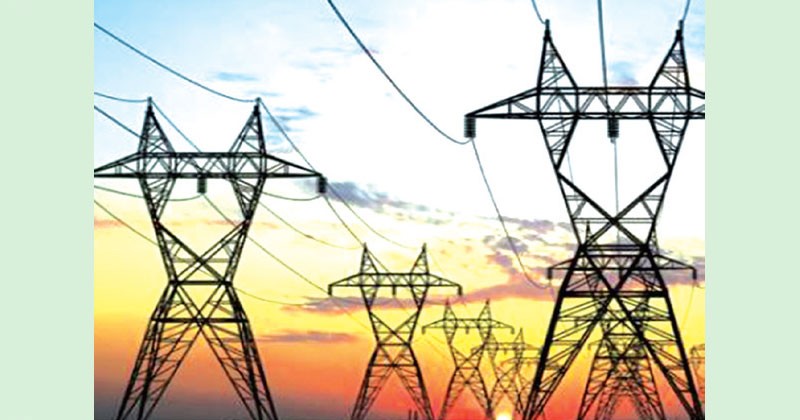
Bangladesh has made notable success by using its existing system instead of building new transmission lines. The country has nearly doubled the power carrying capacity of a 132 kV transmission line by installing an advanced conductor. At the same time, it has cut power loss on the way by 25 to 30 percent. The US based Rocky Mountain Institute (RMI) highlighted this success in its report titled “Locking in Prosperity”.
The report presents the Bangladesh effort as a notable example in its section on improving power transmission. It says Bangladesh has set a real example of how to create extra capacity from existing infrastructure. The country avoided long delays, extra cost and land acquisition problems that come with new lines. It reached this result by upgrading the existing line.
According to RMI, Bangladesh’s power generation capacity grew three times between 2009 and 2017. In the same period, the length of transmission lines grew by only 30 percent. This created a limit in the system for carrying the power produced. A study of the transmission system named the Mymensingh Jamalpur corridor as a new 132 kV bottleneck.
In this situation, the Power Grid Company of Bangladesh (PGCB) chose to change the conductor on the existing line. It did not build a new line. The company used a modern Aluminium Conductor Composite Core conductor in place of the usual wire. This nearly doubled the capacity of the existing transmission system.
The report says PGCB’s 2016 Optimal Transmission Development study named several such limited corridors. As part of that plan, PGCB installed the new conductor over more than 330 kilometres of the existing double circuit 132 kV line between Mymensingh and Jamalpur. The towers and the land and path of the line stayed the same. Capacity still went up.
PGCB invited competitive tenders for the whole work, including supply, installation, testing and commissioning. In May 2020, it gave the contract to the FJEC FEPEC joint venture. Power China Fujian Engineering Company Limited took part in the engineering, procurement and construction (EPC) work. The conductor maker was Apar Industries of India.
The special feature of this effort is the full use of the existing system, without the long process of new construction. The same report also mentions an effort in Colombia. The country created more than 300 megawatts of extra capacity on an existing 220 kV circuit with advanced power flow control technology. It invested about $30 million to install 21 SmartValves there.
In the United States, a power supplier named AS raised capacity on 345 kV lines by an average of 43 percent using sensors. It installed 42 sensors on five lines in less than two weeks. But the report says Bangladesh’s result stands apart. It nearly doubled capacity by only changing the conductor of a usual line. It also cut power loss by 25 to 30 percent. Bangladesh raised capacity and improved the efficiency of power transport using the same towers and land.
The report also includes a statement from Mr. Yakub Elahi Chowdhury, Executive Director of PGCB. He said Bangladesh is using this kind of modern conductor in its most important projects. According to the RMI report, upgrading existing lines can add large capacity. It also avoids the time, cost and approval problems of new lines. The Mymensingh Jamalpur project is a real example of this. The international report counts the Bangladesh effort as a model worth following in improving power transmission.