Bangladesh Faces Embarrassing World Record Over Inactive Information Commission
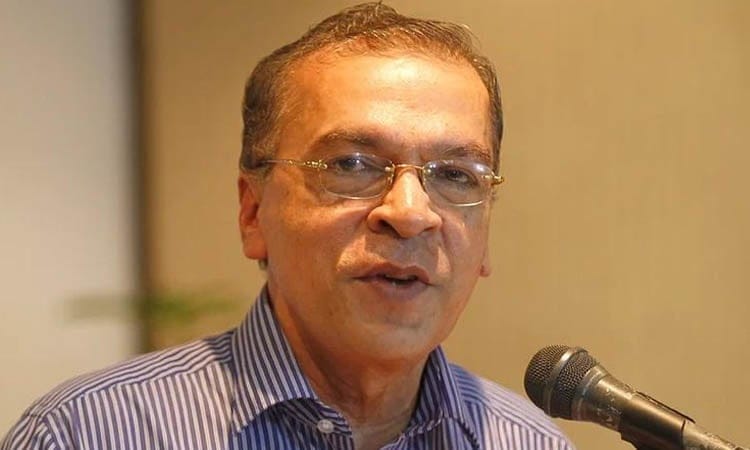
Bangladesh faces an embarrassing world record due to the absence of the Information Commission for two years and two months despite explicit legal mandates, stated Dr. Iftekharuzzaman, Executive Director of Transparency International Bangladesh (TIB). Speaking at the Right to Information Conference held yesterday at Farmgate to mark International Right to Know Day 2026, he highlighted that no other country has such a precedent. He questioned the disparity, asking, ‘What happens when the government itself violates the law, given that ordinary citizens face trial and punishment for legal infractions?’ He urged forming the commission based on qualifications rather than political considerations or rehabilitation for retired officials.
Addressing the government’s dual administration delays, Dr. Iftekharuzzaman noted that TIB had repeatedly requested the former interim government to constitute the commission, yet seven months have passed under the current government without progress. He emphasized that incorporating provisions to curb misinformation under the guise of amending the Right to Information Act is inappropriate, as public access must not be restricted under the pretext of tackling disinformation. Organizers and speakers at the event, including Shahin Anam, Convener of the Right to Information Forum and Executive Director of Manusher Jonno Foundation, reiterated that operating without an Information Commission for over two years constitutes a direct violation of statutory law.
Presenting the findings of the Right to Information Survey 2026, lead researcher Ananya Raihan reported that while public awareness and information request rates slightly increased from 2019 to 2025, systemic responsiveness declined sharply. The acknowledgment rate for information applications dropped significantly from 75.4% in 2019 to 43.8% in 2025. Furthermore, positive experiences in obtaining information, awareness of statutory deadlines, and direct engagement with Union Parishads all registered a downward trend. The survey underscored that overcoming these administrative shortcomings and making the right to information effective requires an immediate, fully functional, and genuinely independent Information Commission.
Senior Supreme Court Advocate Barrister Sara Hossain highlighted the social barriers hindering public engagement with transparency mechanisms. She noted that many citizens hesitate to utilize the Right to Information Act due to fear and apprehension of retaliation, with safety risks being particularly severe for poor, marginalized, and powerless populations. Additionally, a lack of transparency within regulatory frameworks creates reluctance among non-governmental organizations to disclose information. To resolve these challenges, Barrister Sara Hossain stressed that untrained information officers must immediately receive proper training and the Information Commission must be activated without any further delay.
Stressing the international dimension of governance standards, Camilla Partika, First Secretary of the EU Delegation, stated that the right to information serves as a vital cornerstone of transparent, accountable, and participatory governance. Reflecting on seventeen years since the enactment of the Right to Information Act 2009, she noted that while over 72% of citizens express a need for information, slightly over 10% are aware of the law. Moderated by MRDI Executive Director Hasibur Rahman, the conference was also addressed by Civic Engagement Fund Team Leader Adi Walker and Information Commission Secretary Md. Shah Alam, called for urgent institutional capacity building.