
Delhi’s ‘Chanakya Policy’ and Neighborly Responsibility
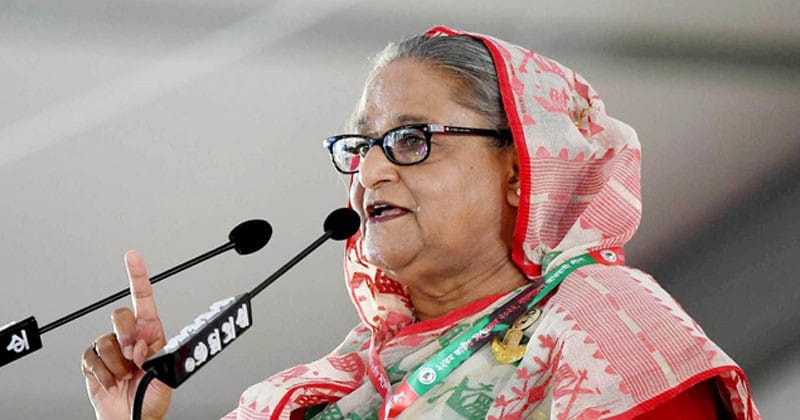
Bangladesh’s relations with India have entered a new phase of tension following PM’s Information and Broadcasting Adviser Dr. Zahed Ur Rahman’s remark that “friends can be changed, neighbors cannot be.” The statement has triggered widespread debate across social media and political circles, with many interpreting it as a reference to India even though the adviser did not mention India. The controversy has emerged at a time when bilateral relations are already under strain over the issue of former Prime Minister Sheikh Hasina’s political activities from Indian soil. The immediate source of the diplomatic dispute was India’s decision to allow Sheikh Hasina, who has been sentenced to death in Bangladesh, to deliver a virtual speech from New Delhi. The speech was widely perceived in Bangladesh as anti-Bangladesh and politically provocative. Dhaka responded by lodging a strong diplomatic protest, with the Ministry of Foreign Affairs using unusually firm language in its communication with New Delhi.
The issue has also generated debate within India. Several Indian media editorials reportedly questioned the role of New Delhi’s South Block in permitting the event despite Bangladesh’s objections. Analysts argued that allowing Sheikh Hasina to make political statements from Indian territory could have serious consequences for bilateral relations. South Asia expert and researcher Radha Dutta has warned that Sheikh Hasina’s provocative political statements while staying in India could cause long-term damage to Bangladesh-India ties. According to her, Indian authorities should have exercised greater control over political activities conducted from Indian soil, particularly when such activities directly affect relations with a neighboring country.
The controversy has revived a broader debate in Bangladesh over whether India has prioritized its relationship with Sheikh Hasina rather than with the Bangladeshi people. Critics argue that New Delhi’s close ties with Hasina during her 15 years in power contributed to growing public resentment in Bangladesh. They claim that this approach has weakened trust between the two countries. The proverb ‘friends can be changed, neighbors cannot be changed’ has therefore become a political issue. Opponents of the adviser’s statement argue that geographical proximity alone does not guarantee healthy relations. They point to historical disputes involving Kashmir, Junagadh, and Sikkim, as well as India’s strained relations with several neighboring countries, including Pakistan, China, Nepal, and the Maldives. Another issue highlighted in the debate is Bangladesh’s extradition request for Sheikh Hasina. Critics compare the current situation with Bangladesh’s decision under the 2012 prisoner exchange agreement to hand over ULFA leader Anup Chetia to India after he had spent years in a Bangladeshi prison. They argue that India has repeatedly declined Bangladesh’s requests to extradite Hasina and instead allowed her to continue political activities from Indian territory.
Political analysts in Bangladesh claim that India is attempting to maintain influence in Dhaka through what they describe as the ‘Hasina card’. According to them, New Delhi is concerned about Bangladesh’s expanding engagement with China and Pakistan, including its participation in the China-Myanmar-Bangladesh Economic Corridor. They argue that India’s strategic approach reflects a ‘Chanakya policy’- a reference to the ancient Indian strategist Chanakya and a diplomatic style perceived as driven by power politics and strategic calculation. The debate intensified further after reports emerged that Parag Jain, head of India’s external intelligence agency RAW, visited Dhaka shortly after the diplomatic dispute. His visit attracted significant attention because of longstanding allegations in Bangladesh regarding India’s alleged involvement in the 2009 Peelkhana mutiny, in which 58 Bangladeshi army officers were killed.
Although no official investigation report has been publicly released, a commission formed after the fall of Sheikh Hasina’s government reportedly collected testimony from multiple witnesses. The commission’s chairman, retired Major General ALM Fazlur Rahman, publicly stated that Indian intelligence agencies, along with Awami League leaders, had involvement in the Peelkhana killings. These allegations remain highly controversial and have not been independently verified, but they have increased public curiosity about the purpose of the RAW chief’s visit to Dhaka. Bangladesh had reportedly requested through diplomatic channels that India prevent Sheikh Hasina from delivering a speech on August 5, a date observed in Bangladesh as a state holiday. According to Bangladeshi officials, the Indian side responded that the event was being organized by a private organization and that the government was not directly involved. Critics in both Bangladesh and India questioned whether such an event could have taken place without official approval.
PM’s Information Adviser Dr. Zahed Ur Rahman later said that he was not directly aware of the discussions held between the Bangladeshi prime minister and the Indian High Commissioner. However, he indicated that Bangladesh had presented its concerns to India in a very strong manner. He also acknowledged that many people in Bangladesh believe Sheikh Hasina’s government was able to maintain power through a close connection with India, a perception that continues to influence public attitudes toward bilateral relations. Meanwhile, Indian PM Narendra Modi has reportedly invited Bangladeshi PM Tarique Rahman to attend the BRICS summit in New Delhi in September. However, following the recent diplomatic tensions, political observers believe the prospects of such a visit have become increasingly uncertain.
Political analyst Ashraf Kaiser said that Bangladesh’s relationship with India is shaped by two major historical realities: India’s support during the 1971 Liberation War and its alleged support for Sheikh Hasina during her years in power. He argued that rebuilding trust would be difficult unless public grievances over the previous government’s rule are addressed. The current dispute has highlighted the growing complexity of Bangladesh-India relations. While the two countries remain important neighbors with deep historical, economic, and security ties, the controversy surrounding Sheikh Hasina’s activities in India and the debate over India’s perceived Chanakya policy have intensified public discussion over sovereignty, diplomacy, and the future direction of bilateral relations.