Dhaleshwari River Faces Renewed Navigability Crisis, Threatening Agriculture and Trade
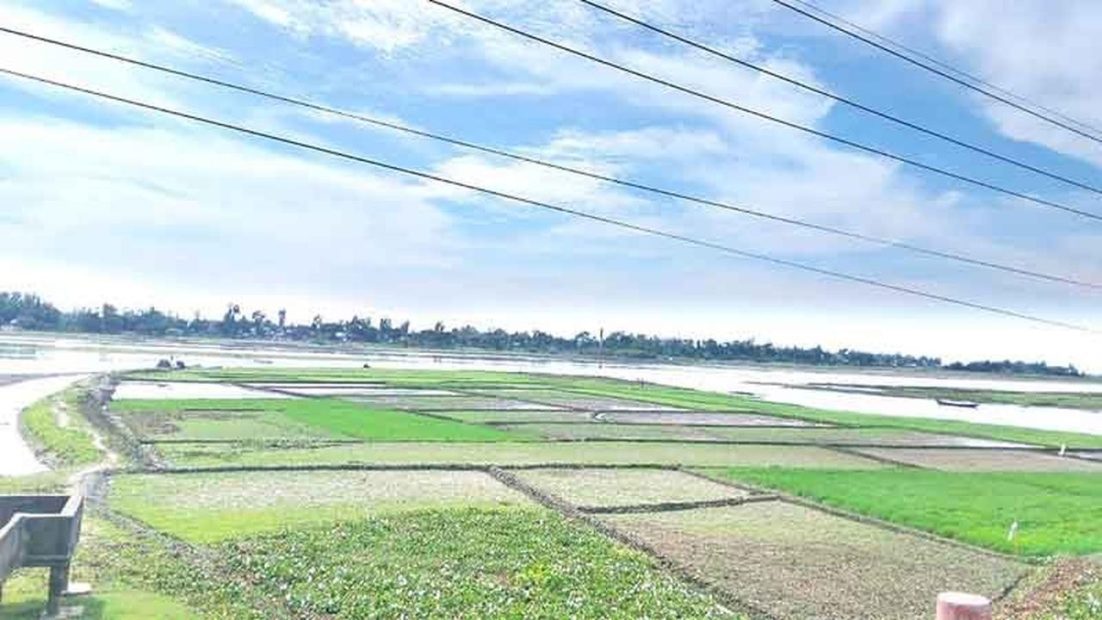
The Dhaleshwari River is an important waterway in the haor region of Kishoreganj. It plays a vital role in agriculture, fishing, goods transportation and communication for residents of Ashtagram upazila. However, less than a year after dredging, silt and sand have accumulated in several sections of the river, creating submerged sandbars and reducing its navigability.
The situation is disrupting the natural flow of water and raising concerns over agricultural activities and local trade ahead of the upcoming Boro season. Local residents alleged that despite the huge expenditure on dredging, the expected benefits have not been achieved because of a lack of long-term planning and regular maintenance. Silt began accumulating in different sections soon after the dredging, raising questions about the effectiveness of public spending.
Explaining the reasons behind the rapid silting, Mohammad Shariful Islam, sub-assistant engineer of the Bangladesh Inland Water Transport Authority (BIWTA), said large amounts of silt and sand enter the river through various canals from upstream areas near Banglabazar, carried by flash floods and strong currents from the hills.
He said the sediment accumulates at the river’s entrance, rapidly reducing its navigability. According to him, a survey conducted by consultants found that the river has a sedimentation rate of nearly 300 per cent. He added that observations over the past one to two years showed that silt accumulated again in many places within a month of dredging.
He said regular dredging over an extended period was necessary to keep such rivers navigable. However, maintaining the operation throughout the year is difficult because of the large financial costs and shortage of manpower.
Meanwhile, Kamrul Hasan Babu, general secretary of the environmental and social organisation Haoranchalbashi Dhaka, has called for dredging rivers in the haor region under a comprehensive plan rather than treating them separately.
He said, “The nature and flow of the rivers in the haor region are interconnected. Water flowing down from the hills passes through the haor and eventually reaches the sea. Therefore, dredging a river in isolation is unlikely to produce the desired results.”
He also said dredging work was being carried out in different rivers, canals and tributaries, and attempts were being made in some places to change river courses without adequate scientific research and surveys. Such activities could have negative effects on the overall river system.
Kamrul Hasan Babu further said that the entire haor region should be treated as an integrated river basin and subjected to extensive scientific research to protect its waterways. Research should determine where dredging is necessary, where natural river courses must be preserved and where human intervention should be avoided. He stressed that it was time to stop unplanned dredging and adopt environmentally friendly, long-term plans.
Local farmers are particularly concerned about the river’s deteriorating condition. Cultivation of Boro rice, the main crop of the haor region, will begin soon. The Dhaleshwari River is one of the major sources of irrigation water for agricultural land across Ashtagram and surrounding areas.
However, falling water levels and the emergence of sandbars in several sections have raised fears of disruptions to irrigation. If the river cannot maintain sufficient water levels, irrigation pumps dependent on it may become difficult to operate. As a result, Boro rice production on thousands of acres of farmland could be at risk.
The decline in navigability is also affecting fisheries. Disruption of the natural water flow could damage the movement, breeding and safe habitats of native fish species. This threatens both local fish resources and the livelihoods of fishermen who depend on the river.
The Dhaleshwari River is equally important for trade and communication in Ashtagram. For years, waterways have served as a relatively low-cost means of transporting goods from Bhairab to Ashtagram Bazar, Kastul Bazar and other areas.
However, submerged sandbars in different sections are obstructing the movement of large cargo trawlers and other vessels. Many boats can no longer reach their usual landing points directly. As a result, transportation time and costs are increasing, affecting traders and ordinary consumers alike. Passengers are also facing difficulties travelling by river.
Local elderly farmers, traders and concerned citizens said the livelihoods of people in the haor region were closely connected to its rivers. Failure to restore the river’s navigability could have long-term negative effects on agricultural production, fisheries, goods transportation and the local economy.
They have therefore called for a comprehensive plan to restore the Dhalesswari River rather than relying solely on dredging. The plan should identify the river’s sources, natural water flow and the causes of sediment accumulation.
They have also urged the relevant government authorities to take immediate measures before the upcoming Boro season to prevent further disruption to agriculture and local livelihoods.