UN WARNING
Failure to Act Now on El Niño Could Double the Cost Later
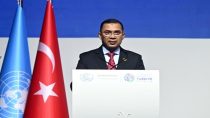
Amid disagreements among delegates over climate finance at the ongoing COP31 conference in Türkiye, the head of the United Nations Development Programme (UNDP) has issued a stern warning. On Friday, he said immediate action was needed to tackle the devastating effects of El Niño, warning that failure to act now would double the cost in the future.
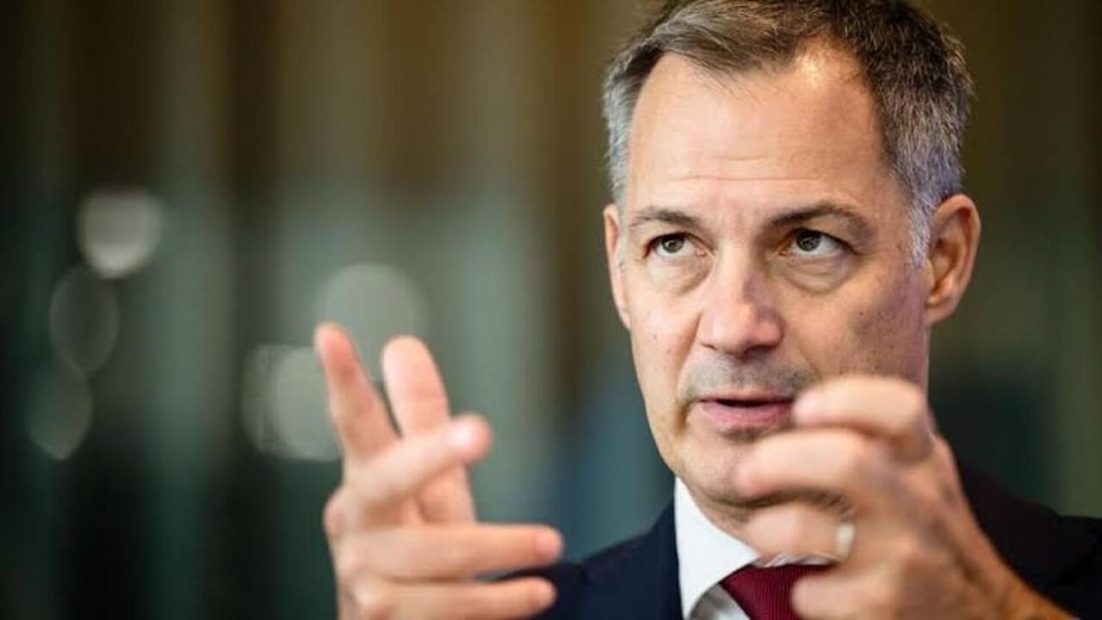
In an interview in the Turkish tourist city of Antalya, UNDP chief Alexander De Croo said addressing the effects of El Niño now would require $36 billion. However, if action was delayed, the cost would rise to $73 billion, nearly double the amount.
El Niño occurs when the waters of the Pacific Ocean warm up every two to seven years, disrupting normal global wind patterns and rainfall. The unusually strong El Niño cycle this time has already dealt a major blow to economies around the world.
Mr. De Croo warned that taking no action could be the most expensive climate policy decision. He also urged major institutions such as the International Monetary Fund (IMF) to help vulnerable developing countries recover from the crisis.
Developing countries are demanding greater financial support from wealthy nations that have historically been responsible for global warming. However, Mr. De Croo acknowledged that governments in rich countries are also struggling with heavy debt burdens and the costs of war.
Nevertheless, he argued that vulnerable countries have had no time to recover from one crisis before being hit by another. He cited the Covid-19 pandemic, the war in Ukraine, the closure of the Strait of Hormuz and now El Niño, alongside the rising cost of borrowing at high interest rates.
A United Nations report published this week, citing the African Development Bank, estimated that losses in the region could range from $10 billion to $20 billion. Meanwhile, the UN Economic Commission for Latin America and the Caribbean forecast that the region’s overall GDP would decline by at least 2 per cent over the next three years, pushing another 4.8 million people below the poverty line.
As Mr. De Croo called for policy reforms to reduce capital expenditure and accelerate adaptation investments in 47 partner countries, discussions on the sidelines of the Antalya conference raised fresh questions about long-term global climate leadership.
Meanwhile, a separate report said China had decided not to host the UN’s annual climate conference in 2028 after considering the matter for several months. Sources familiar with the issue, speaking on condition of anonymity, disclosed the decision at the COP31 conference on Friday.
Beijing’s decision has opened the way for another country in the Asia-Pacific region to host COP33, as the conference is scheduled to be held in that region under the rotation arrangement. India had withdrawn its offer to host the conference last April without giving any reason. South Korea, however, has previously expressed interest in hosting it.
Asked about the report, first published by British newspaper The Guardian, a spokesperson for China’s Foreign Ministry said he was unaware of the matter. He added, however, that China remained committed to advancing the global green and low-carbon transition.