BNP, Jamaat and NCP Gear Up for Five-Phase Elections in 4,580 Union Parishads Nationwide
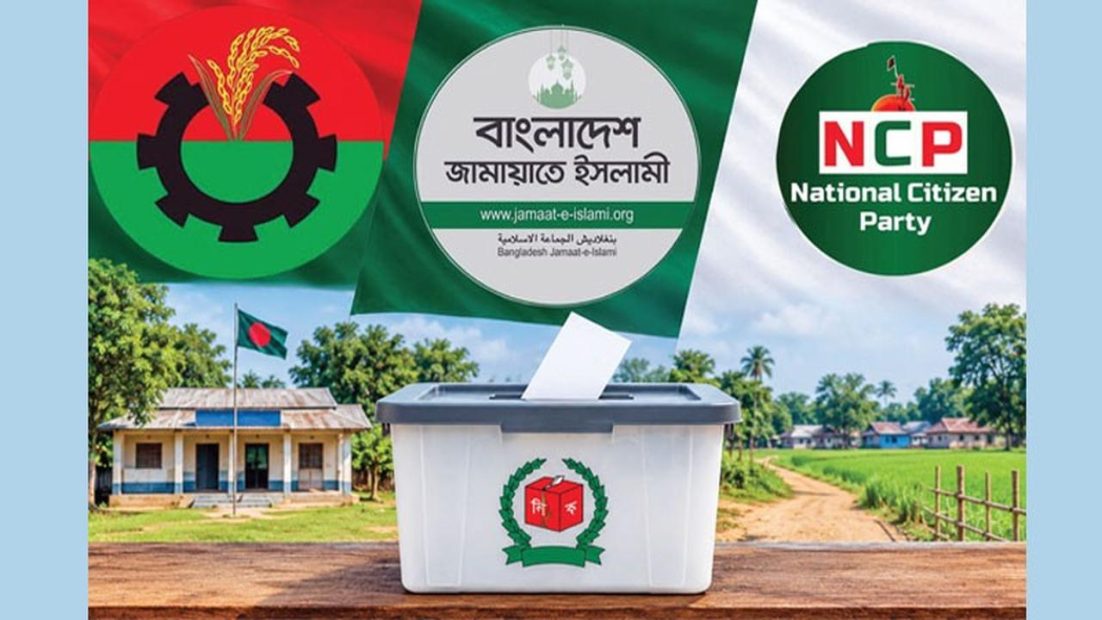
The Election Commission (EC) has announced that elections to 4,580 Union Parishads (UPs) across the country will be held in five phases. The first phase of voting will take place on January 21 next year, followed by the second phase on February 4, the third on April 29, the fourth on May 13 and the fifth on May 27.
Election Commissioner Abul Fazl Md. Sanaullah announced the schedule at a press briefing following an EC meeting on August 6. Earlier, on September 14, the commission had announced a tentative timeline for the UP elections, initially planning to hold the polls in seven phases beginning November 12. However, after reviewing the schedule with the government in view of school examinations and the month of Ramadan, the EC announced new dates.
After completing the Union Parishad elections, the commission will gradually organise elections to upazila parishads, municipalities and city corporations. According to the announced schedule, the process for the first phase of elections will begin in just two months. Political parties, including the ruling Bangladesh Nationalist Party (BNP), the opposition Bangladesh Jamaat-e-Islami and the National Citizen Party (NCP), are making extensive preparations. However, each party is following a different strategy.
The ruling BNP says it is working to identify candidates at the grassroots level for the local government elections. Although the elections will not be held under party symbols, the party is considering endorsing individual candidates. However, it has no immediate plans to prevent multiple party members from contesting if more than one candidate seeks to run.
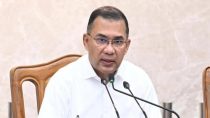
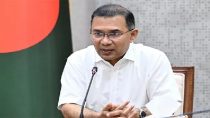
The BNP is proceeding cautiously. The party is conducting nationwide surveys at the grassroots level to identify popular, honest and young candidates. BNP Chairman and Prime Minister Tarique Rahman has instructed party leaders to ensure that multiple candidates do not create internal conflicts or clashes in different areas. Party officials are following these instructions carefully.
The party’s policymakers are taking more time to finalise their preparations. Discussions are also underway within the BNP about endorsing familiar faces such as current Dhaka North City Corporation Administrator Md. Shafiqul Islam Khan and Dhaka South City Corporation Administrator Md. Abdus Salam.
However, the BNP does not want to announce its preferred candidates before the formal election schedule is declared. Party policymakers believe that finalising candidates after the announcement of the schedule will help avoid internal disputes.
BNP Acting Secretary General Advocate Ruhul Kabir Rizvi said candidates would be selected by giving the highest priority to support from local leaders, activists and ordinary people, as well as popularity and chances of winning.
“The Prime Minister has already given instructions on this matter. The leaders responsible are working accordingly. We are considering fielding a single party-backed candidate in each area. Anyone who runs against the party’s decision or engages in activities that violate party discipline will face strict organisational action,” he said.
Meanwhile, opposition party Jamaat-e-Islami has made considerable progress in its organisational preparations. Well before the announcement of the election schedule, the party strategically finalised single candidates in most parts of the country for the local government elections. These candidates have already started campaigning through billboards, banners and various social events.
With central leadership, strict organisational discipline and an advance election plan, Jamaat appears confident about its candidate selection process. Usually, political parties begin facing pressure from nomination seekers after an election schedule is announced. Internal rivalries and divisions also become more visible at this stage. In larger parties, managing competing candidates and influential leaders often becomes difficult.
However, Jamaat has moved away from this traditional approach and completed most of its preparations well in advance. The party has already finalised its candidate lists for city corporations, upazila parishads and union parishads. Local-level campaigning has also been underway since shortly after the national parliamentary election. Candidates have been finalised in most areas and are actively working in the field.
Jamaat has already announced party leader Mohammad Selim Uddin as its candidate for Dhaka North City Corporation and former Dhaka University Central Students’ Union (DUCSU) vice-president and student leader Md. Abu Sadik, known as Sadik Kayem, as its candidate for Dhaka South City Corporation.
The party has also been vocal in demanding free and fair elections and a level playing field for all contestants.
Jamaat-e-Islami Assistant Secretary General Advocate Hamidur Rahman Azad said most of the party’s candidates for local government elections, including Union Parishad polls, had already been finalised. A few remaining candidates would be selected soon.
He said the party had considered organisational discipline, qualifications and local popularity when selecting its candidates. The National Citizen Party (NCP), formed under the leadership of young people following the mass uprising, is also targeting local government elections according to its organisational capacity. The party has already selected candidates in several areas but plans to publish the list after the formal election schedule is announced. Party leaders said potential candidates were already working at the grassroots level.
Although Jamaat and the NCP contested the 13th parliamentary election as alliance partners, leaders of both parties said they were considering contesting the local government elections independently. However, their decision to continue joint political programmes after the elections could leave room for a change in strategy at the last moment. They may also reach electoral understandings in some areas.
The NCP mainly wants to contest independently to demonstrate its organisational strength and increase the public recognition of its candidates across the country. However, party leaders believe that alliances or electoral understandings with like-minded parties may become possible after the election schedule is announced, particularly to improve their chances of winning in key city corporations.
NCP Senior Joint Convener Ariful Islam Adib said, “We want to use the local government elections as an opportunity to reorganise our party. We want to participate independently and expand our party at the grassroots level across the country. We are working to finalise our candidates nationwide. We will publish the list of candidates we support after the election schedule is announced.”