Golden Opportunity to Boost Garment Exports to Japan to 5 Billion Dollars
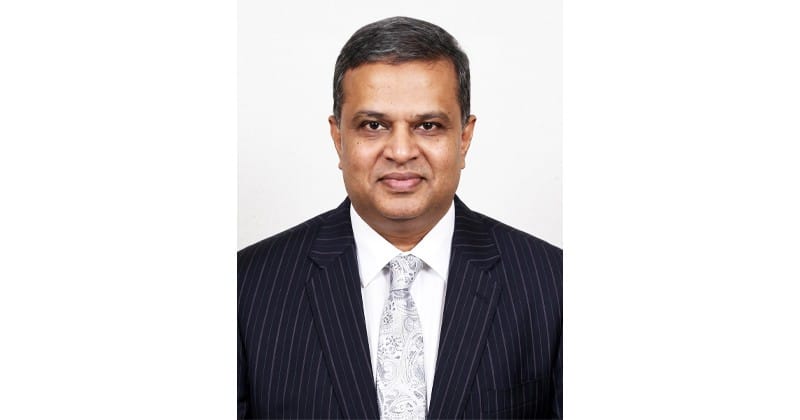
Japan presents immense potential as a lucrative destination for Bangladesh’s Ready-Made Garment (RMG) sector and overall trade, offering vast opportunities to multiply exports and attract private sector investments. Highlighting these prospects, Dr. Kazi Sarwar Habib, Advisor to BGMEA, a prominent Japanese multinational executive, and 14-time CIP awardee, emphasized that realizing this growth requires urgent action to resolve visa complexities, eliminate bureaucratic red tape, and bridge cultural gaps. Describing the current market landscape, Dr. Habib remarked, ‘Both Bangladeshis and Japanese eat fish and rice; the only difference is that they use chopsticks. Using chopsticks might seem difficult at first, but with practice, it sets you apart. Adapting to Japanese clothing patterns and quality standards works the same way.’
Highlighting the untapped potential, Dr. Habib pointed out that Japan imports $25 billion to $30 billion worth of apparel annually. Yet, Bangladesh currently supplies just $1.4 billion despite being the world’s second-largest RMG producer. Following the establishment of BGMEA’s ‘Japan Desk’ and a historic visit by the Japanese ambassador, Japan assured Bangladesh of procuring $3 billion to $5 billion annually in apparel. Under the proposed Economic Partnership Agreement (EPA), Japan has granted duty-free access to 7,398 Bangladeshi products, covering 98% of the country’s total export basket. To fully leverage this advantage over regional competitors, coordinated efforts among Bangladeshi ministries, trade promotion bodies, and infrastructure developers remain crucial.
Addressing major operational bottlenecks, Dr. Habib noted that Bangladesh aims to transition Japan from a traditional Official Development Assistance (ODA) development partner into a full-fledged trade partner. Referring to recent high-level discussions in Tokyo with top financial ministers and central bank leadership, he identified visa complexities and administrative delays as primary hurdles for Japanese investors. Current policies dictate granting one visa for every five Bangladeshi workers hired, prompting major brands like Uniqlo and Muji to urge BGMEA to temporarily adjust this ratio to two Bangladeshi workers per Japanese employee while streamlining process efficiency. He also stressed that heads of state must reassure investors to navigate post-transition bureaucratic complexities effectively.
Language and cultural barriers represent another critical challenge in doing business with Japanese buyers, who operate almost exclusively in their native language. Dr. Habib explained that Bangladeshi youths attaining N2-level Japanese language proficiency through domestic university programs can easily secure local monthly salaries ranging from BDT 50,000 to 100,000. If Bangladeshi universities train 500 to 1,000 young individuals annually, it will dismantle the major barrier to exporting skilled labor to Japan. Bridging this skill gap directly supports ongoing bilateral economic initiatives while empowering local human resources with specialized language capacity needed for seamless trade communication.
Drawing from his own journey as a PhD graduate in Japan, the urban planner urged Bangladeshi youth to pursue higher education in Japan before entering the job market directly. He emphasized that Japan offers top-tier university education and comprehensive scholarships at some of the lowest costs globally, enabling students to study without financial burden on their families. Concluding his observations, Dr. Habib reiterated that actively engaging the private sector to identify and resolve existing bottlenecks will elevate Bangladesh-Japan economic ties to new heights. Fostering structured educational exchanges and institutional private sector engagement will secure long-term commercial partnership between both nations.