India Says Talks with Bangladesh on Ganges Treaty Continue
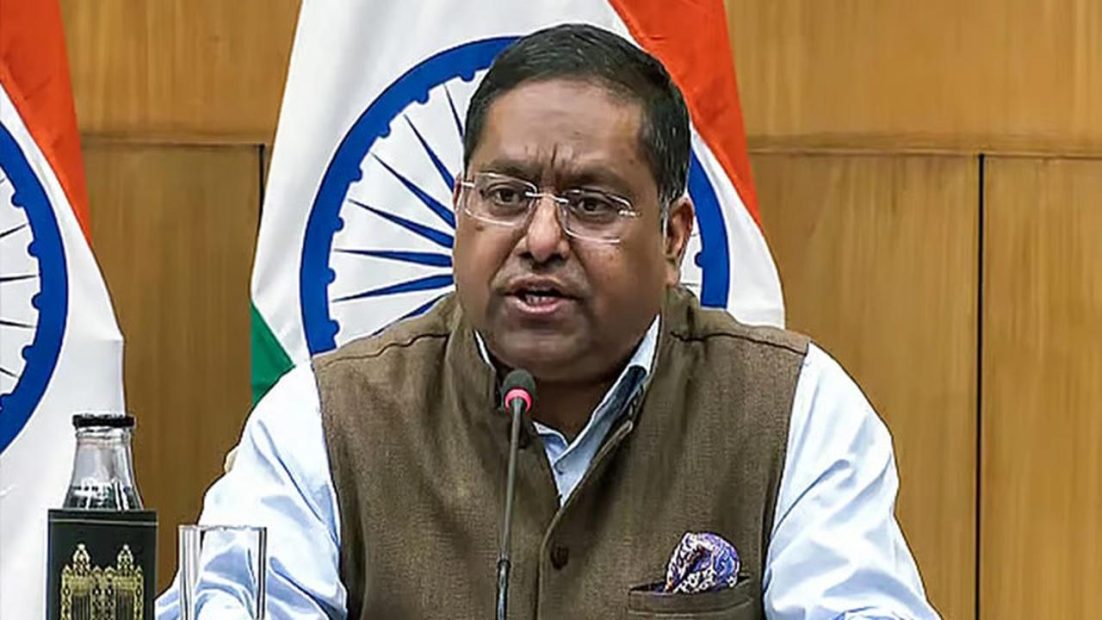
India has said that technical-level discussions on the Ganges Water-Sharing Treaty between Bangladesh and India are continuing. New Delhi said that water-sharing and river-related issues concerning the Ganges and other common rivers between the two countries would be discussed within the framework of the Joint Rivers Commission (JRC). Indian Ministry of External Affairs spokesperson Randhir Jaiswal made the remarks at a regular briefing in New Delhi on Tuesday (September 29).
Bangladesh Water Resources Minister Md Shahiduddin Chowdhury Anee recently said at a river dialogue in Dhaka that Bangladesh wants to sign a new Ganges Water-Sharing Treaty with India instead of renewing the 1996 agreement. According to him, the new treaty should ensure fair distribution based on water availability and include a “guarantee clause” to ensure Bangladesh receives its fair share of water during the dry season.
Asked about India’s position on the issue, Randhir Jaiswal said the matter of Ganges water sharing would be considered as part of the discussions of the Joint Rivers Commission, rather than separately. He said technical-level meetings between the two countries on the Ganges treaty were also continuing. At the same time, water-sharing and river-related issues concerning other common rivers, besides the Ganges, would also be discussed through the JRC.
The Ganges Water-Sharing Treaty was signed between Bangladesh and India on December 12, 1996. The 30-year treaty is scheduled to expire on December 12 this year. Under the treaty, water is shared between the two countries during the dry season based on the flow of the Ganges at the Farakka point. Bangladesh has intensified discussions on a new treaty or a revised arrangement before the expiry of the existing treaty.
Earlier, Foreign Minister Dr Khalilur Rahman said that Bangladesh had already formed a technical team as part of preparations for a new treaty and informed India about the matter. He said ensuring Bangladesh’s fair share of water from common rivers was one of the key objectives of the discussions. At the same time, emphasis is being placed on establishing a long-term and sustainable arrangement.
Bangladesh Water Resources Minister Anee had earlier said that, alongside ensuring water flow during the dry season, the new treaty should also take into account the damage caused to Bangladesh’s floods, agriculture and economy by excessive water flow during the monsoon. For this reason, Dhaka has proposed creating a new framework by balancing water availability and the needs of both countries.
Meanwhile, when asked at the briefing about Indian National Security Adviser Ajit Doval’s recent visit to Dhaka, Randhir Jaiswal said he had no information or updates on the matter. As a result, India’s Ministry of External Affairs has not officially confirmed the information published in the media about Doval’s reported visit.