Leonid Meteor Shower to Light Up the Sky Tonight: When Can It Be Seen in Bangladesh?
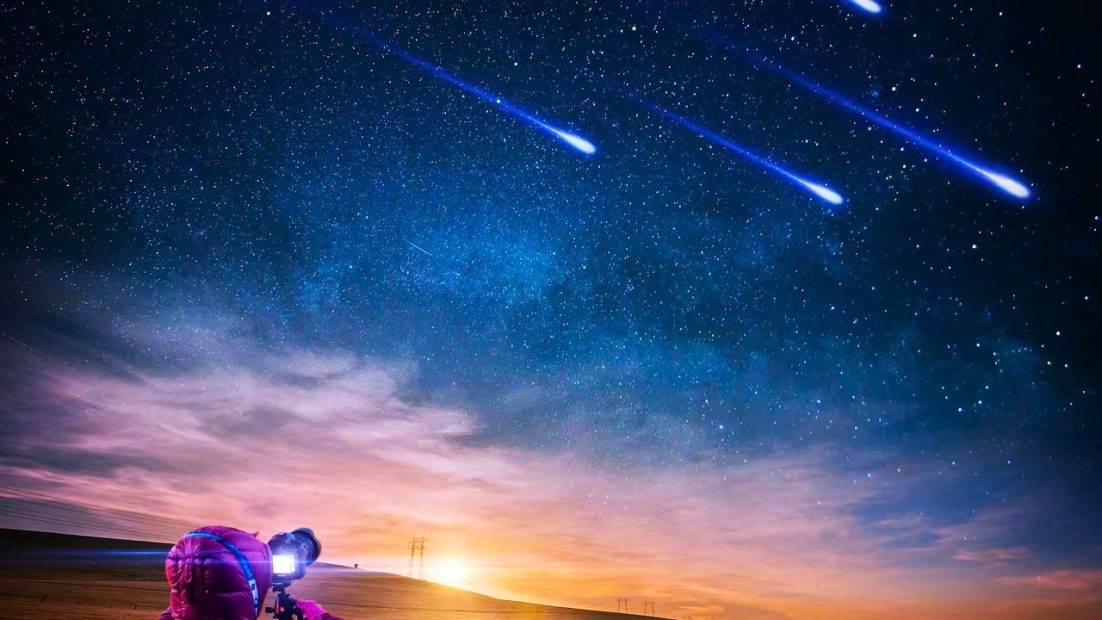
Skywatchers are in for an exciting night as one of the year’s fastest and most spectacular meteor showers, the Leonid meteor shower, is set to reach its peak tonight. The spectacular display occurs as Earth passes through dust and debris left behind by an ancient comet.
According to NASA, under ideal conditions, up to 15 meteors per hour may be visible tonight and in the early hours of tomorrow (November 17-18). However, most observers may see fewer meteors. In Bangladesh, the shower will be visible in the eastern sky from 11:25pm to 4:56am.
According to scientists, the meteor shower is associated with a comet named 55P/Tempel-Tuttle, which orbits the Sun once every 33 years. Earth passes through the stream of dust and tiny particles left behind by the comet every year in November. When these particles enter Earth’s atmosphere at extremely high speeds, they heat up due to friction with the air and appear as bright streaks of light, known as meteors. The shower is called the Leonids because the meteors appear to originate from the direction of the constellation Leo.
According to space researchers, the defining feature of the Leonids is their extraordinary speed. They enter Earth’s atmosphere at approximately 71 kilometres (44 miles) per second, making them among the fastest meteors visible in the night sky. Some leave behind bright trails of light as they streak across the sky.
How to Watch the Meteor Shower
The meteor shower can be observed from both the Northern and Southern Hemispheres, although observers north of the equator are likely to get a better view. No special binoculars or telescopes are required. It can be enjoyed with the naked eye.
For a clearer view, observers should choose a dark, open location away from the excessive lights of cities and populated areas. As the Moon will be in its first-quarter phase, the best viewing time will be before dawn or in the latter part of the night, when the Moon sets. Astronomers also recommend allowing the eyes at least 30 minutes to adjust to the darkness before observing the meteor shower.