Myanmar had ‘Intent’ to Destroy Rohingya Population Through Repression: ICJ
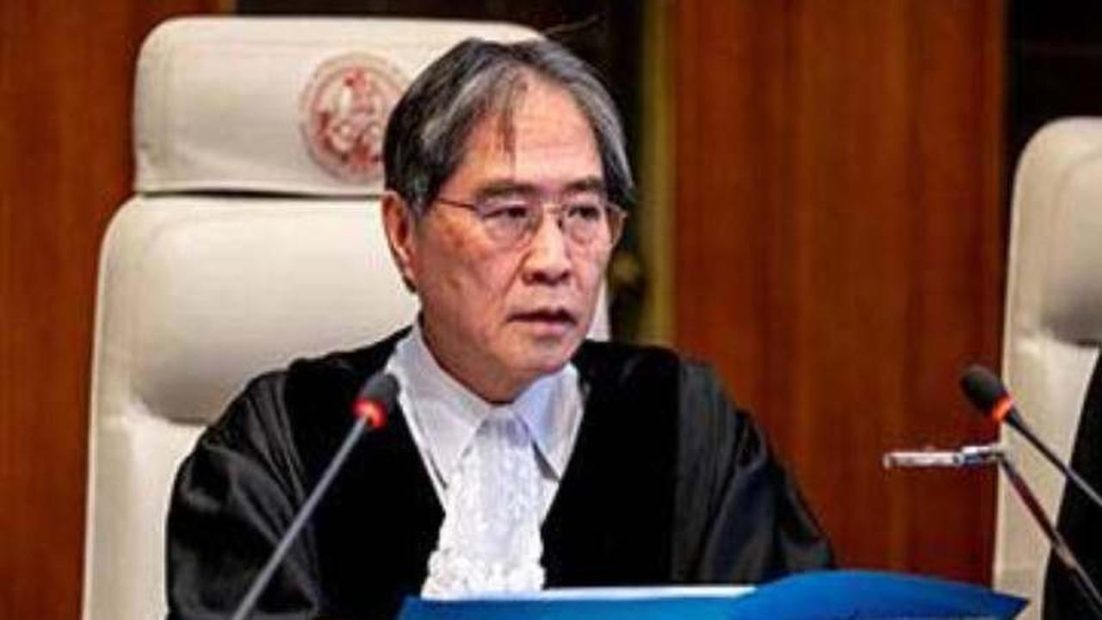
The International Court of Justice (ICJ), the highest court of the United Nations, has given a historic ruling that Myanmar had a clear “genocidal intent” to partly or fully destroy the Rohingya Muslim minority in Rakhine State.
The court said that this intent was behind the persecution, mass killings and ethnic cleansing of the Rohingya people. Judges at the court in The Hague, the Netherlands, said in the ruling that the so-called “clearance operations” carried out by the Myanmar military in 2016 and 2017 were clear violations of the Genocide Convention.
According to international media and UN sources, the ICJ reached the final decision after a long legal process, hearing witnesses and reviewing evidence. The court said the violence against the Rohingyas in Rakhine was not an isolated military operation. Rather, it was an organised effort to destroy and drive out a particular group of people.
The important points of the ICJ ruling and the case are given below:
Evidence of Violating the Genocide Convention
The court said Myanmar failed to meet its duties as a country that signed the 1948 Convention on the Prevention and Punishment of the Crime of Genocide. The court found clear signs of an intention to destroy the Rohingyas through killings, serious physical and mental harm, and by creating living conditions that could not support their lives.
Background of the Case
In November 2019, Gambia, a West African country, filed the historic case against Myanmar at the ICJ with the support of the Organisation of Islamic Cooperation (OIC). In January 2020, the court ordered Myanmar to take temporary measures to protect the Rohingyas. However, Myanmar’s military junta failed to carry out the order.
Myanmar’s Position and Argument
During the hearings, representatives of Myanmar denied the genocide allegations. They said the security forces were only carrying out operations against rebels in response to attacks by the Arakan Rohingya Salvation Army (ARSA).
They also said there was no intention to destroy any group of people. However, the court rejected Myanmar’s argument.
Reaction from Bangladesh and the International Community
In August 2017, more than 700,000 Rohingyas fled to Bangladesh to save their lives from severe persecution by the Myanmar military. At present, more than 1.2 million Rohingya refugees are living in Cox’s Bazar and Bhasan Char.
International human rights organisations and Rohingyas living in the refugee camps welcomed the ICJ ruling as a major step toward establishing justice. According to international law and diplomatic experts, the ICJ ruling will greatly increase global diplomatic and legal pressure on Myanmar. They said the ruling could help in finding a lasting solution to the Rohingya crisis, ensuring international accountability for those responsible, and ensuring the safe and dignified return of the refugees.