No Super Six round in 2027 World Cup Qualifier as number of matches reduced
The Super Six round has been scrapped from the 2027 ODI World Cup Qualifier, ending a format used in the previous three editions. Instead, the 10 participating teams will be divided into two groups, followed by semi-finals and a final. Under the new format, the total number of matches will also be reduced to 23.
The ICC announced the new qualification structure following its board meeting in Bali, Indonesia, on Sunday (November 15). The tournament will be held in February-March 2027. The 10 teams will be divided into two groups of five, with the top two teams from each group advancing to the semi-finals. The two winners will then face each other in the final.
Under the previous format, the 10 teams were divided into two groups, with the top three teams from each group advancing to the Super Six stage. A total of 34 matches were played. With the Super Six round scrapped, the number of matches has been reduced by 11.
However, reaching the semi-finals will not guarantee all four teams a place in the main World Cup. Under the new rules, only the qualifying tournament champions will secure direct entry into the group stage of the 2027 World Cup. The runners-up and the teams finishing third and fourth will compete in a ‘Super Series’. The best team from this three-team competition will claim the final remaining place in the World Cup group stage.
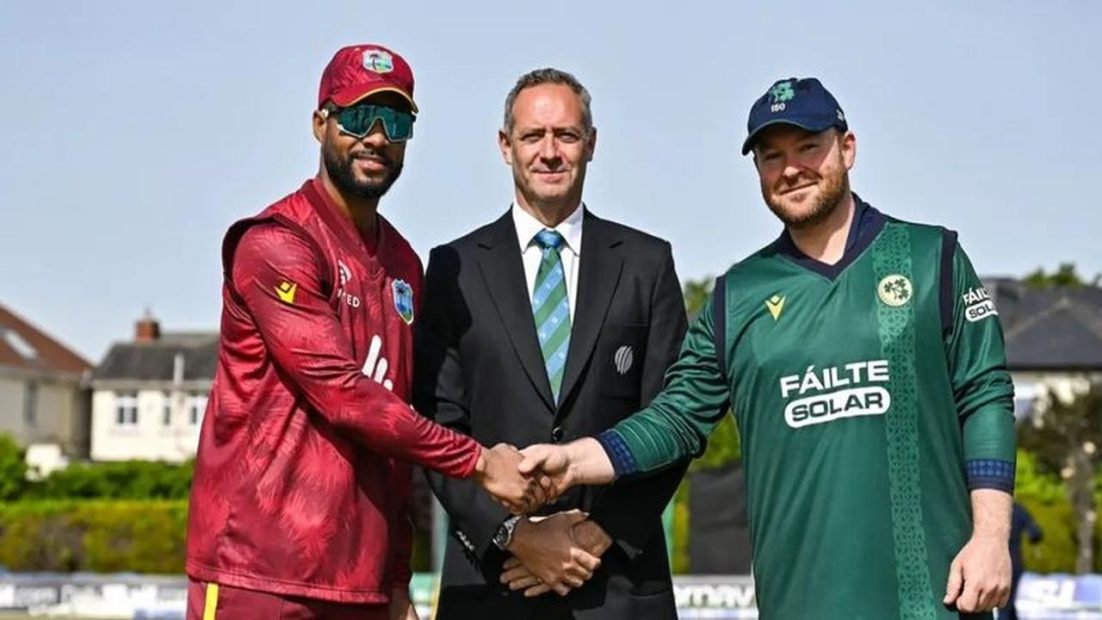
Six of the 10 teams have already secured qualification for the tournament. West Indies and Ireland qualified directly based on their ODI rankings. Meanwhile, the United States, the Netherlands, Scotland and Oman advanced through the Cricket World Cup League 2.
The remaining four teams will be determined through the World Cup Qualifier Play-off in Nepal. Eight teams will compete in the tournament, scheduled for December 4-21: Nepal, Italy, Namibia, Uganda, Kuwait, Canada, Jersey and the United Arab Emirates.
The ICC has also announced the qualification structure for the 2028 Men’s T20 World Cup. A total of 31 matches will be played in the 16-team Global Qualifier. The teams will be divided into four groups of four, followed by quarter-finals, semi-finals and a final.
Eight teams from the competition will qualify for the 2028 World Cup. The four semi-finalists will secure direct qualification. The remaining four places will be determined through a regional representation system.
The five regions are Africa, the Americas, Asia, East Asia-Pacific and Europe. The highest-ranked team from each region will have a pathway to qualification. If a region’s top team finishes among the top eight in the Global Qualifier, it will qualify directly. If it finishes between ninth and 12th, it will replace the lowest-ranked team among the top eight that is not a regional winner. The remaining places will be allocated based on the best performances among the teams eliminated in the quarter-finals. However, teams finishing last in their respective groups will not be eligible for World Cup qualification.
Meanwhile, all 10 places in the 2028 Women’s T20 World Cup have been confirmed, including that of hosts Pakistan. The teams that have secured direct qualification are Australia, India, South Africa, Bangladesh, England, West Indies, New Zealand, Sri Lanka, Ireland and Pakistan.
The remaining two places will be determined through a 10-team Global Qualifier. The Netherlands and Scotland, who participated in the 2026 Women’s T20 World Cup, will enter the qualifier directly. They will be joined by eight teams emerging from five regional qualifying tournaments in 2027. The top two teams in the Global Qualifier will secure places in the 2028 World Cup.
The announcement also brings good news for Bangladesh, as both the men’s and women’s teams have secured direct qualification for the 2028 T20 World Cups. They will therefore not have to go through the Global Qualifier.