Physics Tests Completed in Rooppur’s First Unit, Preparations for Power Generation Underway
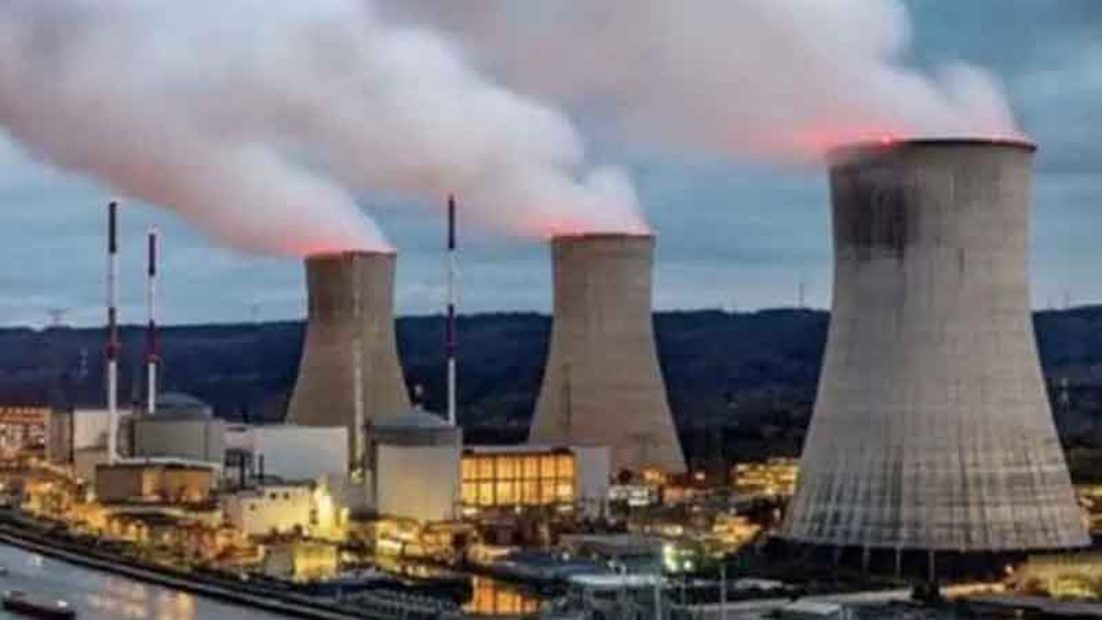
All essential procedures and evaluations including the Stage B-2 physics tests, for the first unit of the Rooppur Nuclear Power Plant (RNPP) have been successfully completed. The test report has been submitted to the Bangladesh Atomic Energy Regulatory Authority (BAERA). Upon receiving final clearance from the regulatory body, the unit will move into “Stage C,” the preparatory power startup phase for electricity generation.
According to project sources, preparations are in place to begin power startup operations around October 25, pending regulatory approval.
Meanwhile, a high-level Russian delegation visiting Bangladesh to review the project’s progress met with Science and Technology Minister Fakir Mahbub Anam on Thursday night. The delegation briefed the minister on the overall progress of the project, including the critical stage of the first unit, as confirmed in a statement and social media post by the Russian Embassy on Friday.
The embassy statement noted that the delegation, led by Andrei Petrov, First Deputy Director General of Rosatom and President of Atomstroyexport (ASE) visited Bangladesh from October 20 to 23 to inspect on-site progress. Several high-level coordination meetings took place during the visit.
The meeting in Dhaka included Md. Anwar Hossain, Secretary of the Ministry of Science and Technology, alongside top officials from the Bangladesh Atomic Energy Commission and Nuclear Power Plant Company Bangladesh Limited (NPCBL), the operating entity of the plant. Both sides reviewed ongoing construction and overall project milestones, while discussing joint steps planned for the near future.
Dr. Md. Zahedul Hassan, Managing Director of NPCBL, confirmed that all Stage B-2 tests and necessary activities, including the physics tests, were completed successfully and that the final report has been submitted to BAERA. He explained that once BAERA grants approval, the unit will enter Stage C to begin the power startup.
Dr. Hassan added that electricity generation will initially start on a limited scale and will be scaled up gradually as subsequent operational milestones are achieved.
Project officials anticipate that electricity can be fed into the national grid once generation capacity reaches 30 to 35 percent. Under this plan, authorities aim to supply at least 300 megawatts (MW) of electricity from the first unit to the national grid by the end of this year, provided all subsequent testing stages are completed successfully and regulatory approvals are secured.