Power Rationing: How Iran Is Coping with US Sanctions and Blockade
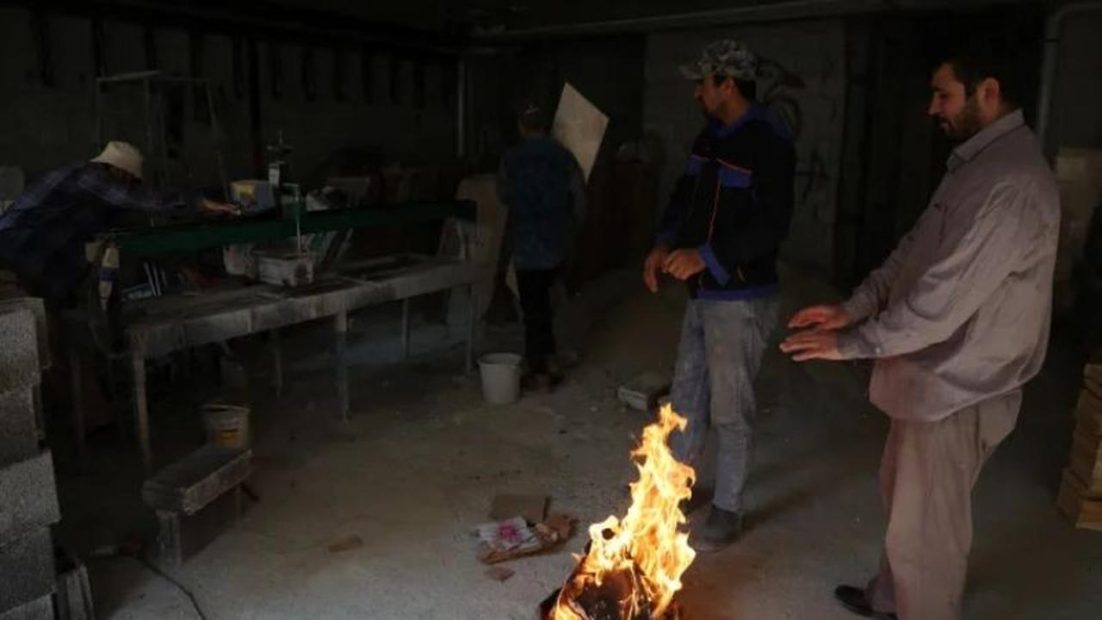
Despite having a share in one of the world’s largest natural gas fields and the world’s third-largest proven oil reserves, Iran is facing a severe energy crisis ahead of winter. The ongoing war, US naval blockade and strict sanctions have put enormous pressure on the country’s economy, directly affecting people’s daily lives. Authorities have announced that electricity supplies across the country will be rationed, with power cuts lasting around two hours a day from Sunday.
In an interview with state broadcaster IRIB at the presidential office on Pasteur Street in Tehran, President Masoud Pezeshkian was seen working in warm clothes under a table lamp, with the chandeliers switched off. He also used natural daylight by opening the curtains and urged people to save electricity.
Mr. Pezeshkian warned that attacks on gas infrastructure could make the situation even more difficult during winter. At a meeting with investors and manufacturers on November 21, he described Iran’s current situation as a “silent economic war,” saying it was more difficult than a missile war.
War Takes Its Toll on Energy and Power Sectors
Iran was already suffering from gas shortages and power cuts even before the United States and Israel launched joint attacks on Tehran and several nuclear facilities across the country on February 28. Since then, various energy, military and civilian infrastructure facilities have come under attack.
Government spokesperson Fatemeh Mohajerani warned last week that Iran’s daily gas deficit could reach 430 million cubic metres this winter, compared with around 300 million cubic metres in previous years. Saeed Tavakoli, managing director of the National Iranian Gas Company, said four processing plants were damaged during the conflict earlier this year, reducing daily production capacity by 230 million cubic metres. Of this amount, around 100 million cubic metres of capacity has been restored.
Authorities have warned that gas supplies could be disrupted in 11 of Iran’s 31 provinces this winter, particularly in Mazandaran, Golestan and North Khorasan. Mohammad Alladad, head of Iran’s national electricity company Tavanir, told state television that restrictions on electricity distribution would begin on Sunday due to limited fuel supplies.
According to an Al Jazeera analysis, natural gas accounts for around 86 percent of Iran’s total electricity generation. Oil-fired power plants contribute approximately 7 percent, hydropower around 5 percent and the Bushehr nuclear power plant about 2 percent.
In August, Energy Minister Abbas Aliabadi said attacks during the war had destroyed 4,200 megawatts of power generation capacity. Repair work is underway. Politicians have said that nearly 600,000 people have already lost their jobs due to declining industrial production. On November 21, parliament member Nasrollah Pezeshmanfar warned that more than one million workers could lose their jobs if the gas crisis continues.
Sanctions and Blockade Deepen Economic Crisis
The US administration says it is seeking to force Tehran to make concessions through sanctions on entities doing business with Iran under its ‘Operation Economic Outcast’. However, years of restrictions, the US naval blockade of Iranian ports and damage to infrastructure have dealt a severe blow to the country’s economy.
According to Iran’s Statistical Centre, the average annual inflation rate reached 76.8 percent during the Iranian month of Mehr (September 23 to October 22), while year-on-year inflation stood at 88.7 percent. Inflation in food, beverages and tobacco products reached 113.4 percent in October.
Mohammad Reza Farzanegan, an Iranian economist and professor at Philipps University of Marburg in Germany, said Iran’s real GDP could contract by around 7 percent in 2026, marking the country’s sharpest economic decline since the Iran-Iraq War.
He said sanctions, trade blockades and damage caused by the war had further complicated the situation.
Falling oil revenues have pushed the government towards a budget deficit. However, political realities make it difficult to reduce large energy subsidies or increase taxes. Analysts believe that the crisis will be difficult to overcome in the long term unless sanctions are eased and access to international investment and financing is restored.
Source: Al Jazeera