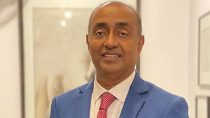
Restoring Trust In UN Remains Main Goal: Dr. Khalilur Rahman
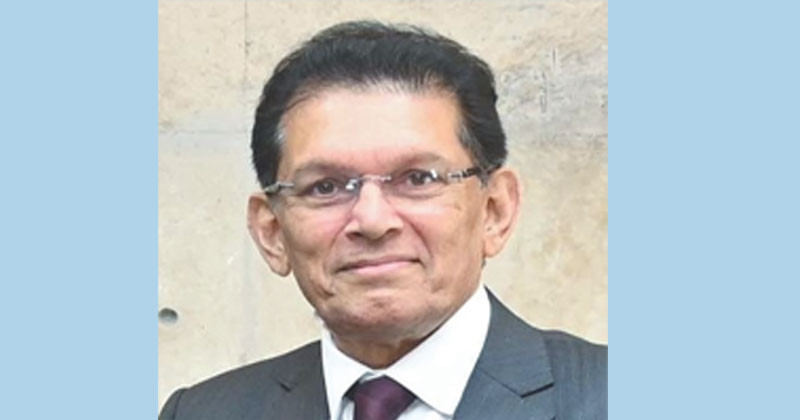
Dr. Khalilur Rahman set a clear goal for his term as President of the UN General Assembly. He wants to restore member states’ trust in the United Nations. He shared this goal in an interview with UN News on Saturday.
He spoke as the General Assembly’s high level week began. He called this week the strongest example of the UN’s power to unite nations. He said world leaders get a chance here to share their views directly.
Dr. Rahman said he wants to listen closely to world leaders this week. He wants to hear their thoughts on restoring trust in the UN. He plans to use their input to guide his own work going forward.
He then explained this trust issue using history. He described the founding of the UN back in 1945. He noted that President Roosevelt, Stalin, and Churchill met for eight days at Yalta. They worked to end the war and imagined a new world body.
He said their main goal was preventing another global war. He described the founding ceremony in San Francisco. He said delegates stood and applauded for a long moment that day.
Dr. Rahman said the hope for lasting peace from that moment remains largely unfulfilled. He said the world has avoided another major global war for eight decades. He noted many former colonies have used the UN to build their development.
He said this happened even though the Security Council did not perform as expected. He said conflicts continued despite the UN’s efforts. He noted that development progress often moved too slowly. He said all this created today’s crisis of confidence.
Dr. Rahman then discussed the UN’s three main pillars. He named these as security, development, and human rights. He said all three pillars carry major unmet expectations today. He noted that human rights work receives only four percent of the UN’s total budget.
He said restoring founding era trust requires hard work across all three pillars. He said every member state and stakeholder must work together toward this goal.
Dr. Rahman then addressed artificial intelligence as a new global challenge. He said AI can speed up human progress in powerful ways. He warned that predicted risks from AI could still create serious dangers for humanity.
He said innovation should not slow down because of these risks. He said the world still needs clear safety boundaries around AI. He said this responsibility extends beyond governments alone. He said everyone building or using this technology shares this duty.
Dr. Rahman then responded to criticism about the General Assembly’s effectiveness. He said the high level week would not happen if the body were useless. He noted that world leaders would not attend if it lacked real purpose.
He praised the assembly’s unique power to gather every nation together. He noted that diplomacy does not always happen in public view. He said the assembly offers a safe space for discussing serious global issues.
Dr. Rahman then reflected on his experience with the Rohingya crisis. He called it a horrific humanitarian catastrophe. He described attacks against an entire population, including bombed homes and burned villages.
He said he also witnessed the refugees’ remarkable resilience firsthand. He recalled the Secretary General’s visit to Cox’s Bazar last year. He said over a hundred thousand refugees joined an iftar meal with the Secretary General.
He said every refugee held a placard that day. Each placard carried the same message, expressing their wish to return home. Dr. Rahman said violence never solves this kind of problem. He said violence only delays and worsens such crises over time.
He said only dialogue and negotiation can truly resolve this conflict. Finally, reporters asked Dr. Rahman about his hopes for the end of his term. He said he is not focused on today’s achievements.
He said he looks instead toward the day he hands over his gavel. He named three specific goals for his presidency. He wants member states to agree on needed UN reforms.
He also wants member states to keep the organization financially stable. He wants faster implementation of UN programs at the local level. He said meaningful progress on any single goal would satisfy him. He said he would gladly hand over his role with even partial success in these areas.