Rivers Grapple with Intensifying Navigability Crisis and Erosion
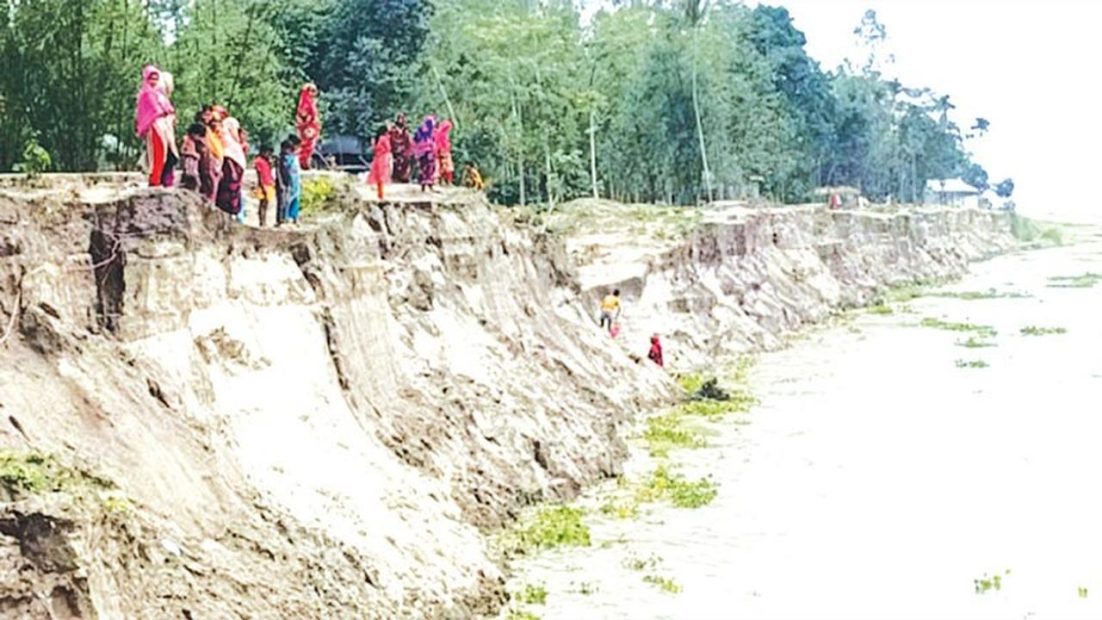
Most of Bangladesh’s rivers are facing a serious threat to their survival. In some places, large underwater shoals are emerging as water levels fall. Elsewhere, severe river erosion is destroying settlements, farmland and educational institutions. Navigation is also being disrupted, affecting cargo transportation and the daily lives of ordinary people. The crisis is the result of a complex combination of natural factors, human activities and poor river management.
Severe navigability problems have emerged along some of the country’s busiest waterways. At Faridpur River Port, the rapid fall in the Padma’s water level has made navigation difficult, leaving cargo vessels stranded in the middle of the river. Ships are taking several times longer than usual to reach their destinations. This is increasing fuel costs and causing financial losses for traders.
Similar conditions have been reported along the Goalanda-Pakshi river channel and the Chilmari River Port route. Due to the navigability crisis, passenger and cargo services on the Chilmari-Rajibpur route have remained suspended for months. At Nawapara Port, sedimentation in the Bhairab River has threatened to bring commercial activities to a standstill. Ferry operations on the Daulatdia-Paturia route have also been disrupted, causing severe suffering for passengers and drivers.
Alongside the navigability crisis, river erosion has become another major threat. In Godagari Municipality and Char Ashariadah Union of Rajshahi, severe erosion begins every year as floodwaters recede. Residents are struggling to save even their last remaining possessions.
In Kurigram, erosion along the Brahmaputra River is threatening to wipe isolated settlements such as Jalangarkuthi Char off the map. A primary school in the area is also at risk. In Madaripur, unplanned sand extraction using dredgers in the Arial Khan River has worsened erosion, leaving hundreds of families homeless. In Ashashuni, damage to an embankment along the Betna River has raised the risk of flooding farmland and shrimp enclosures.
According to people concerned, several major factors are responsible for the crisis. Farakka Barrage and reduced water flow: The Farakka Barrage has reduced the natural flow of water in the Padma and many other rivers during the dry season, accelerating the loss of navigability.
Unplanned dredging: Dredging is often carried out without following scientific methods. In many cases, the excavated soil and sand are dumped back into the main river channel. As a result, sediment quickly builds up again, blocking waterways within days.
Illegal occupation and sand extraction: Powerful syndicates use illegal dredgers to extract sand, altering river channels and triggering severe erosion. Lack of long-term planning: There is no comprehensive, coordinated and long-term master plan for river management and protection.
Economic and Human Impact
The deteriorating condition of rivers is directly affecting ordinary working people. Cargo vessels stranded in waterways are leaving port labourers and workers involved in loading and unloading without work. Many are struggling to survive.
At the same time, vessels stranded in the middle of rivers are becoming vulnerable to criminal activities such as piracy and extortion. This is increasing security risks for sailors and vessel operators.
Possible Solutions
Experts have stressed the need for several measures to address the crisis.
1. Planned and scientific dredging: Hydrographic surveys should be conducted to identify the main river channels. Dredging should then be carried out systematically, and the excavated sediment should be removed from the river.
2. Permanent embankments: Instead of relying on temporary measures such as geobags, permanent protection structures should be built using concrete blocks and durable embankments to prevent river erosion.
3. Stopping illegal sand extraction: Strict controls should be imposed on the use of dredgers, and tough administrative action should be taken against illegal sand traders.
4. Strengthening waterway security: River patrols should be increased to prevent piracy and extortion.
5. Humanitarian assistance: Emergency assistance and alternative employment opportunities should be arranged for people displaced by river erosion and workers who have lost their jobs.
Rivers are not merely channels for carrying water. They are vital to the country’s agriculture, fisheries and economy. Unless coordinated measures are taken quickly to restore natural water flows and prevent erosion, Bangladesh could face even more severe environmental and economic consequences in the future.
The writer is a journalist and poet.