The Bay of Bengal’s Vast Potential and the Coastal Communities’ Vulnerable Lives
Bangladesh, the world’s largest delta, is rich in fertile land, fisheries and biodiversity, shaped by its rivers, sediment and the sea. Yet its coastal communities remain highly vulnerable to cyclones, storm surges, river erosion, salinity, floods and rising sea levels. Their lives and livelihoods are a constant struggle against nature.
Despite the Bay of Bengal’s enormous economic potential, the people living along its coast continue to face insecurity and deprivation. Their hardships are not caused by natural disasters alone. Poor infrastructure, inadequate planning, unequal distribution of resources and misplaced development priorities also contribute to their suffering.
Many coastal areas lack safe drinking water, have increasingly saline agricultural land, limited employment opportunities, poor transport links and inadequate healthcare. A single cyclone or storm surge can destroy homes, crops, livestock and livelihoods, forcing families to start over. For farmers losing their land to salinity and families displaced by river erosion, climate change is not a distant scientific concept but a daily struggle for survival. Women, children, older people, poor farmers and fishing families bear a disproportionate share of the burden.
Before recovering from one disaster, coastal residents often face another. Cyclones such as Sidr, Aila, Yaas, Amphan, Sitrang and Remal have left lasting damage across coastal communities. Even after the immediate danger passes, families must repair homes, replace lost livelihood equipment, repay debts and secure food and shelter. The suffering continues long after affected areas disappear from newspaper headlines.
The shortage of safe drinking water is another major challenge. In parts of Satkhira, Khulna and Bagerhat, salinity during the dry season and limited access to safe water make daily life difficult. Having grown up in a coastal area, I have witnessed these hardships since childhood. In some places, women and children must travel long distances to collect water. Families depend on rainwater harvesting, treated pond water or distant water sources. This takes time away from education, income-generating activities and rest, placing a particularly heavy burden on women. The lack of safe drinking water in a region surrounded by rivers, canals and the sea highlights the limitations of coastal development.
Agriculture-dependent families face further uncertainty because of rising salinity, waterlogging, irregular rainfall and cyclones. Land that once supplied food for an entire year can no longer produce expected yields. Even a good harvest can be destroyed by storm surges or unusual rainfall. Farmers lose their investments in seeds, fertiliser and labour but remain burdened by loans. Some are forced to sell livestock, lease out land or send family members elsewhere for work.
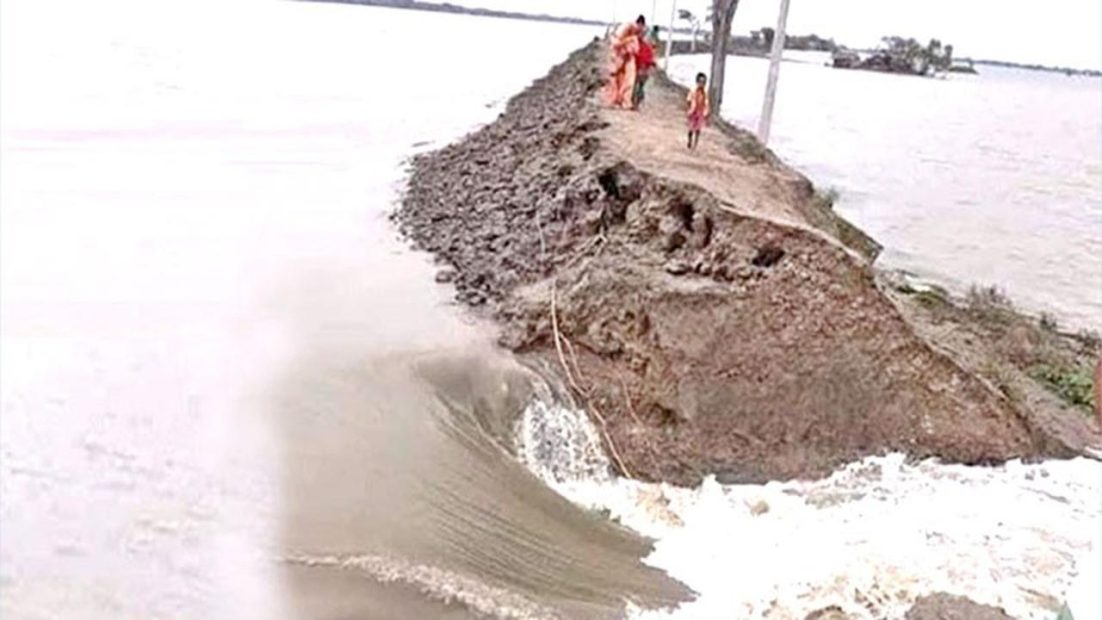
River erosion also destroys homes, farmland and roads. For affected families, losing a homestead means losing not only property but also their roots, identity, social ties and livelihoods. Many are forced to settle on embankments, roadsides or other people’s land. Without access to employment, education, healthcare and safe water, displacement can lead to long-term poverty.
Fishing families also face constant uncertainty. The Bay of Bengal provides their livelihoods but can also threaten their lives. Fishing without adequate safety equipment or despite weather warnings puts them at risk. Bad weather, fishing bans, fuel costs, vessel maintenance and dependence on middlemen further reduce their earnings. Unless fishing communities receive fair prices, safe working conditions and social protection, they will remain excluded from the benefits of the blue economy.
Women and children are particularly vulnerable. During disasters, women shoulder much of the responsibility for moving families to shelters, caring for children and older people, collecting food and water, and rebuilding households. Inadequate sanitation, healthcare and privacy in shelters create additional difficulties. Falling household incomes also affect children’s nutrition and education, sometimes forcing families to withdraw them from school and send them to work.
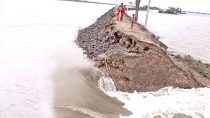
The collapse of embankments during cyclones and storm surges can leave saline water trapped in settlements for extended periods. Homes, farmland, ponds, roads, schools and businesses are damaged. Prolonged waterlogging disrupts agriculture, reduces employment and increases health risks. Emergency relief may address immediate food shortages, but sustained support is needed to restore livelihoods, repair homes, ensure safe drinking water and revive agricultural production.
Climate-induced migration from coastal areas is another growing concern. Countries such as Bangladesh, which are highly vulnerable to climate change, have contributed relatively little to the problem and have limited resources to address it. Fossil-fuel-based industrialisation, excessive carbon emissions and consumption-driven lifestyles have intensified global warming and rising sea levels.
The climate crisis is therefore not only an environmental issue but also a matter of global inequality, international responsibility and human rights. Countries historically responsible for high emissions should provide vulnerable nations with adaptation financing, technology transfer and support to address climate-related loss and damage. Such assistance is not charity; it is a matter of justice and international responsibility. Bangladesh must also strengthen its own planning, governance and investment to address the effects of climate change.
A recent Asian Development Bank (ADB) report, Asia-Pacific Climate Report 2026: Coastal Risks on the Rise—Actions for a Resilient Future, warns that annual flood-related losses in the Asia-Pacific region could increase at least sixfold by 2050 compared with current levels. The report highlights the need for effective measures and adequate investment in climate adaptation.
Against this backdrop, the Bay of Bengal offers Bangladesh significant economic opportunities through the blue economy. Its potential sectors include fisheries, marine biotechnology, tourism, ports and shipping, renewable energy, mineral resources and scientific research.
The resolution of maritime boundary disputes has opened up opportunities to explore and use marine resources. However, securing maritime boundaries does not automatically ensure economic benefits. Success requires scientific assessments, skilled manpower, technological capacity, transparent investment policies and environmental protection. Integrated marine surveys and research are needed to identify available resources, assess extraction costs and environmental risks, and determine how they can benefit the country. Oil and gas exploration must involve modern surveys, transparent tenders and proper environmental assessments. Economic gains must not come at the expense of marine biodiversity and fisheries.
The blue economy must also benefit coastal communities. Economic zones, marine research centres, fish-processing industries, cold storage facilities, modern shipping infrastructure and environmentally friendly tourism could be developed in areas such as Cox’s Bazar, Maheshkhali, Kutubdia, Patuakhali, Bhola and the areas adjoining the Sundarbans.
However, local communities must not be excluded from the benefits of such development. Their land rights, livelihoods, environment and social security must be protected to ensure that economic growth is sustainable.
(To be continued)
The writer is a researcher and columnist.