Why Health-Conscious People Are Turning to Organic Food
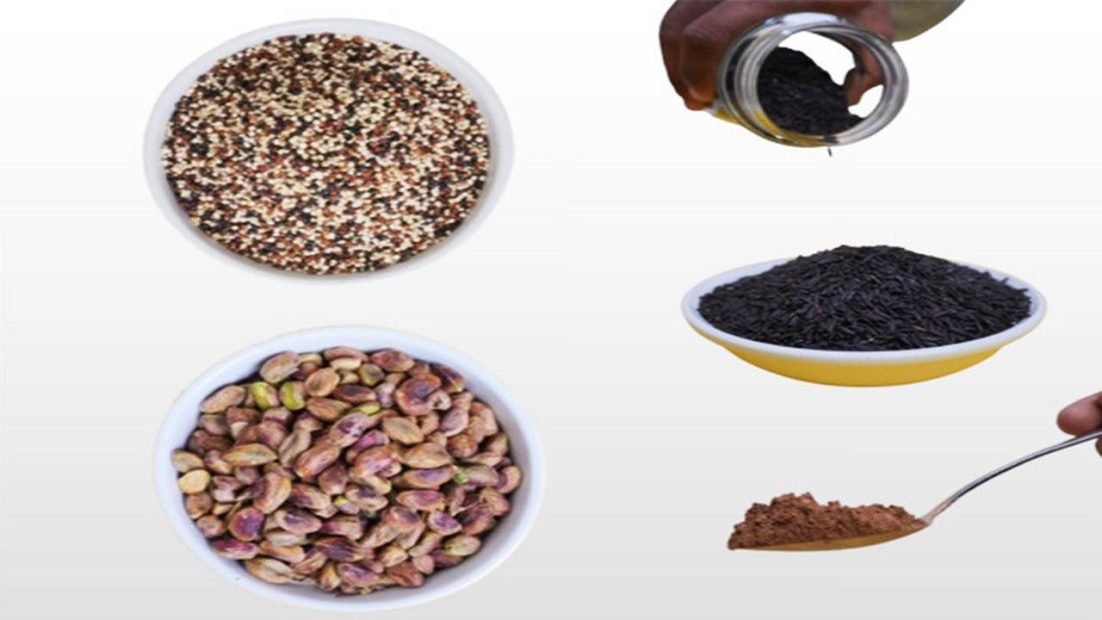
Taste, price and availability have long been the main factors influencing food choices. However, lifestyles and attitudes towards food are changing. People are now paying more attention to what they eat, where their food comes from, how it is produced and whether it supports a healthy daily routine. As a result, interest in organic food is growing, particularly among health-conscious consumers.
Processed foods and fast food have become more common in modern diets, while technology-driven lifestyles have reduced physical activity. Although these foods may be appealing and satisfy hunger in the short term, they can contribute to long-term health problems. This has increased awareness of food sources and quality, encouraging people to make safer and more informed dietary choices. Interest in organic food is growing among people of all ages, from young adults to older generations.
Organic products, however, are often more expensive than conventional alternatives. There are several reasons for the higher prices. Organic production, collection, quality control, storage and distribution can involve additional costs. Products such as traditionally pressed oil, local chicken, eggs, milk, red rice and whole-grain red flour may also cost more to produce using natural or greenhouse-based methods.
Other challenges include limited local production, inadequate storage facilities, transportation costs and inconsistent availability throughout the year. These factors make it difficult to expand the organic food market. However, proper planning and administrative support could help address these challenges.
Inconsistent supply has also contributed to the spread of counterfeit products sold under the label of organic food. Consumers can take several steps to identify genuine products. One important indicator is certification from recognised organic certification systems, such as those associated with the United States Department of Agriculture (USDA), the European Union or China.
Consumers should also check whether sellers can provide information about the entire supply chain, from seed selection to delivery. Verifying production methods, certification, ingredients, producer details and supplier information can help buyers make more informed decisions.
A healthy lifestyle, however, involves more than regularly eating a particular type of food. It requires a balanced approach that includes proper nutrition, physical exercise, adequate sleep and mental well-being. Foods and ingredients such as maca, chia seeds, flaxseeds, spirulina, quinoa and turmeric are also popular among people seeking to support their overall health. However, their benefits depend on individual dietary needs and should not be viewed as a substitute for a balanced diet.
JK Lifestyle is among the organisations in Bangladesh working to promote healthy living and organic food. Mohammad Ariful Islam, the company’s deputy managing director, said, “We do not view healthy living as being limited to a particular food or a single product. A sustainable healthy lifestyle requires a combination of healthy food, proper eating habits, regular physical activity, adequate sleep, appropriate fasting practices and mental peace. Organic food is an important part of this lifestyle, which we are promoting through JK Lifestyle. Through our products and services, we are trying to introduce a new chapter in healthy living, with the aim of helping everyone lead a disease-free and healthy life.”
As lifestyles and dietary habits continue to change, organic food can play a supportive role in maintaining well-being. However, consumers should ensure that they buy quality products from reliable sources. With demand increasing, substandard products are also being sold under the organic label, making it important to verify their quality and authenticity before purchasing.