
Oil Prices Fall as Supply Increases
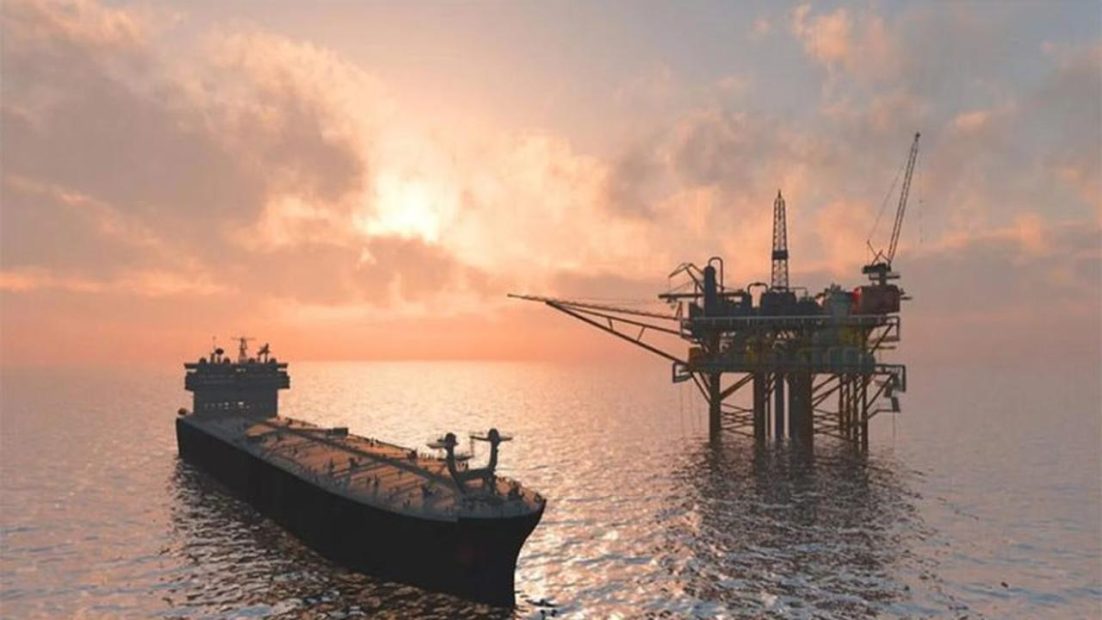
Global oil prices fell slightly on Tuesday as higher crude oil supplies from the Middle East and a decision by the G7 to release oil and diesel from emergency reserves eased concerns about a supply shortage. However, investors remain concerned about oil supplies and transportation from the Gulf region as Yemen’s Houthi rebels continue attacks on Saudi Arabia’s energy infrastructure and other key facilities.
At 12:03 am GMT on Tuesday, October 6, Brent crude fell 4 cents to $100.28 a barrel. US benchmark West Texas Intermediate (WTI) crude fell 11 cents, or 0.1%, to $89.33 a barrel. Brent had fallen about 1.9% and WTI about 1.8% the previous day.
One of the main factors easing market concerns was the G7 decision to release a large volume of fuel from emergency reserves. On Friday, G7 countries agreed to release around 100 million barrels of crude oil and diesel from their emergency reserves under a coordinated four-month initiative. The countries also pledged not to impose new restrictions on fuel exports. The prospect of increased supply has reduced immediate concerns about shortages.
Oil exports from the Middle East have also increased significantly in recent weeks. Shipping data showed that on four of the seven days in the final week of September, oil exports from the Middle East exceeded pre-war levels. This indicates that Gulf countries are trying to maintain oil shipments through alternative routes and additional security measures despite the conflict and security risks.
According to another Reuters analysis, crude oil, condensate and refined fuel exports from Gulf countries, excluding Iran, reached about 81% of pre-war levels in September. Saudi Arabia’s crude oil and condensate exports increased significantly in September compared with August. This shows the resilience of the regional supply system, although refined fuel supplies, particularly diesel, remain under pressure.
However, the oil market has not fully stabilised. Shipping through the Strait of Hormuz remains subject to security risks. As a result, higher oil supplies have not restored normal transportation conditions because of higher transport and insurance costs and the use of alternative shipping routes. Reuters reported that transportation and supply-chain challenges are becoming a bigger problem in the current market than the volume of oil supply itself.
Source: Reuters, Al Jazeera










