The Bangladesh government continues to make significant efforts to combat human trafficking: US
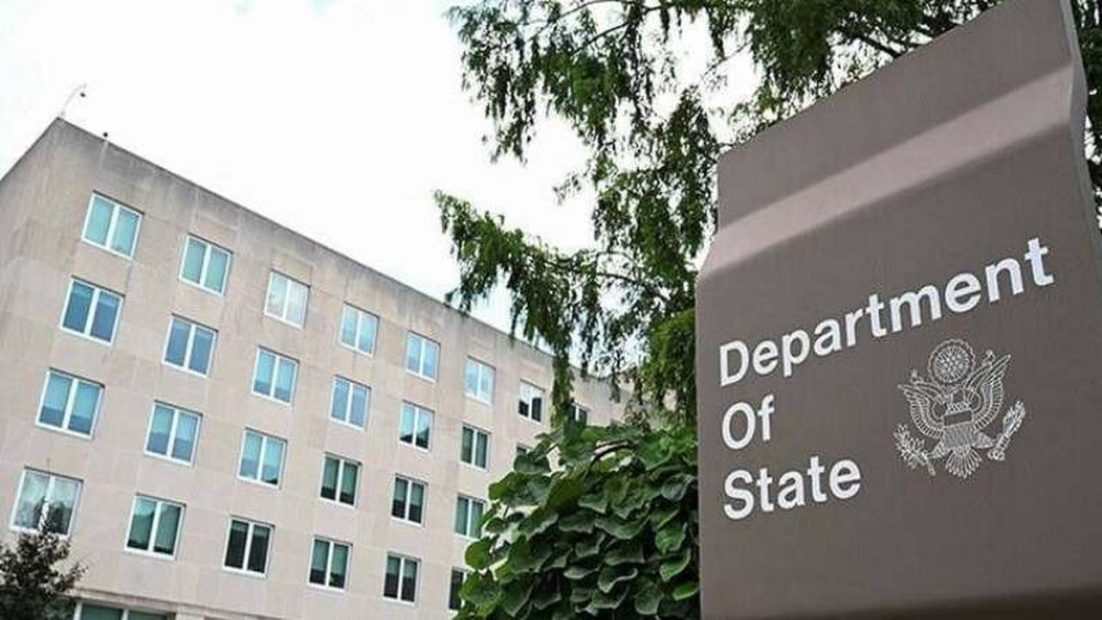
Bangladesh has not fully met the minimum standards for eliminating human trafficking, according to the latest annual report by the US Department of State. However, the report acknowledged that the Bangladesh government is making significant efforts to meet these standards.
The findings were published on the US Department of State’s website on Thursday (October 8) in the 2026 Trafficking in Persons Report. The report said Bangladesh had increased its overall efforts to combat human trafficking compared with the previous year. However, the country remained at Tier 2, the same level as before. Among Bangladesh’s neighbours, India, Pakistan, Bhutan and Sri Lanka were also placed in this category.
Under US law, countries that fully meet the minimum standards for combating human trafficking and make significant progress each year are placed in Tier 1. Countries that do not fully meet the standards but are making significant efforts to do so are placed in Tier 2. This category also includes a separate Tier 2 Watch List for countries requiring closer monitoring. Countries that fail to meet the minimum standards and do not make significant efforts to address the problem are placed in Tier 3.
The report highlighted several initiatives taken by the Bangladesh government, including efforts to strengthen the legal framework for combating human trafficking. To this end, the government passed the Human Trafficking and Migrant Smuggling Prevention and Suppression Ordinance, 2026.
The report also noted an increase in investigations and prosecutions of human trafficking cases. Guidelines for identifying trafficking-related crimes and victims have been updated. To ensure that victims receive assistance more quickly, the government has launched a pilot digital system to improve coordination among relevant agencies. It has also strengthened protections for migrant workers to reduce their risk of being trafficked.
However, the report identified several significant shortcomings. It said fewer human traffickers had been convicted than in the previous year. The government had not taken sufficient action to combat trafficking within the country, and the crime remained widespread. The number of identified victims had also declined compared with the previous year.
Measures to protect and rehabilitate victims remained inadequate, particularly for Rohingya refugees and migrant workers returning to Bangladesh. The report further noted that the government had failed to eliminate the practice of requiring migrant workers to pay recruitment fees out of their own pockets. As a result, many workers had fallen into debt, increasing their vulnerability to human trafficking.