US Sanctions ICC Shortly After Navi Pillay Wins Nobel Prize
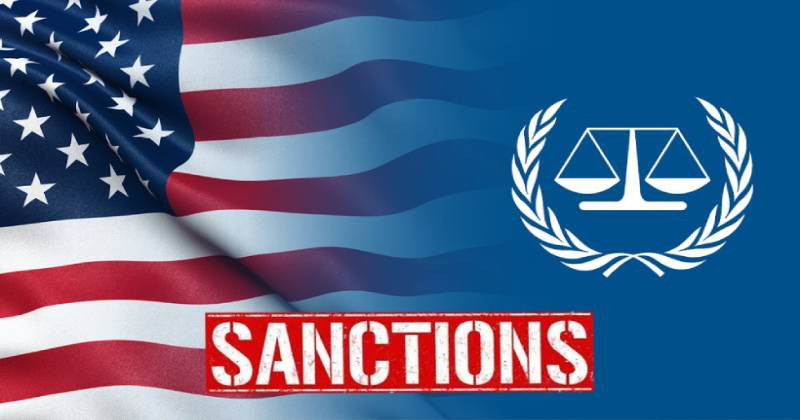
The administration of US President Mr. Donald Trump has imposed sanctions on the International Criminal Court (ICC). It did so within hours of the Nobel Peace Prize announcement. This step, taken the day before yesterday, raises fears that the diplomatic dispute between the US and its European allies will grow.
Ms. Navi Pillay, a South African legal expert and former ICC judge, won the Nobel Peace Prize the day before yesterday. She received it in recognition of her work in international criminal justice. Ms. Pillay served as a judge in the ICC Appeals Division from 2003 to 2008. The Trump administration has opposed the ICC for a long time.
Washington had earlier imposed sanctions on the court’s prosecutors and judges. This time, a special report by the news agency Reuters says the US may also punish institutions that serve the court. US Secretary of State Mr. Marco Rubio said in a statement, “President Trump will never let the International Criminal Court try American citizens.”
Mr. Rubio said, “This is why the United States is imposing sanctions on the ICC today. We will stop dealings with this rogue court. We will reduce its assets and its ability to run its work.” Reuters says the US has been angry for a long time about the ICC arrest warrants against Israeli Prime Minister Mr. Benjamin Netanyahu and other Israeli officials.
Washington also objected to a court investigation into the actions of US troops in Afghanistan. The ICC later closed that investigation. The court was set up in 2002 to try war crimes, crimes against humanity and genocide. It has 125 member states. All European Union (EU) countries are members. All NATO members except the US and Turkey are members too.
Many important US allies have also kept showing support for the ICC. The court’s headquarters is in the Netherlands, which is a member of the EU and NATO. Mr. Rubio also said, “We delayed the sanctions to give the ICC and its member states a chance to ease US concerns. But they failed to use that chance.”
Mr. Rubio said the US has asked its allies to take steps to bring this court under control. He said clearly, “Either the ICC must stop its threats, or we will shut down the ICC’s work.” The US has not published the details of the sanctions. However, a senior US State Department official told Reuters that the US Treasury will issue some licenses to protect US interests. These licenses may give temporary relief for some activities under the sanctions.
US sanctions usually stop American institutions from working with the target organisation. They carry the risk of closed bank accounts, withdrawn insurance services and an end to software support. The ICC has been preparing for the sanctions for the last few months. It has moved to use open source software instead of Microsoft software. It has also arranged other options for banking and health insurance.
Court Registrar Mr. Osvaldo Zavala Giler has urged the European Union to get ready to start a “blocking mechanism.” This would protect member states from the effects of the sanctions outside US borders. The Nobel Committee spoke when it announced the prize. It said the prize is an important reminder at a time when judges and institutions of international law face political attacks. The committee said holding war criminals to account and ensuring justice for victims of torture are preconditions for a peaceful world.