
Emergency Imposed and Governor’s Rule Enforced in Khyber Pakhtunkhwa
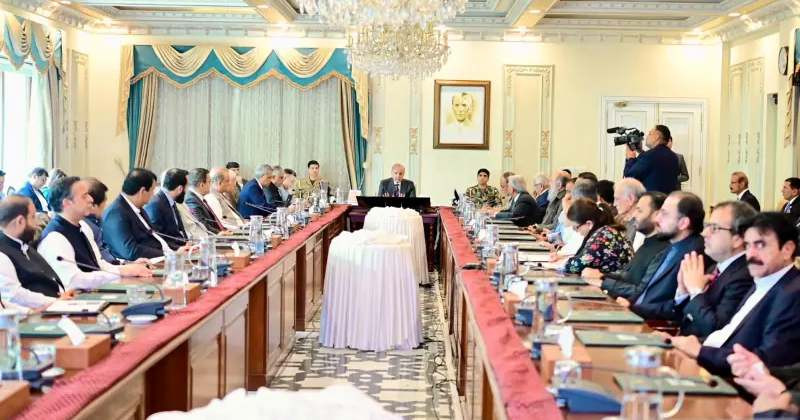
In a dramatic escalation of political turmoil and security challenges, Governor’s Rule has been officially imposed in Pakistan’s Khyber Pakhtunkhwa province under Article 234 of the Constitution. Following recommendations from the federal cabinet led by Prime Minister Shehbaz Sharif, President Asif Ali Zardari signed the decree, effectively suspending the executive authority of the provincial government led by Pakistan Tehreek-e-Insaf and placing full administrative control directly into federal hands.
The federal administration defended the drastic constitutional step as an inevitable measure to resolve a severe constitutional deadlock, restore law and order, and safeguard national security. Federal authorities accused the regional government of misusing state resources to orchestrate political violence and sabotage federal infrastructure. Islamabad further highlighted critical security lapses, including the resurging threat of the banned Tehreek-e-Taliban Pakistan and the deliberate incapacitation of the regional Counter-Terrorism Department.
Under the presidential directive, normal proceedings of the provincial assembly remain suspended while executive powers are fully vested in the Governor. To reinforce stability across the border region, security apparatuses, including the police and paramilitary Rangers, have been granted expanded operational authority and deployed extensively. Federal officials emphasized that direct intervention was paramount to ensure public safety, rehabilitate governance mechanisms, and neutralize growing militant threats effectively.
Denouncing the central intervention, Pakistan Tehreek-e-Insaf leadership strongly condemned the action as unconstitutional, authoritarian, and a blatant theft of the public’s democratic mandate. Top party representatives maintained that the elected administration was unlawfully ousted solely to suppress Imran Khan’s political movement and enforce central hegemony. Political analysts caution that direct federal control in this sensitive territory could further heighten domestic political volatility and worsen overall security dynamics.
Source: Dawn Online










