Zahurul Islam: A Unique Figure in Industry and Public Welfare
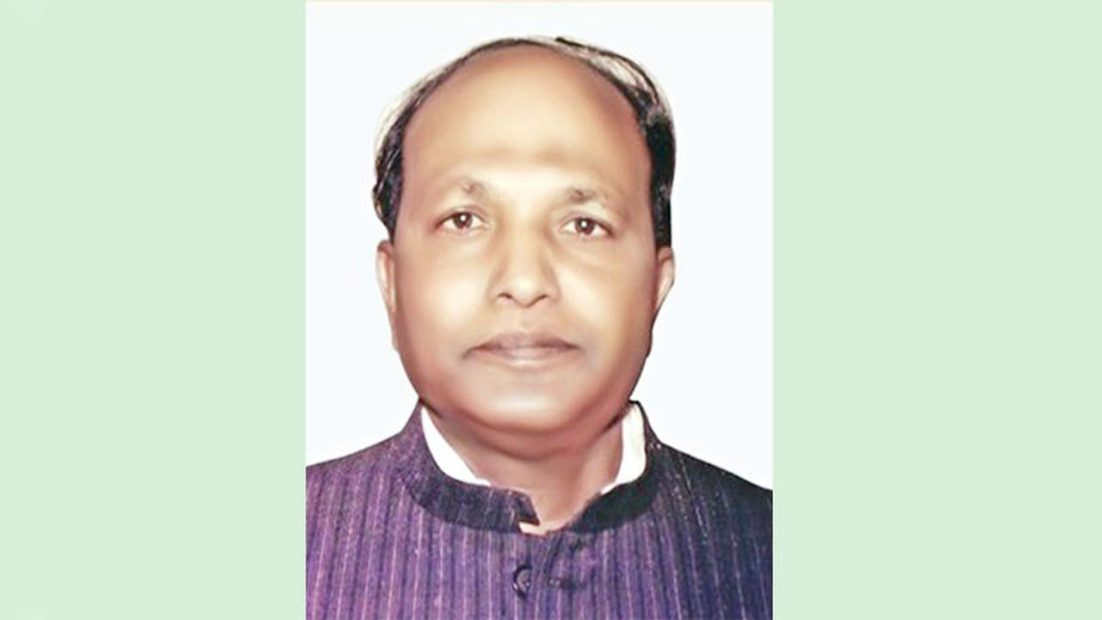
Zahurul Islam was a determined, humble, kind-hearted, hardworking, religious and self-effacing man. His life remains a source of inspiration for ordinary people and successful individuals in various fields. The founding chairman of Islam Group of Industries, Alhaj Zahurul Islam was born on August 1, 1928, in Bhagalpur village of Bajitpur upazila in Kishoreganj. His father was Alhaj Aftab Uddin Ahmed and his mother was Begum Rahima.
After passing matriculation from Ripon School in Kolkata, he studied at college for some time. In 1948, he joined the Public Works Department of then East Pakistan as a government employee on a modest salary. However, he left the job to pursue greater opportunities in business. In 1951, he established Bengal Development Corporation, the first company of Islam Group. He later established several industrial and commercial enterprises. His decision to leave a secure job and rely on his own abilities and hard work laid the foundation for his success.
Zahurul Islam created employment opportunities for many people at home and abroad. In 1975, he undertook various contracting projects in the Middle East, creating opportunities for Bangladeshi workers and raising the country’s profile. He established Eastern Banking Corporation, the first private bank in then East Pakistan. He was also the founder of IFIC Bank, one of Bangladesh’s leading private financial institutions.
Through his efforts, at least three dozen industrial units and enterprises were established under Islam Group over the past five decades. These covered construction, mechanical engineering, land and housing, jute and jute products, automobile assembly, pharmaceuticals, banking, poultry, dairy and fisheries. Creating jobs was one of his main objectives. Through new ventures and large projects, he linked industrial development with employment opportunities.
Beyond business, he generously supported education, religious institutions and public welfare. Institutions he established or supported in Dhaka and Bajitpur include Begum Rahima Adarsha High Girls’ School and Purana Paltan Mosque in Purana Paltan; Majedul Islam Model High School, Pallabi Orphanage and Madrasa in Pallabi; and Aftab Uddin High School, Begum Rahima Girls’ High School, Hafez Abdur Razzak High School, Razzakunnessa Girls’ High School, Nazirul Islam Collegiate School, Sararchar Shibnath High School and Bajitpur Degree College in Bajitpur.
He dreamed of transforming Bajitpur into an ‘Education City’ and a ‘Health City’. During the final years of his life, he frequently visited Bajitpur and held discussions with teachers and academics from the University of Dhaka and local dignitaries. These efforts led to the establishment of Zahurul Islam Education Complex in 1991. He considered improving education in his home area a social responsibility.
The Zahurul Islam Medical College and Hospital and the Zahurul Islam Nurses Training Institute in Bhagalpur are among his major achievements. To expand private medical education and healthcare, he took the initiative to establish a hospital alongside the medical college. Equipped with modern facilities, the hospital has served people in Kishoreganj and other districts across the haor region. Students from different parts of Bangladesh and abroad also come to study there. Establishing these institutions in a remote area reflected his foresight and commitment to public welfare. They provide medical students with practical training and healthcare services to the general public.
He was always concerned about creating jobs for unemployed people. More than 100,000 people work at Islam Group’s enterprises at home and abroad. His poultry expansion projects led to the establishment of hundreds of poultry farms, helping many young people and their families become self-reliant.
He also helped orphans, fathers struggling to meet their daughters’ marriage expenses, elderly people in need and poor students. Most of his donations were made privately. Alongside providing financial assistance to mosques, he sponsored Hajj pilgrimages for many Islamic scholars. In 1971, he contributed to the Liberation War by regularly providing financial assistance to the Bangladesh Mission in London under the pseudonym ‘Subed Ali’. Former diplomat Mohiuddin Ahmed has detailed his contributions in his writings.
Zahurul Islam exemplified how hard work, perseverance and dedication could bring success while contributing to national development. He died at a hospital in Singapore on October 19, 1995, leaving behind his wife, four daughters, his only son Manzurul Islam, relatives and well-wishers. He was later buried on the campus of Zahurul Islam Medical College and Hospital in his native village of Bhagalpur.
His contributions to industry, employment, education, healthcare and public welfare earned him a lasting place in people’s hearts. On the 31st anniversary of his death, we remember him with profound respect.
The writer is a journalist with Daily Inqilab in Bajitpur, Kishoreganj.