
Saima Wazed Provided False Information in CV to Secure WHO Job, ACC Says
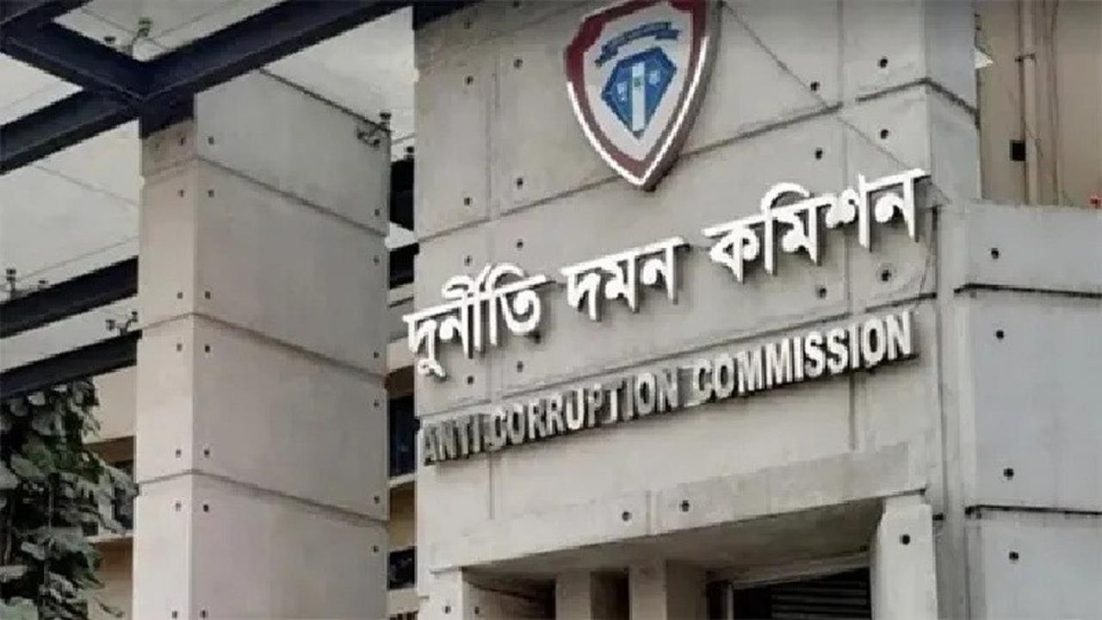
Saima Wazed Putul, daughter of former Prime Minister Sheikh Hasina, provided false information in her CV to secure a position at the World Health Organization (WHO), Anti-Corruption Commission (ACC) Secretary Saidur Rahman Khan has said.
He disclosed the information at a press conference on Sunday.
Saidur Rahman Khan said the ACC filed a case against Saima Wazed on March 20 last year over alleged false information in the CV she submitted to secure appointment as WHO Regional Director for South-East Asia.
He said that, following the filing of the case, investigators reviewed the investigation report and examined Saima Wazed’s role as chairperson of the Suchona Foundation, which was registered with the Department of Social Services under the foundation’s name through her role as its agent.
Mr. Khan said Saima Wazed submitted her CV while serving as chairperson of the National Advisory Committee on Autism and Neurodevelopmental Disorders and the Suchona Foundation.
According to the ACC secretary, she allegedly included false and fabricated information in her CV, claiming to have worked as an honorary specialist expert at Bangabandhu Sheikh Mujib Medical University Hospital, now known as Bangladesh Medical University, to obtain the WHO regional director position.
He alleged that these actions amounted to criminal misconduct through abuse of power and damage to the country’s reputation.
Mr. Khan further alleged that she exerted pressure to have the documents submitted to the WHO headquarters in Geneva through Bangladesh’s Permanent Mission to the United Nations and other international organisations, without opening a file through the Ministry of Foreign Affairs or allowing the information to be properly verified.
He said she secured the WHO regional director position using that information.
The ACC has approved the filing of a charge sheet, stating that the alleged activities constitute offences punishable under Sections 409, 420, 468 and 471 of the Penal Code, as well as Section 5 of the Prevention of Corruption Act, 1947.










