
Saudi Executions of Bangladeshis: Social Media Claims Spread Deliberate Falsehoods
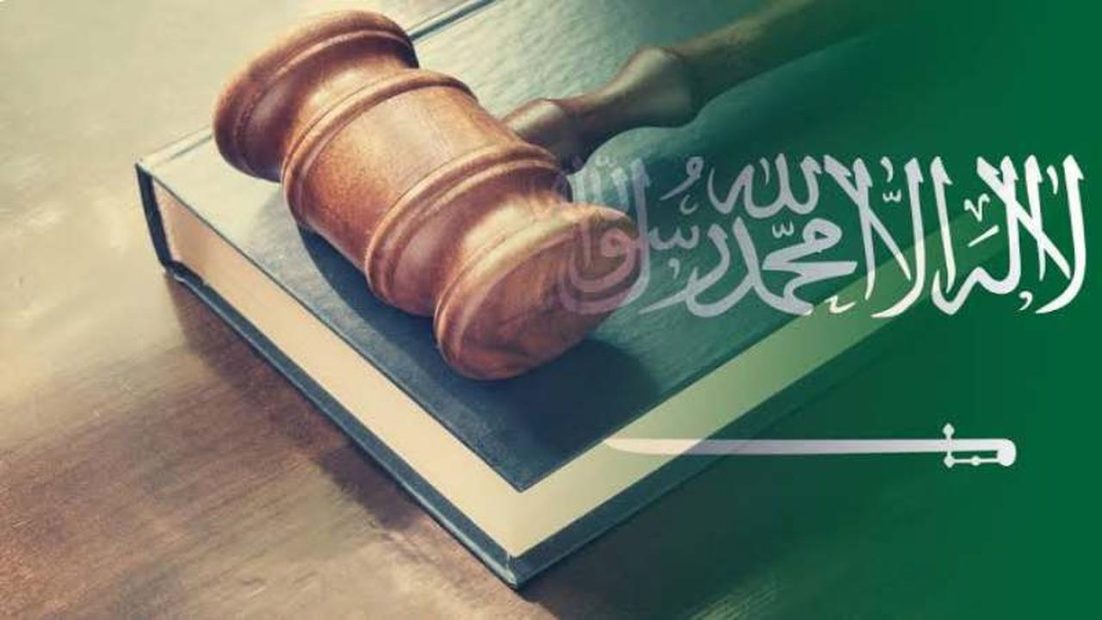
Claims circulating on social media about the execution of two Bangladeshis in Saudi Arabia have been described as deliberate misinformation spread in the name of freedom of expression. According to several sources, neither was an Umrah pilgrim. Both reportedly worked as cleaners at the Grand Mosque in Makkah and were allegedly involved in an illicit sexual act in a secluded area near the King Fahd Gate.
The sources claimed that the incident was not merely a case of kissing, as some media reports suggested, but an alleged sexual act inside the mosque. They also alleged that spreading unverified information could mislead the public and damage relations between the two countries.
The executed man was identified as Nazrul Islam Abdul Basir, while the woman was identified as Sithi Akter. The incident reportedly took place in 2023. According to claims circulating online, another colleague recorded the incident after being asked to keep watch. The video later came to the attention of the authorities following a dispute among those involved. The person who recorded it is also reportedly in jail. These details have not been confirmed in the Saudi authorities’ public announcement.
On October 14, Saudi Arabia announced the execution of the two Bangladeshis. According to the Saudi Interior Ministry, they had been convicted of engaging in “immoral acts” inside a mosque. The court imposed the death penalty under ta’zir, a category of Islamic jurisprudence that allows judicial discretion in determining punishment for certain offences. Higher authorities upheld the verdict before it was carried out by royal order.
However, the official announcement did not specify the exact nature of the alleged acts or provide details of the judicial proceedings.
The executions have sparked debate over the sanctity of religious sites, judicial accountability, consular assistance and media responsibility. Although Saudi Arabia places great importance on protecting mosques, assessing the legal basis for a particular punishment requires access to the relevant judgment and applicable laws. Without these documents, it is not possible to independently determine the facts established by the court or evaluate the application of ta’zir in this case.
A social media post attributed to Abdur Rakib Madani, a preacher associated with the Taif Dawah Centre in Saudi Arabia, claims that the two worked for the Bin Laden Group, that a third person recorded the incident and that the case dates back to 2023. Other claims concern the alleged conduct of another individual and the punishment imposed on him. These details have not been independently verified.
The Bangladesh government has sought information from Saudi Arabia about the charges, judicial proceedings and circumstances surrounding the executions.
On October 17, Foreign Affairs State Minister Shama Obaed Islam said Bangladesh had not been informed in advance and had formally requested information from the Saudi government. On October 18, Bangladeshi officials raised the matter with Saudi Ambassador to Bangladesh Dr Abdullah Zafar bin Abiyah.
On October 19, Shama Obaed Islam said Bangladesh was seeking copies of the court judgments. She urged the public not to reach conclusions based on Facebook posts or spread misleading information, adding that the government would review the matter after receiving the necessary documents.
According to media reports published on October 19 and 20, Nazrul Islam’s family said they had learned of his execution through news reports. The absence of publicly available case documents makes it essential to distinguish between official statements, the government’s request for clarification, the families’ concerns and unverified social media claims.
Saudi Arabia is a major destination for Bangladeshi migrant workers and an important source of remittances. Around three million Bangladeshis live and work there, making cooperation on labour migration, consular protection and workers’ welfare vital to both countries.
The controversy should not undermine bilateral relations or be used to disparage Saudi citizens or Bangladeshi migrant workers. At the same time, the importance of these relations should not prevent legitimate questions about judicial proceedings and consular communication from being raised through diplomatic channels.
The incident also highlights the importance of responsible journalism. Sensational allegations and unverified claims can mislead the public, particularly when religious sensitivities and human lives are involved. A credible assessment requires the court judgments, reliable evidence, a clear explanation of the legal basis for the punishment and information about the legal safeguards available to the accused.
Until the relevant documents become available, claims about the precise circumstances of the case and the grounds for the punishment should be treated with caution. Dhaka and Riyadh can use the situation to strengthen communication over criminal proceedings involving foreign nationals and improve consular coordination.
Religious scholars’ views
Mufti Abdullah Firozi, senior muhaddith at Jamia Siddiqia Jadur Char Madrasa in Savar, described zina (illicit sexual intercourse) as a grave sin in Islam. Citing the Quran and Hadith, he said Islam prohibits such acts.
Mr. Firozi claimed that the two Bangladeshis had engaged in an illicit act in a room near the rooftop staircase between Gates 85 and 87 of the Grand Mosque. He said they were arrested in 2023 and, according to the information available to him, were neither married nor Umrah pilgrims.
He noted that Islamic law prescribes 100 lashes for unmarried individuals convicted of fornication but argued that the death penalty under ta’zir was justified because the alleged offence took place at a sacred site. He also warned that public criticism of Saudi Arabia could affect employment opportunities for Bangladeshis and urged people not to spread unverified claims.
Mr. Abu Yusuf, chairman of Ababil Hajj Group, told Daily Inqilab that the two Bangladeshis had committed a serious offence by violating the sanctity of the Grand Mosque. He said they were arrested in 2023 and that the Saudi court had examined the case over the following three years.
Mr. Yusuf maintained that the court had considered both the alleged sexual offence and the violation of the holy site’s sanctity before ordering their execution by beheading. He rejected allegations of injustice and urged the public not to circulate unverified accounts, including claims that the two were Umrah pilgrims or had merely kissed.










