
Rise of Political Opportunists, Party Hybrids Sidelines BNP Activists Who Sacrificed on the Streets
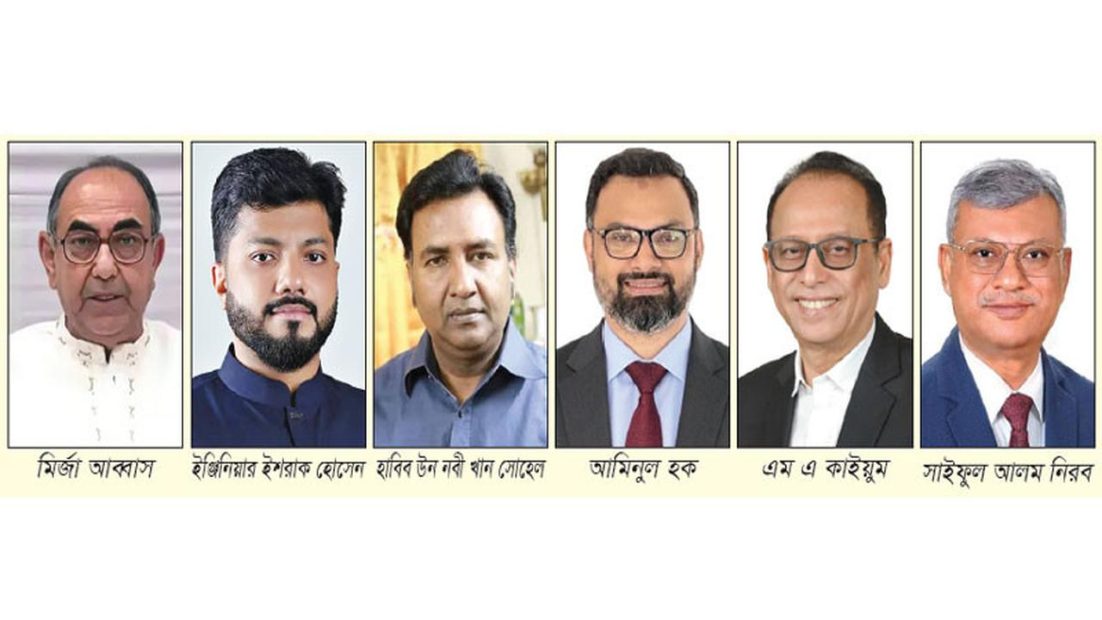
After more than 15 years of anti-Awami League movements, police tear gas, indiscriminate firing, cases and imprisonment, many BNP leaders and activists who stood firm on the streets are now feeling sidelined despite the party coming to power.
While Prime Minister Tarique Rahman is working to revive the economy, ensure good governance and establish accountability, long-time party activists who endured years of repression are allegedly being targeted through propaganda and political framing. Meanwhile, opportunists, former bureaucrats and hybrid politicians are gaining influence in government, leaving dedicated leaders out of key positions.
Even the few long-time activists who have secured positions in government reportedly feel marginalised. BNP leaders allege that opportunists and opposition groups, including Jamaat-e-Islami and the National Citizen Party (NCP), are working with domestic and foreign groups, online bot networks and sections of the media to discredit selected leaders and pressure the government to distance itself from them.
Influential BNP figures in Dhaka have successively faced controversy, with former State Minister for Liberation War Affairs Engineer Ishraque Hossain being the latest example. Frustrated activists say such incidents are discouraging grassroots workers and weakening the party.
BNP Standing Committee member Gayeshwar Chandra Roy, MP, acknowledged the problem, saying the party had failed to do enough for those who had sacrificed during years of political movements. The entry of opportunists had further disappointed long-time activists, he said.
“This frustration is causing many to drift away, and resentment is growing. We are responsible for this. We must increase our communication with party leaders and activists. This will benefit both the party and the country,” he said.
During the Dhaka University Central Students’ Union (DUCSU) election, rival candidates allegedly spread propaganda against Bangladesh Jatiyatabadi Chhatra Dal candidates, portraying the organisation as similar to the banned Bangladesh Chhatra League. Before the 13th parliamentary election, the BNP was also portrayed as a party of extortionists and land grabbers, although the party took organisational action in response to allegations in several cases.
BNP leaders allege that a campaign targeting influential figures in Dhaka began after August 2024. They cite former Dhaka North leader Saiful Alam Nirob, Standing Committee member Mirza Abbas, Dhaka South leader Tanvir Ahmed Robin, Dhaka North leader Aminul Haque, MA Kaiyum and, most recently, Ishraque Hossain.
They fear the campaigns could be used to discredit the leaders and demobilise grassroots activists ahead of the upcoming local government elections.
Opportunists Gain Influence in Government
During the past 15 years, grassroots activists endured imprisonment, attacks, legal cases, family losses and permanent disabilities to keep the party alive. They expected recognition in government and policymaking after the political changeover. Instead, they allege, individuals who played little role during the movement or remained abroad during difficult times quickly gained influence.
A BNP leader from Rajshahi said activists who had endured years of imprisonment, attacks and legal cases were disappointed to find people in influential positions whom they had never seen on the streets during the party’s difficult years.
A Dhaka South BNP leader questioned how others could expect recognition when the party had failed to properly value leaders such as Mirza Abbas, Gayeshwar Chandra Roy, Habib-un-Nabi Khan Sohel and Syed Moazzem Hossain Alal.
Several BNP leaders described the alleged framing of dedicated activists as a deliberate effort to undermine popular figures with strong grassroots support. They claimed that unsubstantiated allegations of extortion, tender manipulation and land grabbing were being circulated on Facebook, YouTube and other platforms, sometimes prompting action without adequate verification.
Ishraque Hossain at the Centre of Controversy
Ishraque Hossain, son of late Dhaka mayor Sadek Hossain Khoka, led activists during key phases of the anti-authoritarian movement, facing arrest and remand while remaining politically active.
When the BNP government adopted a zero-tolerance policy against drugs, Ishraque took action against suspected drug dealers. However, his methods sparked controversy, and critics focused on reports that he had run with a pistol. The report alleges that the controversy overshadowed his stated objective and ultimately led to his resignation.
Islamic speaker and Jainpuri Darbar Sharif Pir Mufti Dr Enayetullah Abbasi said Ishraque’s objective in fighting drugs was legitimate, although his methods were wrong. He also criticised the government for refusing to take responsibility for the controversy.
He alleged that the media had focused on Ishraque running with a pistol rather than his attempt to dismantle drug syndicates. Daily Jaban Editor Rezaul Karim Rony also accused some media outlets of spreading rumours and framing Ishraque, diverting attention from the main issue.
BNP leaders argue that the treatment of Ishraque reflects a wider pattern in which popular leaders are publicly discredited while alleged irregularities involving influential figures go unchallenged. They say the perceived double standard has fuelled anger among grassroots activists.
However, Dr Mahdi Amin, an adviser to the prime minister and spokesperson for the Prime Minister’s Office, said the incident need not mark the end of Ishraque’s political journey.
In a social media post, Mahdi Amin described Ishraque as a fearless participant in the anti-authoritarian movement and the July Mass Uprising. He acknowledged that questions could arise over Ishraque’s methods but said his objective and commitment to public welfare should not be dismissed.
He added that neither his former ministerial position nor his resignation could define Ishraque’s political identity or sacrifices. Mahdi Amin also said the government was committed to accountability at every level, including when initiatives by popular leaders sparked controversy.
BNP Acting Secretary General Ruhul Kabir Rizvi said a section of people had been spreading propaganda against the government since it began taking decisions for public welfare. Prime Minister Tarique Rahman wanted to ensure accountability in every sphere, he added, whether within the party or the government.










