
Declared ‘Dead’, Alive Indian Citizens Fight for Voter Status
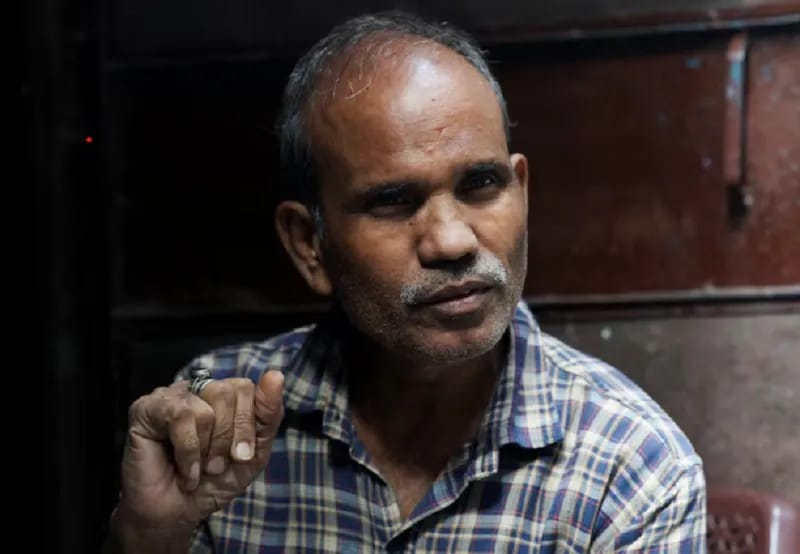
The severe mismanagement surrounding the revision of voter lists and the Special Intensive Revision (SIR) drive has emerged as a stark irony confronting the core structure of India’s democracy. Despite being physically healthy and very much alive, thousands of ordinary Indian citizens have been stripped of their voting rights simply because election records have classified them as dead. Consequently, these disenfranchised voters are forced into an agonising and unequal legal struggle, moving from one government office to another to prove their existence and survival.
Recent investigative reports reveal that, in the Election Commission’s rushed attempt to eliminate duplicate and fake entries, thousands of legitimate citizens are being marked as deceased without proper on-the-ground or impartial verification. Citizens often discover that they are officially dead in state records only at the polling booths, right as they reach out to cast their vote on the EVMs or ballots.
A vast majority of those affected belong to marginalised communities, Dalits, and Muslim minorities. Once their names are removed, reinstating them requires navigating an intricate web of bureaucratic red tape. Obtaining a life certificate from the local Block Development Office (BDO) or Tehsildar, drafting affidavits, and enduring lengthy application delays take years, yet their right to vote remains unrestored. There are also growing allegations against local-level Booth Level Officers (BLOs) for politically motivated omissions targeting opposition supporters.
The opposition alliance ‘INDIA’ and various civil rights platforms have termed this situation a well-planned digital and administrative voter suppression. In a recent petition filed by the opposition against the Chief Election Commissioner in the Supreme Court, this mass deletion of names was highlighted as primary evidence. According to experts, forcing living citizens to prove their existence to claim their basic voting rights severely exposes the institutional degradation of the electoral system in a country that claims to be the world’s largest democracy.
Source: Reuters.










