
Severe Food Crisis in Gaza Leaves Children at Risk Amid Soaring Prices and Aid Cuts
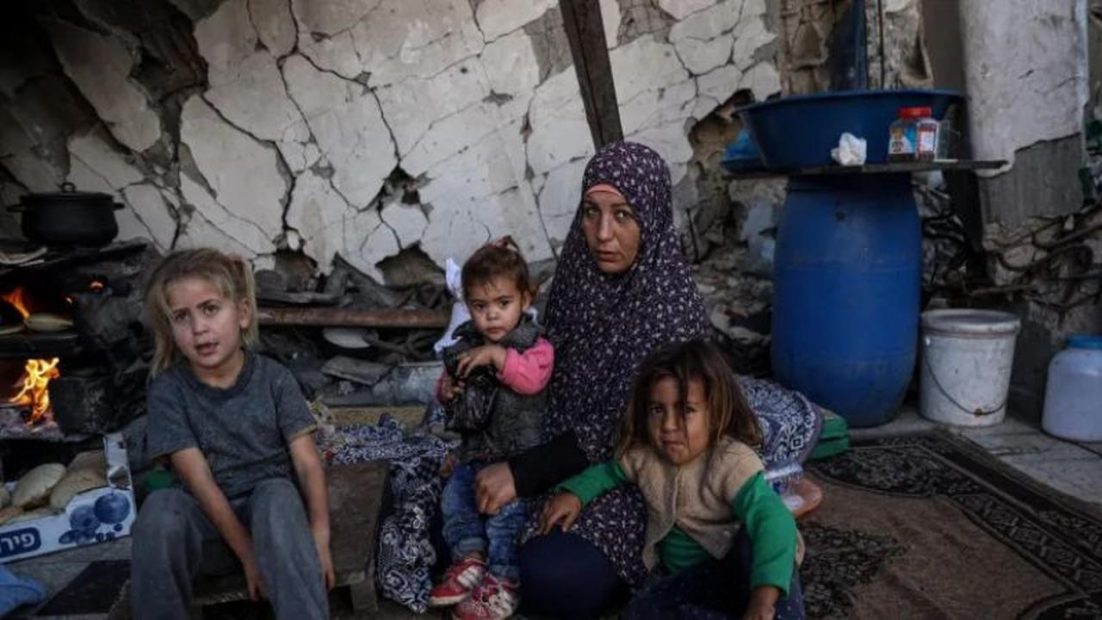
The humanitarian crisis in the besieged Gaza Strip has reached a critical level due to the devastating impact of war and a prolonged blockade. New Israeli restrictions on commercial imports and reduced aid from international organizations have pushed children in Gaza into a severe food crisis, raising concerns about malnutrition. Many families are now struggling to survive, with some forced to feed their children only bread and tea.
According to a report by Al Jazeera, Palestinians, including children, are facing a daily struggle to survive. Huda Abuleila, 30, who lives in a tent in Gaza City, said she could not provide nutritious food for her five daughters, aged between 18 months and 10 years, because of soaring prices and shortages in local markets. Her husband was injured in the war and is no longer able to work. Huda earns a small income by making bread in other people’s homes to support her family. “Eggs and milk are extremely expensive, and we cannot afford to buy them. Some days, I give the children only bread dipped in tea for breakfast,” she said.
Commercial Imports and Aid Supplies Disrupted
The situation deteriorated sharply in mid-October after Israel tightened restrictions on commercial shipments entering Gaza. Although the resumption of limited commercial imports was announced from October 19, prices in local markets remain beyond the reach of many families.
A tray of eggs has reportedly cost as much as 60 shekels ($19.40). Essential items such as onions and tomatoes have also become expensive, with prices reaching around $3 to $5 per kilogram. Meanwhile, the United Nations World Food Programme (WFP) has said it was forced to reduce food assistance in Gaza because of funding shortages. The number of people receiving assistance fell from 1.6 million in September to 1.1 million in October. The amount of food allocated to each family has also been cut by half.
Children Face Growing Risk of Malnutrition
Children’s health is deteriorating rapidly because of inadequate nutrition. Doctors say prolonged shortages of protein and balanced meals are causing dizziness, extreme fatigue and other complications associated with malnutrition.
According to the United Nations Office for the Coordination of Humanitarian Affairs (OCHA), more than 2,500 children were admitted for malnutrition treatment in September alone, including children suffering from acute malnutrition.
Dr Mohammed Al-Rai, a paediatrician and nutritionist in Gaza, warned that the number of malnourished children could rise significantly if the blockade and food crisis continue. He also cautioned that the crisis could have long-term consequences for future generations in Gaza.










