Global Hunger Index 2026: How Bangladesh Outperforms India and Pakistan
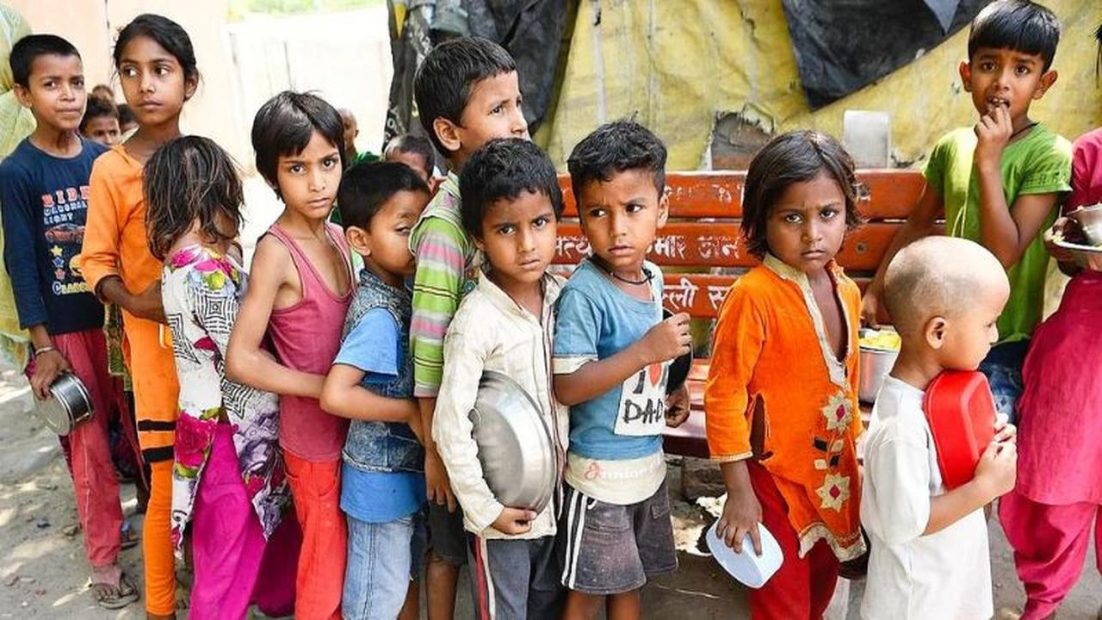
Bangladesh has maintained steady progress in tackling hunger and malnutrition in South Asia, achieving internationally recognised gains and outperforming neighbouring India and Pakistan.
This picture emerges from the recently published Global Hunger Index 2026, jointly produced by Germany-based Welthungerhilfe, Swiss international aid organisation Helvetas and the Institute for International Law of Ruhr University Bochum in Germany.
South Asia: Where Do the Countries Stand?
According to the report, Bangladesh, India and Nepal have made consistent efforts to combat hunger since 2000, while Pakistan has followed a worsening trajectory.
Bangladesh ranks 84th among 122 countries, with a hunger score of 19.2, indicating a moderate level of hunger. India ranks 100th, scoring 24.1, which indicates a serious hunger situation. Pakistan ranks 106th with a score of 25.5, reflecting the severity of its hunger and malnutrition crisis. Pakistan’s score stood at 24.0 in 2018.
Although Sri Lanka and Nepal perform better than Bangladesh, the country remains clearly ahead of the two regional powers, India and Pakistan.
What Is Behind Bangladesh’s Progress?
Experts and economic analysts attribute Bangladesh’s progress in reducing hunger largely to social transformation and women’s empowerment.
Javed Hassan, a London-based financial analyst, told international media outlet Nikkei Asia that Bangladesh’s ready-made garment (RMG) sector has created employment opportunities for millions of women. Alongside this, community health worker networks, major improvements in sanitation and expanded access to education for girls have played transformative roles in reducing hunger.
Niaz Murtaza, an Islamabad-based independent economist, also acknowledged that women’s active participation in economic and social activities has helped Bangladesh make greater progress in tackling hunger than other South Asian countries.
Why Is Pakistan’s Situation Deteriorating?
Pakistan’s food security crisis is intensifying due to sharp increases in food prices, high rates of child malnutrition, limited employment opportunities for women, inadequate spending on healthcare and education, and recurring climate-related disasters.
Several conflict-affected countries, including Afghanistan, Sierra Leone and Syria, rank below Pakistan in the index.